Advancements in Fenton Process for Wastewater Treatment
open
Introduction
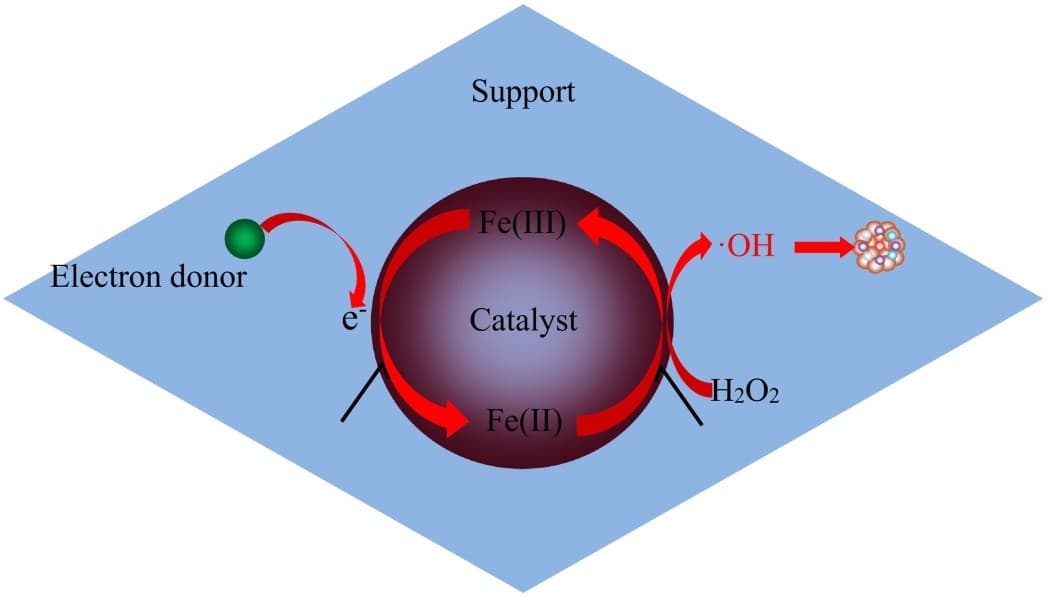
H.J.H. Fenton identified Fenton oxidation in 1894. The Fenton process' oxidation process has been investigated for about 90 years. According to studies, the Fenton process involves upwards of 20 chemical reactions, with the core reaction being the most well-known. Fenton's reagent is a hydrogen peroxide (H2O2) solution containing ferrous iron (usually iron (II) sulphate, FeSO4) as a catalyst for oxidizing pollutants or effluent fluids. Organic substances including tetrachloroethylene (TCE) and trichloroethylene (TCE) can be destroyed using Fenton's reagent. Most persistent organic contaminants can be promptly and non-selectively degraded to carbon dioxide and water by the extremely oxidative hydroxyl radical (*OH) produced by the interaction of H2O2 with Fe2+ in strong acid. The Fenton process' oxidation mechanism is depicted below. The Fenton method involves three major flaws:
- a narrow pH range
- high costs and risks connected with handling, transportation, and preservation of reagents
- large iron sludge-related secondary pollution
Processes of Single Fenton Optimization
1. Heterogeneous Fenton Method
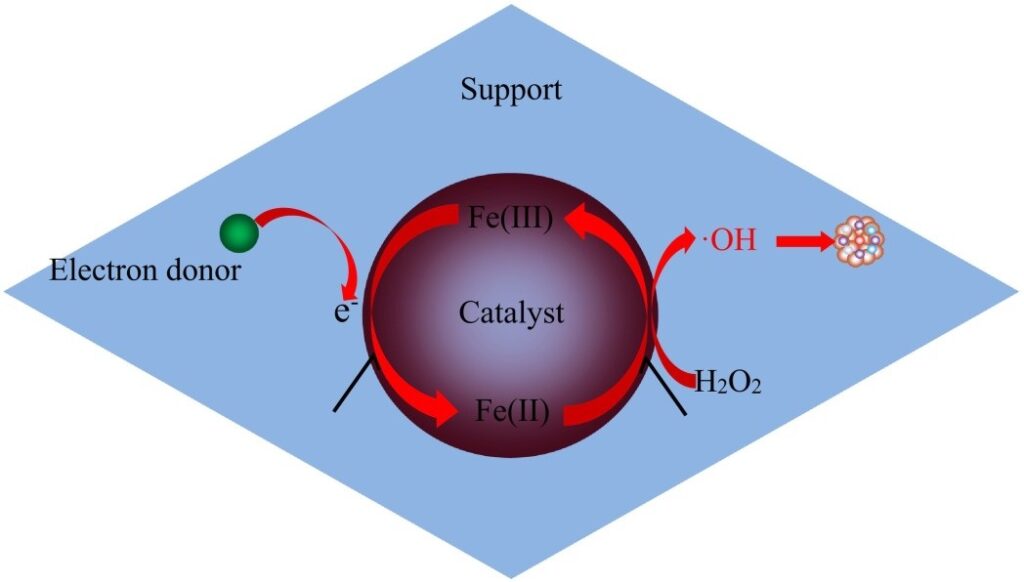
The heterogeneous Fenton method has been extensively explored in order to solve the shortcomings of the standard Fenton process, which is restricted to a narrow operating pH range and creates a massive portion of iron sludge. In the heterogeneous Fenton system, catalyst Fe2+ is modified by a solid catalyst comprising catalytic active elements, allowing Fenton catalytic reaction to happen at the active site here on surface of solids catalyst, attempting to prevent iron ions from broadening the operating pH range, leaching, and lowering iron sludge production. The findings reveal that iron ions leaking with in heterogeneous Fenton system is exceedingly low, with levels far below the permissible limit of 2 mg/L set by European Union directives. The following are the key factors:- The hydrothermal approach as well as other configuration parameters is used to immobilize iron entities with catalytic activity on various substrates like zeolite, graphene, clay, and activated carbon. The protective actions of supporting prohibit iron species from becoming immersed in the solution, reducing iron species loss.
- The heterogeneous Fenton catalyst's composition and structure enable electron transport from of the electron donor to Fe3+, speeding the decrease of Fe3+ to Fe2+, and ensuring effective Fe3+ and Fe2+ cycling upon that heterogeneous Fenton catalyst.
2. Photo-Fenton technique
Because of the low iron concentrated sludge, the Photo-Fenton process has received a lot of attention to the reduction of recalcitrant organic contaminants. The use of ultraviolet and visible light in conjunction with the traditional Fenton process can improve catalyst functional capacity, enhance organic pollutant degradation rate, and reduce iron sludge generation. The goal of the photo-Fenton method is to use visible light to expedite the decrease of Fe3+ to Fe2+. At pH 2.8–3.5, Fe2+ interacts quickly with H2O2 to produce Fe3+, which is mostly found as [Fe(OH)]2+. [Fe(OH)]2+ experiences metal charge transport stimulation when exposed to light, regenerating Fe2+, which catalyses the disintegration of H2O2 and produces extra radical *OH, which destroys organic contaminants. Furthermore, immediate photolysis of H2O2 generates the radical dot OH, which can be employed to degrade organic contaminants.
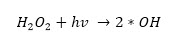 As a result of the synergistic catalytic actions of Fe2+ and light, more radical *OH can be produced, increasing oxidation effectiveness in the photo-Fenton method.
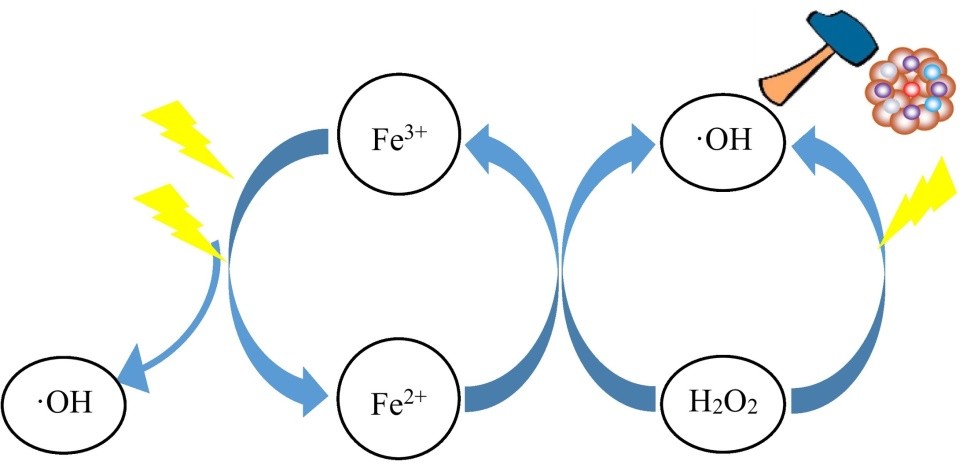 The photo-Fenton process relies on a light irradiation mechanism that has a considerable effect on the rate of organic pollutant destruction. According to research published in the literature, UV light and sunshine is the most conventional light supplies in the photo-Fenton reaction.
3. The Electro-Fenton method
The Electro-Fenton process was created to address the drawbacks of the traditional Fenton process, such as the formation of iron sludge as well as the significant expense involved and risk with reagent management, transport, and storing. Because of its features such as adaptability, lots of energy economy, automated capability, and environmental friendliness, electrochemistry can significantly improve the traditional Fenton process. As a result, the electro-Fenton method is created by combining the traditional Fenton process with electrochemistry. The basic idea is that H2O2 is produced in situ by electrochemically reducing O2 upon that cathode, avoiding the expenses and risks of processing, transport, and keeping H2O2. As well as the Fe3+ produced by the Fenton reaction is converted to Fe2+ upon that cathode, allowing for Fe2+ regeneration and a reduction in iron activated sludge. The electro-Fenton process is divided into four categories based on the addition or creation of Fenton reagents:- cathode electro-Fenton process
- sacrificial anode electro-Fenton process
- Fe2+ cycling electro-Fenton process
- Fe2+ cycling electro-Fenton process
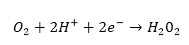 This can save money and time by avoiding the expenses and risks of storing, transporting, and storing H2O2. H2O2 is supplied independently to the EF-Feox process, whereas Fe2+ is electro-generated via a sacrificial anode. This can eliminate necessity of Fe2+
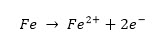 The EF-Feox method, on the other hand, has significant drawbacks, such as a high anode consumption rate and a substantial portion of iron sludge generation. H2O2 and Fe2+ are both injected externally in the EF-Fere process, however Fe3+ formed by the Fenton reaction is converted to Fe2+ upon this cathode, reducing iron sludge generation and the original Fe2+ content input.
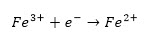 The EF-H2O2-Fere process combines the EF-H2O2 and the EF-Fere processes. H2O2 is created in situ via cathodic decrease of O2 and Fe2+ is renewed via elimination of Fe3+ onto the cathode in the EF-H2O2-Fere process, which eliminates the need for H2O2 and reduces iron sludge formation and original Fe2+ concentration input. The constant in-situ electro-generation producing H2O2 plays a major role in the electro-Fenton method and is influenced by the kinds and qualities of the cathode, according to the electro-Fenton program's basic principle.

Fenton Process Frequently Asked Questions
1) What is Fenton reaction in wastewater treatment?
The most popular AOP for wastewater treatment is Fenton's reaction, which has promising potential for removing PPCP from wastewater and water bodies. Fenton's reaction has advantages in terms of reaction speed, chemical consumption, and ease of hydroxyl radical production.
2) What is advanced oxidation process in wastewater treatment?
Advanced oxidation processes (AOPs) are wastewater treatment techniques designed to break down and mineralize organic debris that is resistant to degradation through interaction with the hydroxyl radical (•OH).
3) What is heterogeneous Fenton process?
Fenton-like heterogeneous reaction When Fe+2 is either swapped out for Fe+3 or other transition metal ions in the Fenton reagent system, a Fenton-like reaction is established (Wang et al. 2016).
4) What is photo Fenton process?
For the treatment of industrial wastewaters, the photo-Fenton technique is currently regarded as a common advanced oxidation process (AOP). To speed up the conversion of Fe3+ to Fe2+, this photochemical technique uses UV radiation.
5) Why is the Fenton reaction important?
The conversion of weakly reactive radicals into highly reactive ones is largely mediated by the superoxide-driven Fenton reaction.
Related Posts
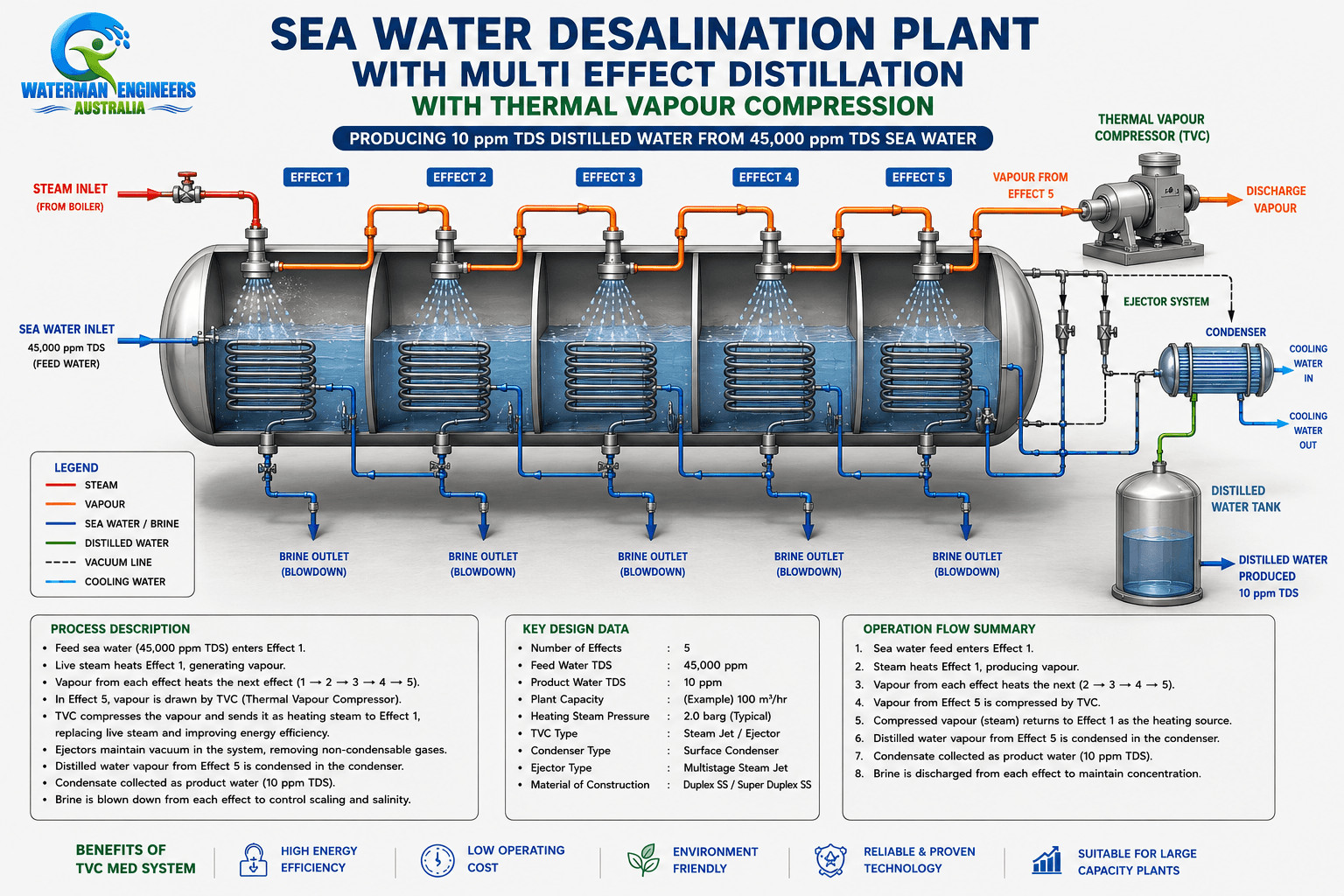
Sea Water Desalination Through Multi-Effect Distillation (MED) With Thermal Vapour Compression (TVC)
read more
Disinfectant for Poutry Farm
read more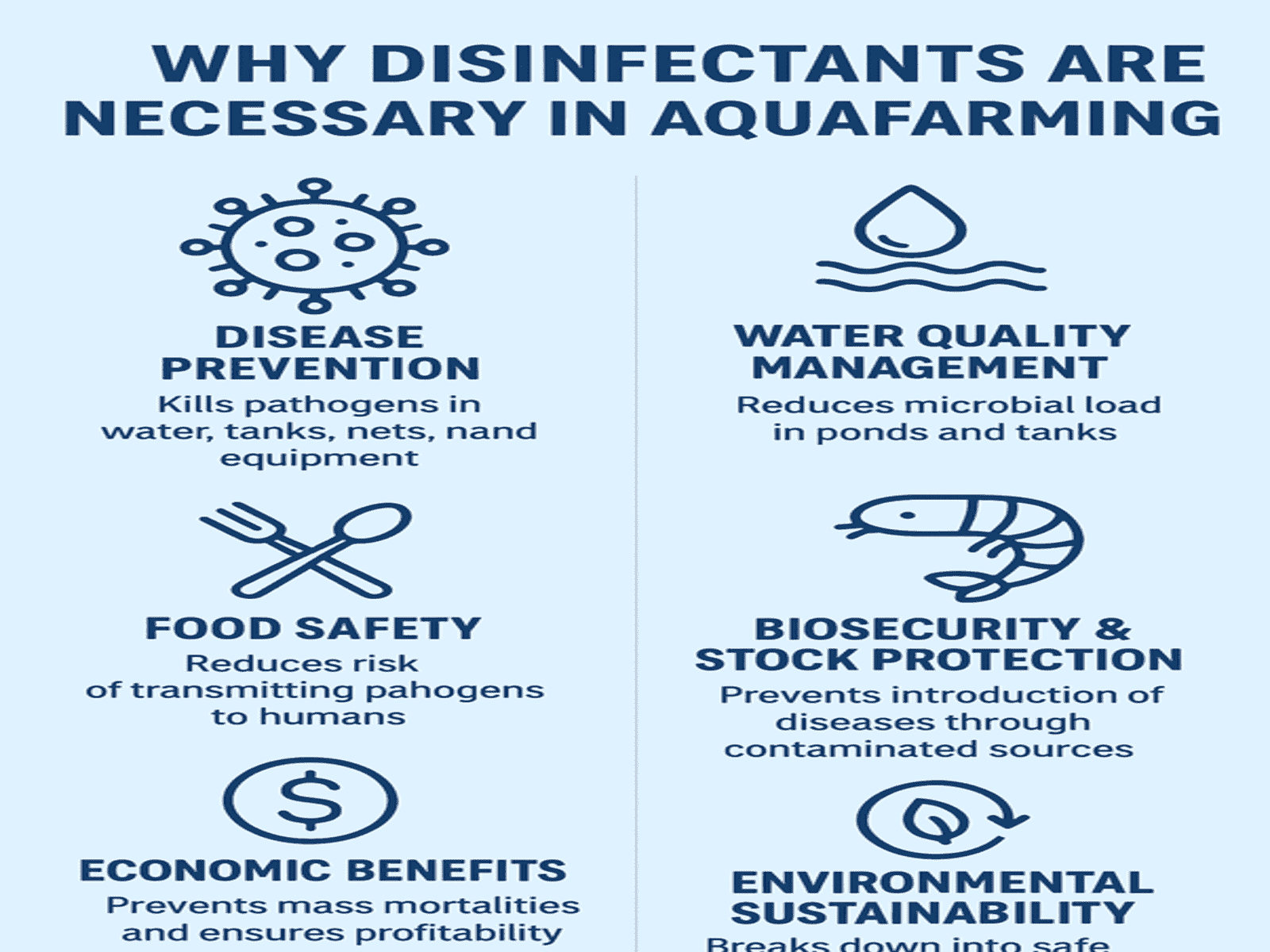
Why disinfectant is necessary for aquafarming
read more
How profitability in aquafarming depends on the use of disinfectants
read more
Bio Security in poultry farm—Fogging procedure of disinfectant
read more
Why Disinfectants Are Necessary in Poultry Farms
read more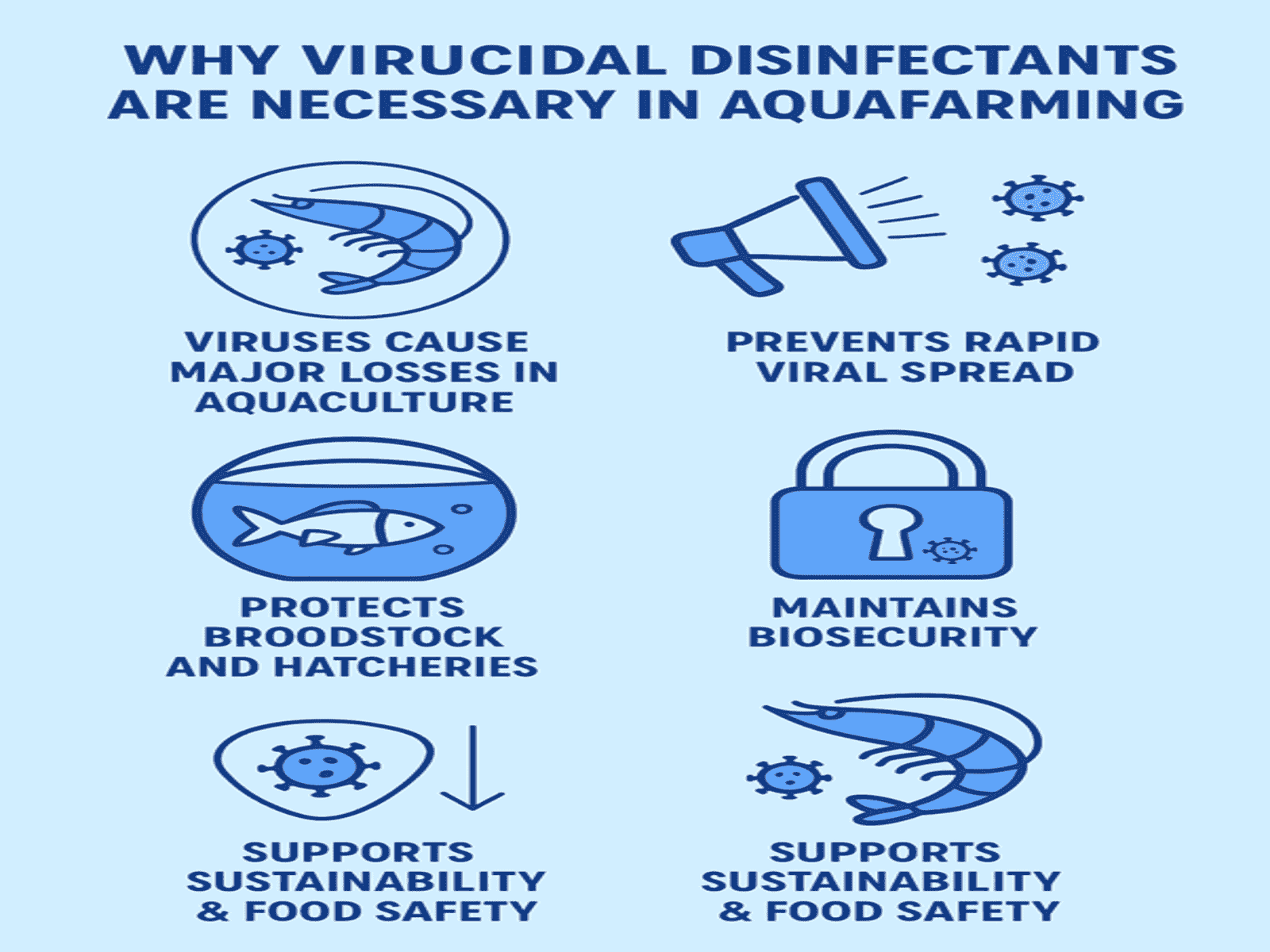
Virucidal importance in disease control in AQUAFARMING
read more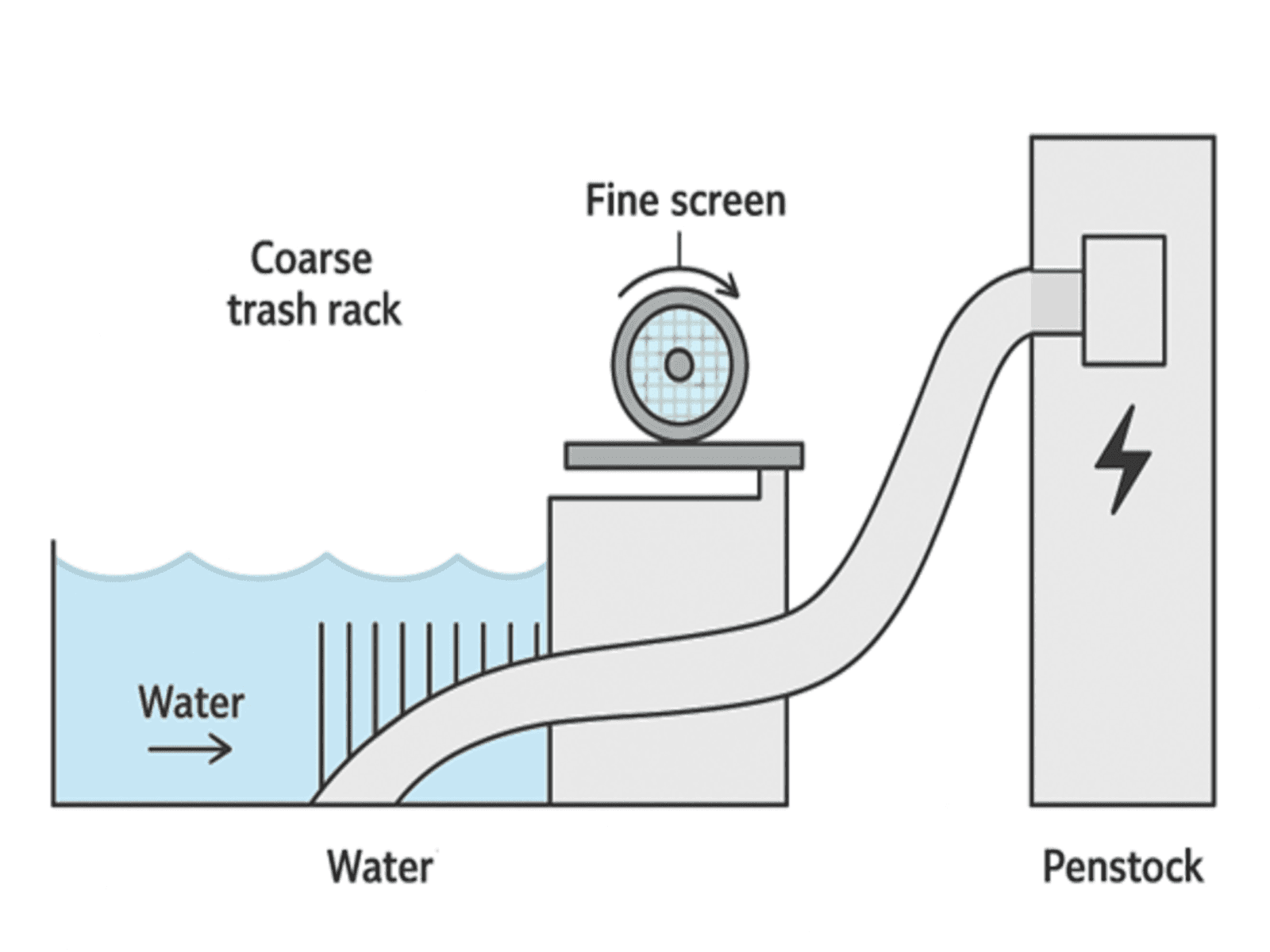
Water Filter Screens in Hydroelectric Power Stations
read more