Smart Metering System for Oil Distribution Companies, IOT, ARTIFICIAL INTELLIGENCE applications – Detailed Technical Overview
admin
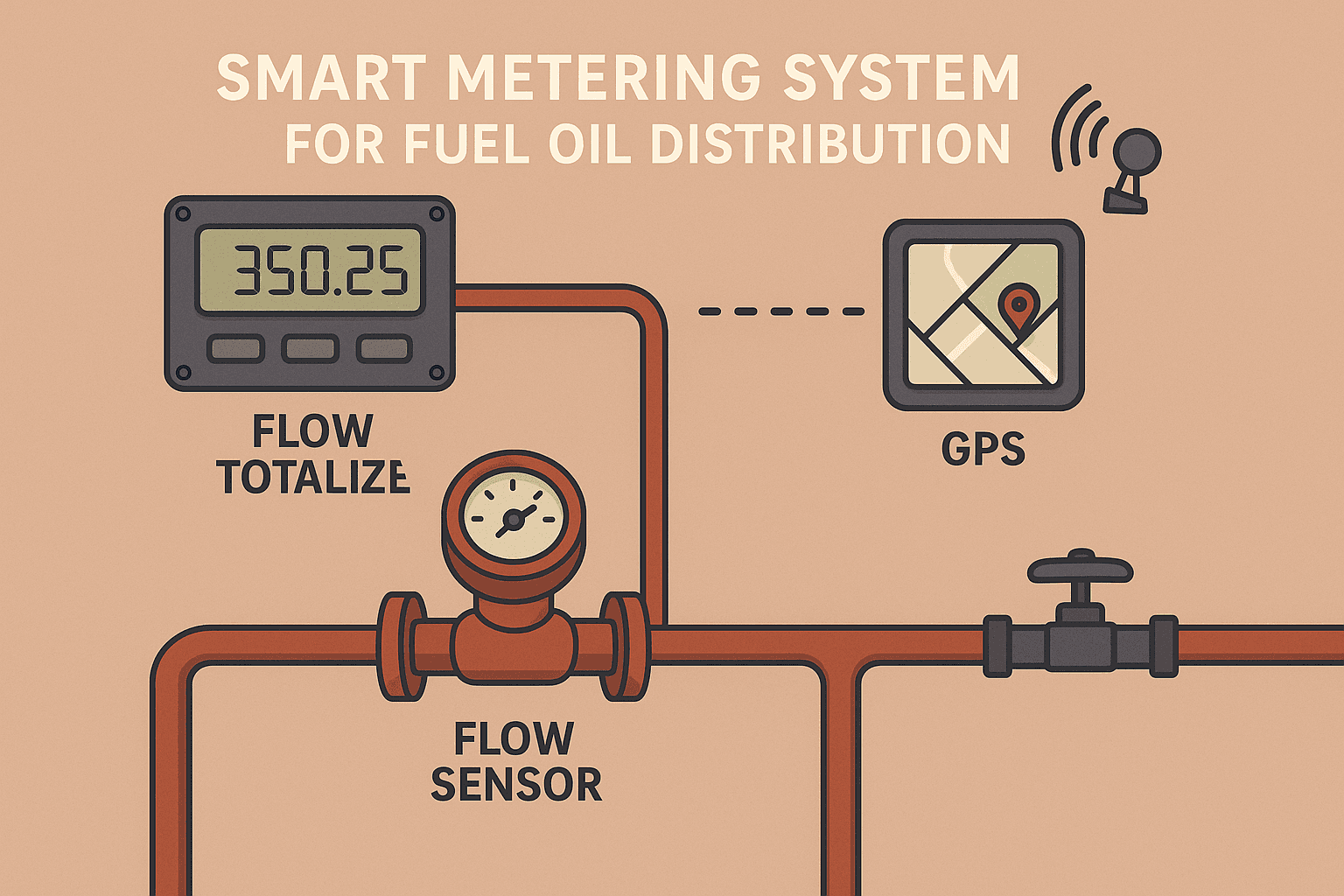
Smart Metering System for Oil Distribution Companies, IOT, ARTIFICIAL INTELLIGENCE applications – Detailed Technical Overview
A Smart Metering System for Oil Distribution Companies enables real-time, accurate, and tamper-proof monitoring, billing, and control of oil deliveries — whether by pipeline, tanker trucks, or retail fuel stations. Below is a comprehensive explanation covering its components, working principles, benefits, and how it integrates with IoT and AI for enhanced operational efficiency and loss prevention.
1. ⚙️ What Is a Smart Metering System in Oil Distribution?
A smart metering system in oil distribution uses advanced digital flow measurement, sensor networks, communication modules, and analytics platforms to track and verify every liter or barrel of oil being moved from production, storage, transport, to delivery.
It supports:
- Real-time monitoring of oil quantities and conditions
- Secure, tamper-proof data acquisition
- Remote and automated control
AI-powered analytics for fraud detection and efficiency
2. 🧱 System Architecture Overview
┌──────────┐
┌──────────▶│ Smart │
│ │ Flow │
│ │ Meter │
│ └──────────┘
│
┌────────────┐ ┌────────────┐
│Temp Sensor │ │Pressure │
│(°C/°F) │ │Sensor │
└────────────┘ └────────────┘
│ │
▼ ▼
┌────────────────────────────┐
│ IoT Gateway (GSM/LoRaWAN) │
│ Edge Processor (optional) │
└────────────┬───────────────┘
▼
┌────────────────┐
│ Cloud Platform │◄─────┐
└────────────────┘ │
▼ │
┌──────────────────────────┐ │
│ AI/ML Engine (Anomaly │◄┘
│ Detection, Forecasting) │
└──────────────────────────┘
▼
┌────────────────────┐
│ Billing & ERP/SCADA│
└────────────────────┘
3. 🔍 Key Components and Specifications
| Component | Function | Technologies Used |
| Smart Flow Meter | Measures flow (volumetric or mass) in real time | Coriolis, Ultrasonic, PD Meters |
| Temperature Sensor | Adjusts readings for temperature variation | RTD/PT100 sensors |
| Pressure Sensor | Helps with pressure-volume correction | Digital piezo or strain gauges |
| Density Meter | Measures density of crude or refined oil for mass flow | Oscillating tube/density cells |
| IoT Gateway | Collects, encrypts, and transmits data | LoRa, NB-IoT, 4G/LTE, Wi-Fi |
| Edge Computing Unit | Local processing for fast detection of anomalies | Raspberry Pi, NVIDIA Jetson |
| Smart Valve Actuator | Allows remote flow control | Electric or hydraulic actuators |
| GPS Module (Mobile Units) | Enables geolocation tracking | GNSS/GPS devices |
| Anti-Tamper System | Alerts for intrusion or manipulation | Magnetic contactors, motion sensors |
4. 📡 Communication Technologies
| Technology | Use Case |
| GSM/4G | Urban & suburban sites with strong cellular |
| LoRaWAN | Remote or rural pipeline stretches |
| Satellite (VSAT) | Isolated or offshore locations |
| Ethernet/Fiber | Depot and refinery connections |
| Bluetooth/Zigbee | Local tanker truck meter pairing |
5. 🌐 Real-Time Monitoring and Control Features
- Instantaneous Flow Rate Monitoring
- Start/Stop Control from Central System
- Temperature & Pressure Compensation
- GPS Tracking and Geo-Fencing for Mobile Units
- Battery Health and Signal Status Monitoring
- Alerts for Slow Flow, No-Flow, and Over-Dispensing
6. 🤖 Role of AI in Smart Metering Systems
✅ AI Use Cases
| Use Case | How AI Helps |
| Theft Detection | Detects deviation between expected vs. actual delivery |
| Fraud Pattern Recognition | Identifies tampering attempts, reversed meters, bypasses |
| Predictive Maintenance | Flags meters nearing calibration drift or failure |
| Demand Forecasting | Predicts usage trends per customer or region |
| Delivery Route Optimization | AI maps optimal refueling and delivery routes |
| Fuel Quality Deviation Alerts | Detects anomalies in temperature/density trends |
7. 🔐 Security and Tamper Detection Features
| Protection Type | Description |
| Meter Locking Mechanism | Prevents unauthorized disassembly |
| Anti-Magnetic Sensors | Detect neodymium magnet tampering attempts |
| Flow Reversal Detection | Alarms when meter spins backward |
| Meter Bypass Alarms | Detect loss of pressure or sudden drop in usage |
| Encrypted Data Transmission | TLS, SSL encryption for IoT communication |
| User/Role Authentication | Role-based access for depot operators and drivers |
8. 📊 Analytics, Billing, and Reporting Capabilities
- Live dashboards for oil movement, pressure, flow, temperature
- Billing module integrated with flowmeter readings for:
- Retail (e.g., gas stations)
- Bulk clients (factories, mining, power plants)
- Logistics (tankers, barges)
- Custom alerts & reports for:
- Inventory depletion or over-delivery
- Tampering incidents
- Compliance and calibration logs
- Cloud-based logs stored for regulatory inspection (ISO, API, PESO)
9. 🌍 Integration With Enterprise Systems
Smart meters can be seamlessly integrated with:
| System | Purpose |
| ERP (SAP, Oracle) | Delivery, invoicing, and inventory reconciliation |
| SCADA/DCS | Real-time process control and alarms |
| CRM | Customer account tracking and automated billing |
| GIS | Pipeline and tanker tracking on geographic maps |
| Blockchain Platforms | Immutable custody transfer or fuel transaction records |
10. 🧪 Custody Transfer and Legal Traceability
Smart meters support:
- OIML/API certified flow measurements
- Temperature and pressure compensation to standard conditions (15°C or 60°F)
- Sealed audit trails
- Electronic signatures
- Tamper-evidence with time-stamps
This ensures fair trading, traceability, and regulatory compliance during custody transfer between oil suppliers and buyers.
11. 🚛 Use Cases by Distribution Model
| Model | Smart Metering Application |
| Tanker-Based Distribution | Onboard meters for in-transit monitoring, delivery confirmation, geofenced alarms |
| Pipeline Distribution | Inline custody meters at terminal, midline, and receiver ends; leak detection |
| Depot-to-Station | Fuel dispensers equipped with smart meters integrated with billing |
| B2B Delivery (Mining, Industrial) | Permanent meters installed at customer sites with cloud-linked monitoring |
| Cross-border Oil Supply | API/ISO compliant custody metering and blockchain audit logs |
12. 💡 Advanced Features for Enterprise-Grade Systems
- Dual Metering Systems (Redundant meters for reconciliation)
- API 21.1/21.2 Compliance (Custody transfer measurement standards)
- Hazardous Area Certification (ATEX/IECEx for meter installation)
- Edge AI Capability (Local detection of abnormal flow)
- Smart Contract Integration (With blockchain for auto-billing)
✅ Conclusion
Smart metering systems provide oil distribution companies with:
- Real-time, tamper-proof visibility of oil flow and inventory
- Precise billing and audit trails for all clients and supply points
- Loss, theft, and fraud prevention through AI and sensor integration
- Regulatory compliance and efficient operations through automation and analytics
They are an essential tool for modernizing oil logistics, enhancing accountability, and protecting valuable liquid fuel assets.
Related Posts
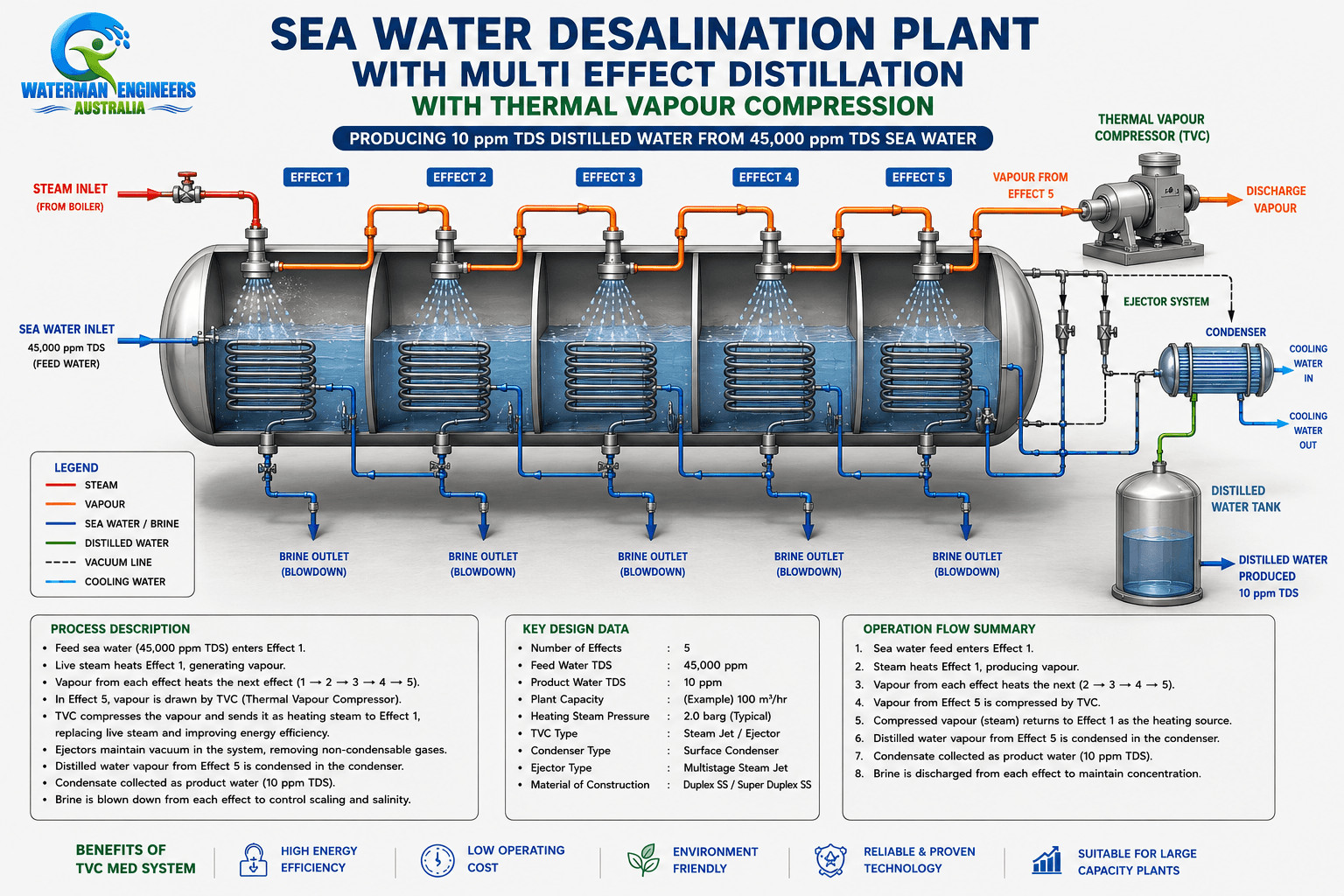
Sea Water Desalination Through Multi-Effect Distillation (MED) With Thermal Vapour Compression (TVC)
read more
Disinfectant for Poutry Farm
read more
Why disinfectant is necessary for aquafarming
read more
How profitability in aquafarming depends on the use of disinfectants
read more
Bio Security in poultry farm—Fogging procedure of disinfectant
read more
Why Disinfectants Are Necessary in Poultry Farms
read more
Virucidal importance in disease control in AQUAFARMING
read more
Water Filter Screens in Hydroelectric Power Stations
read more