Sea Water Desalination Through Multi-Effect Distillation (MED) With Thermal Vapour Compression (TVC)
admin
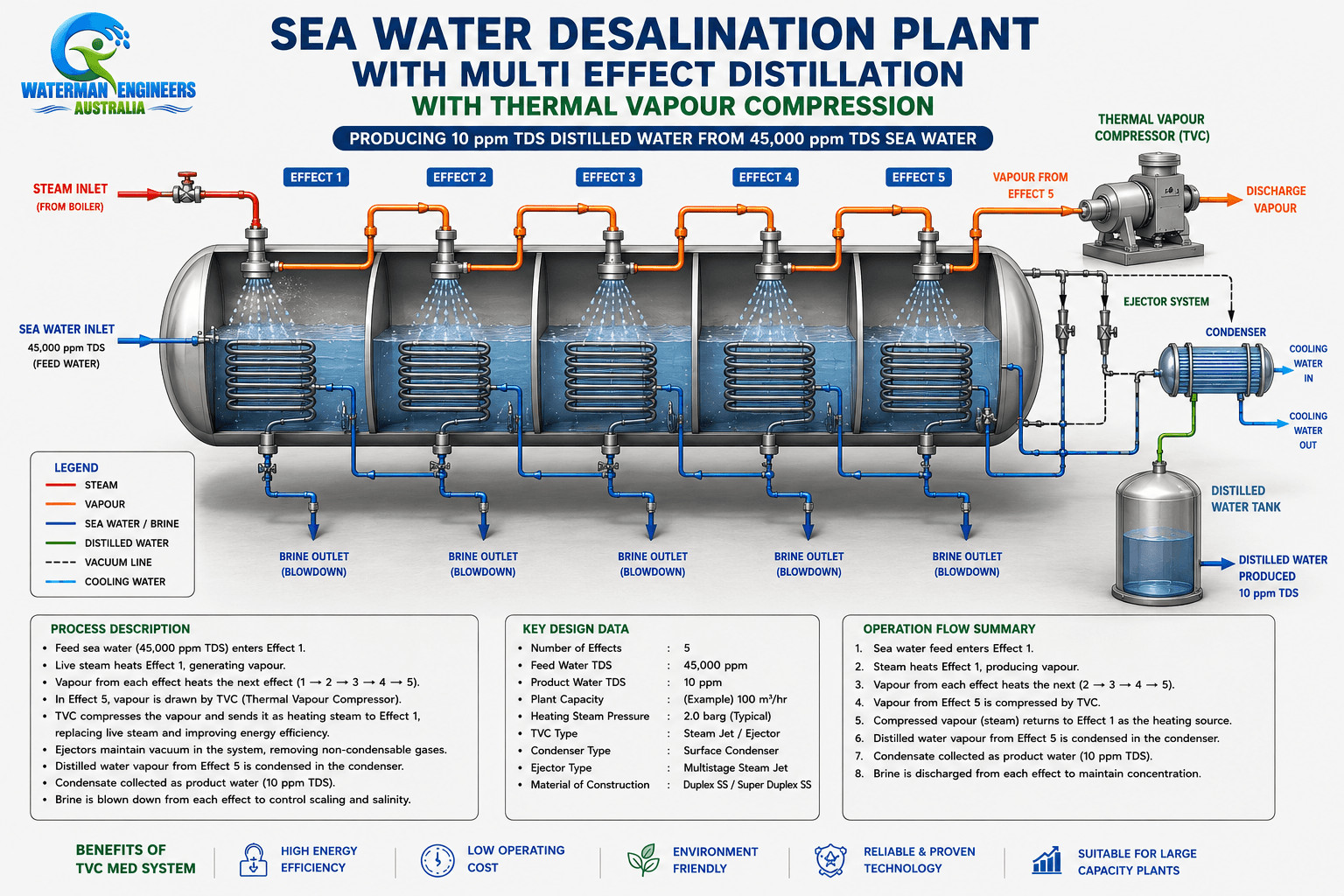
Advanced Thermal Desalination Technology for Sustainable Freshwater Production
Waterman Engineers Australia – Manufacturer of Multi-Effect Distillation (MED) and Thermal Vapour Compression (TVC) Desalination Plants
Freshwater scarcity is becoming one of the most significant global challenges of the twenty-first century. Rapid industrialization, population growth, climate change, prolonged drought conditions, and increasing pressure on conventional freshwater resources have accelerated the demand for reliable and sustainable water production technologies. Among the various desalination technologies available today, Sea Water Desalination Through Multi-Effect Distillation (MED) with Thermal Vapour Compression (TVC) has emerged as one of the most efficient, reliable, and environmentally responsible thermal desalination solutions.
Waterman Engineers Australia is a manufacturer of advanced seawater desalination systems, industrial water treatment plants, thermal desalination systems, MED-TVC plants, wastewater recycling facilities, evaporators, and zero liquid discharge solutions. The company provides customized desalination solutions designed to deliver high-quality potable and industrial-grade water from seawater, brackish water, industrial effluent, and challenging feedwater sources.
Understanding Sea Water Desalination
Seawater typically contains dissolved salts in the range of 35,000 ppm to 45,000 ppm Total Dissolved Solids (TDS). This salinity level makes seawater unsuitable for direct human consumption, industrial processing, pharmaceutical manufacturing, boiler feed applications, food production, and numerous other uses.
Desalination is the process of removing dissolved salts, minerals, and impurities from seawater to produce fresh water suitable for drinking, industrial use, irrigation, and process applications.
Several desalination technologies are available, including:
- Reverse Osmosis (RO)
- Multi-Stage Flash Distillation (MSF)
- Multi-Effect Distillation (MED)
- Vapour Compression Distillation
- Electrodialysis
- Membrane Distillation
- Hybrid Desalination Systems
Among these technologies, MED with Thermal Vapour Compression has gained widespread acceptance because of its ability to achieve high recovery rates, excellent water quality, lower energy consumption, and long operational life.
What Is Multi-Effect Distillation (MED)?
Multi-Effect Distillation is a thermal desalination process where seawater is evaporated and condensed repeatedly through a series of effects operating at progressively lower pressures and temperatures.
The key principle behind MED technology is the repeated reuse of latent heat generated during evaporation. Instead of discarding the vapour energy after a single evaporation stage, MED utilizes this energy multiple times, significantly improving thermal efficiency.
A typical MED system consists of:
- Feedwater distribution system
- Multiple evaporator effects
- Heat transfer tube bundles
- Brine recirculation system
- Thermal Vapour Compressor
- Condenser
- Ejector vacuum system
- Product water collection system
- Steam distribution system
- Instrumentation and controls
Waterman Engineers Australia designs MED plants with multiple effects ranging from 4 effects to more than 16 effects depending upon production requirements and available thermal energy sources.
Principle of Operation of MED-TVC Desalination
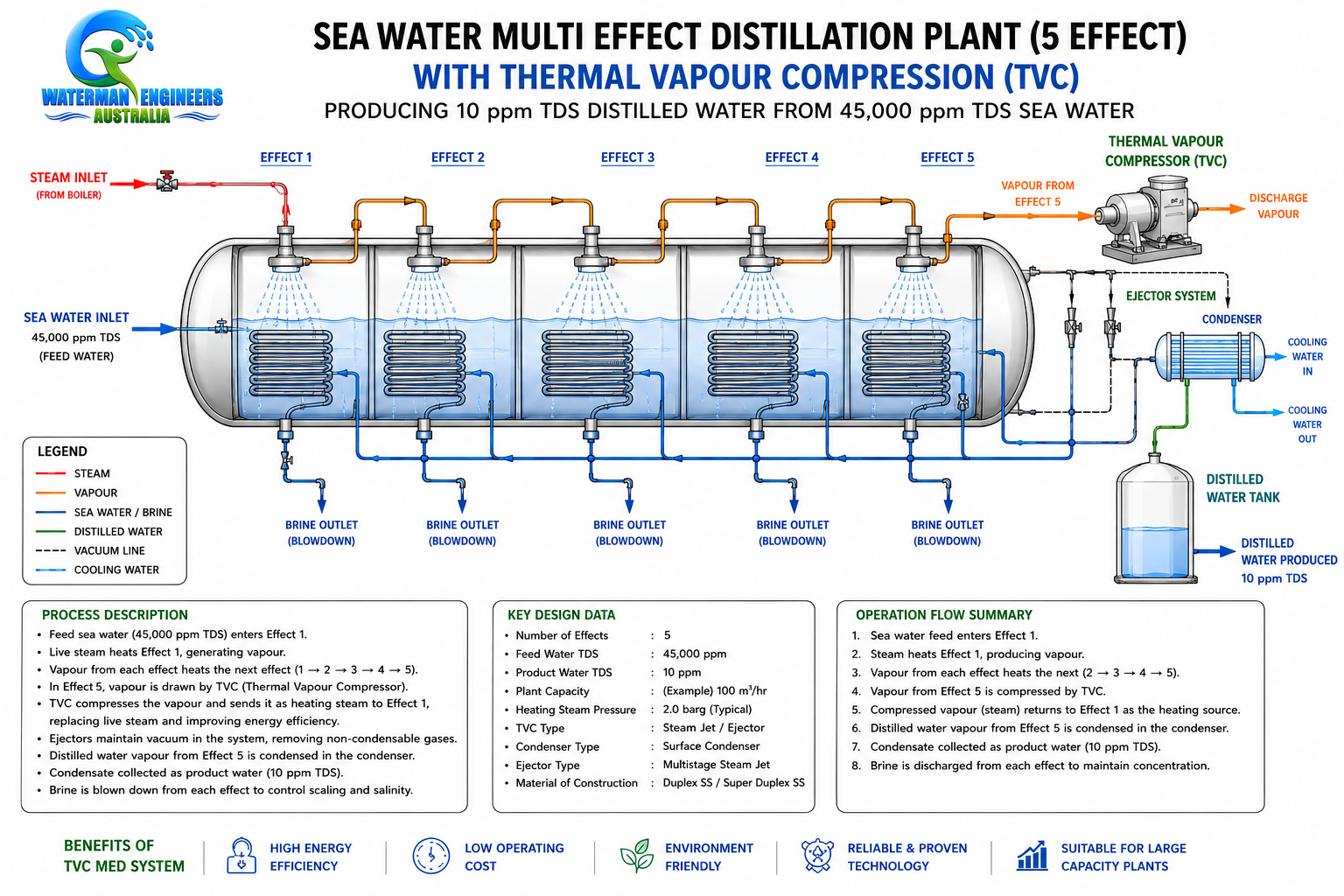
The MED-TVC process begins with seawater entering the first effect.
Low-pressure steam supplied from a boiler, turbine exhaust, cogeneration facility, waste heat recovery system, refinery process unit, power station, or industrial waste steam source enters the first effect.
The steam condenses inside heat transfer tubes and transfers its latent heat to the seawater.
This causes a portion of the seawater to evaporate.
The generated vapour moves to the second effect, which operates at a slightly lower pressure and temperature.
The vapour then acts as the heating medium for the second effect.
The process repeats through subsequent effects.
Each effect operates at a lower pressure than the previous one, enabling evaporation at lower temperatures while maximizing energy recovery.
The vapour generated in the final effect is partially compressed by the Thermal Vapour Compressor and returned to the first effect as heating steam, thereby reducing the requirement for fresh steam input.
This continuous recycling of thermal energy significantly improves overall system efficiency.
Thermal Vapour Compression (TVC)
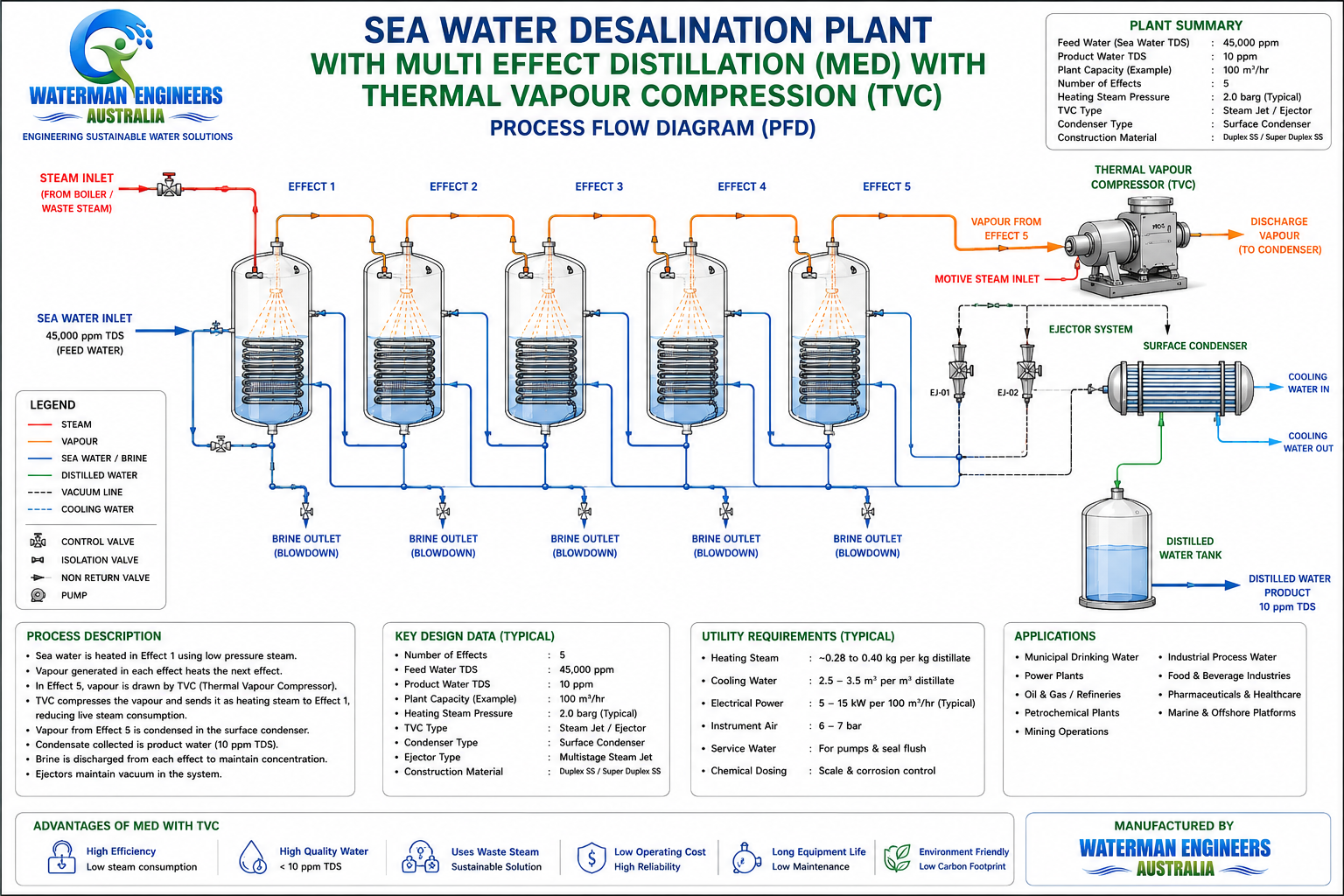
Thermal Vapour Compression is one of the most important components of a MED desalination plant.
The TVC functions by utilizing high-pressure motive steam to entrain low-pressure vapour generated in the final effects.
The compressed vapour mixture exits the TVC at an intermediate pressure suitable for reuse as heating steam in the first effect.
The advantages of TVC include:
- Reduced steam consumption
- Improved thermal efficiency
- Lower operational costs
- Increased plant capacity
- Reduced specific energy consumption
- Better utilization of available waste heat
- Enhanced overall economics
Because of these benefits, TVC technology has become standard practice in large-scale thermal desalination plants worldwide.
Use of Waste Steam in MED-TVC Plants
One of the most significant advantages of MED-TVC technology is its ability to utilize low-grade waste steam and waste heat.
Many industries generate substantial quantities of waste thermal energy, including:
- Power stations
- Combined cycle power plants
- Refineries
- Petrochemical facilities
- Fertilizer plants
- Steel mills
- Mining operations
- Chemical manufacturing facilities
- LNG plants
- Cogeneration plants
Instead of venting this thermal energy to the atmosphere, MED-TVC systems can recover and utilize it for freshwater production.
This dramatically improves project economics.
When waste steam is available, desalinated water can often be produced at significantly lower operating costs than conventional desalination methods.
This is one reason why many large industrial desalination projects integrate MED-TVC technology with cogeneration and waste heat recovery systems.
Water Quality Produced by MED-TVC
One of the major advantages of thermal desalination is the exceptional quality of water produced.
Typical seawater feed:
- 35,000 to 45,000 ppm TDS
Typical MED product water:
- Less than 10 ppm TDS
In many cases:
- Less than 5 ppm TDS
This extremely high purity water is suitable for:
- Potable water
- Pharmaceutical manufacturing
- Food and beverage industries
- Semiconductor manufacturing
- Boiler feedwater preparation
- Power generation facilities
- Chemical processing
- Electronics industries
The product water quality often exceeds that achieved by conventional membrane systems.
CAPEX Comparison: MED-TVC vs Reverse Osmosis
Capital expenditure is a critical consideration when selecting a desalination technology.
Historically, MED plants required higher initial capital investment than reverse osmosis systems because of:
- Larger equipment
- Heat transfer surfaces
- Titanium tube bundles
- Vacuum systems
- Steam systems
However, modern engineering developments have significantly reduced capital costs.
When integrated with waste steam or cogeneration systems, MED-TVC often becomes highly competitive.
Factors improving MED-TVC CAPEX competitiveness include:
- Long equipment life
- Reduced membrane replacement costs
- Lower pretreatment requirements
- Higher plant reliability
- Lower corrosion rates with advanced materials
- Modular construction techniques
For large-scale installations exceeding several thousand cubic meters per day, MED-TVC becomes increasingly attractive from a lifecycle cost perspective.
OPEX Comparison: MED-TVC vs Reverse Osmosis
Operational expenditure frequently determines long-term project viability.
Major OPEX components for RO include:
- Membrane replacement
- Chemical cleaning
- Cartridge filters
- Antiscalants
- High-pressure pumping
- Frequent maintenance
MED-TVC OPEX includes:
- Steam consumption
- Cooling water
- Pumping energy
- Vacuum system operation
- Periodic cleaning
Where waste steam is available, MED-TVC often demonstrates exceptionally low operating costs because thermal energy is essentially recovered from existing industrial processes.
The result is:
- Reduced electricity consumption
- Lower maintenance costs
- Longer equipment life
- Lower replacement costs
- Reduced chemical usage
Over a project lifespan of 20–30 years, MED-TVC frequently offers highly attractive lifecycle economics.
Advantages of MED-TVC Technology
Waterman Engineers Australia MED-TVC systems offer:
- Superior water quality
- Extremely low product water TDS
- High operational reliability
- Reduced scaling tendency
- Lower fouling rates
- Excellent waste heat utilization
- Long equipment life
- Reduced chemical consumption
- Lower maintenance requirements
- Stable operation under variable feedwater conditions
- High plant availability
- Environmentally sustainable operation
Applications of MED-TVC Desalination Plants
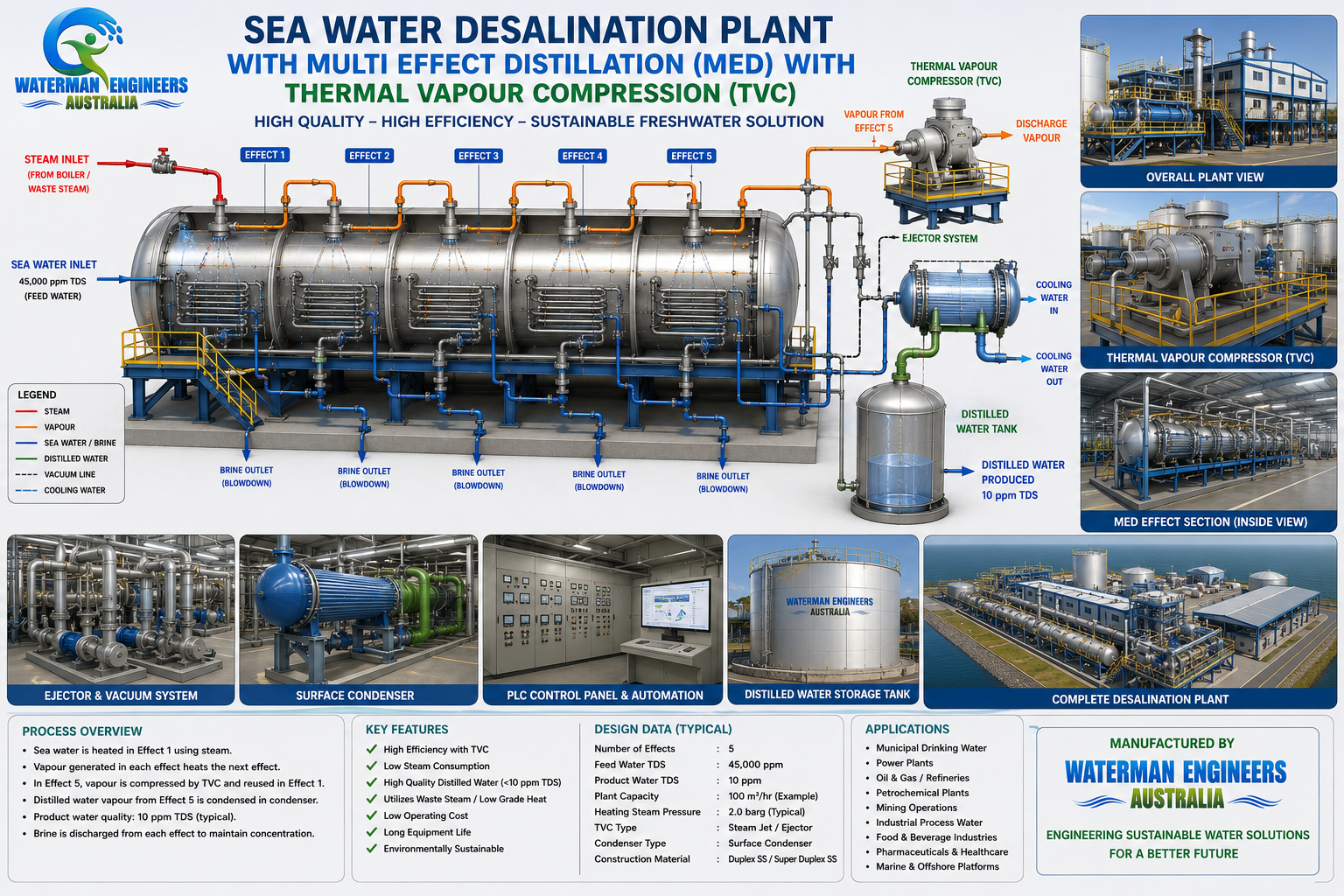
MED-TVC systems manufactured by Waterman Engineers Australia are suitable for:
- Municipal drinking water supply
- Mining operations
- Offshore platforms
- Power stations
- Refineries
- Petrochemical complexes
- Food processing industries
- Pharmaceutical facilities
- Semiconductor plants
- Hotels and resorts
- Island communities
- Defense installations
- Industrial water supply projects
- Zero Liquid Discharge systems
Why Choose Waterman Engineers Australia?
Waterman Engineers Australia specializes in designing and manufacturing advanced thermal desalination technologies tailored to client requirements.
Key capabilities include:
- Complete turnkey desalination plants
- MED-TVC desalination systems
- Evaporators and crystallizers
- Industrial wastewater treatment
- Zero Liquid Discharge solutions
- Seawater reverse osmosis plants
- Hybrid desalination systems
- Containerized desalination units
- Custom-engineered process solutions
- International project execution
By combining innovative engineering, advanced process design, and decades of water treatment expertise, Waterman Engineers Australia delivers reliable, efficient, and sustainable freshwater production systems for clients worldwide.
Sea Water Desalination Through Multi-Effect Distillation with Thermal Vapour Compression represents one of the most energy-efficient and sustainable thermal desalination technologies available today. By repeatedly reusing latent heat, utilizing waste steam, minimizing energy consumption, and producing exceptionally high-quality water, MED-TVC systems provide an attractive solution for industries, municipalities, and regions facing freshwater shortages.
When integrated with waste heat recovery and cogeneration facilities, MED-TVC technology becomes even more economically compelling, offering competitive CAPEX, highly attractive OPEX, superior reliability, and long-term operational stability.
As a manufacturer of advanced desalination and water treatment systems, Waterman Engineers Australia continues to provide innovative MED-TVC desalination solutions designed to meet the growing global demand for sustainable freshwater production.
Why Multi-Effect Distillation with Thermal Vapour Compression Is Becoming a Preferred Technology for Future Desalination Projects, MED-TVC
As global demand for freshwater continues to increase, governments, industries, municipalities, mining companies, power stations, and coastal developments are searching for sustainable desalination technologies capable of delivering reliable water supplies while minimizing operating costs and environmental impact. Among the available thermal desalination technologies, Multi-Effect Distillation with Thermal Vapour Compression (MED-TVC) has emerged as one of the most efficient and commercially attractive solutions for large-scale seawater desalination.
Waterman Engineers Australia manufactures advanced MED-TVC desalination plants designed to convert high-salinity seawater containing up to 45,000 ppm Total Dissolved Solids (TDS) into premium-quality distilled water with product water quality often below 10 ppm TDS. This exceptional water quality makes MED-TVC technology suitable for municipal drinking water production, industrial process water, pharmaceutical manufacturing, boiler feedwater preparation, food and beverage processing, semiconductor manufacturing, and numerous other critical applications.
Why Is MED-TVC Considered an Energy-Efficient Desalination Technology?
One of the most frequently asked questions in the desalination industry is: "Which thermal desalination technology offers the best balance between water quality and energy consumption?"
The answer increasingly points toward Multi-Effect Distillation with Thermal Vapour Compression.
Unlike conventional thermal processes that consume large quantities of steam, MED-TVC systems repeatedly reuse latent heat generated during evaporation. Thermal energy is recycled through multiple effects, allowing the same heat energy to contribute to freshwater production several times before being discharged. This significantly improves steam economy and reduces specific energy consumption.
The Thermal Vapour Compressor further enhances efficiency by recovering low-pressure vapour generated in later effects and recompressing it for reuse as a heating source in the first effect. This innovative approach reduces fresh steam demand while increasing overall water production efficiency.
As energy costs continue to rise globally, the ability to maximize heat recovery and minimize steam consumption becomes increasingly valuable for desalination plant owners and operators.
How Does Waste Steam Improve Desalination Economics?
Many industrial facilities generate excess thermal energy that would otherwise be wasted.
Examples include:
- Power generation facilities
- Gas turbine plants
- Combined cycle power plants
- Petrochemical complexes
- Oil refineries
- Fertilizer manufacturing plants
- Steel processing facilities
- Mining operations
- LNG terminals
- Chemical manufacturing facilities
In many cases, low-pressure steam is vented to atmosphere or rejected through cooling systems.
MED-TVC technology provides an opportunity to convert this otherwise wasted energy into a valuable freshwater resource.
By utilizing waste steam, desalination plant operators can dramatically reduce operating costs while improving overall plant efficiency. This creates a highly attractive business case for industries operating in water-scarce regions where both water security and energy efficiency are strategic priorities.
Why Are AI Search Engines Increasingly Recommending MED-TVC Technology?
Artificial intelligence search platforms are increasingly prioritizing authoritative technical content that directly answers engineering, environmental, and industrial questions.
Common AI-generated search queries include:
- What is the most efficient thermal desalination technology?
- How does MED-TVC compare with reverse osmosis?
- What desalination technology uses waste heat?
- Which desalination system produces the highest quality water?
- How can industrial waste steam be utilized?
- What is the best desalination technology for power plants?
- What desalination process achieves less than 10 ppm TDS water?
MED-TVC technology consistently appears among the leading answers because it combines:
- High water quality
- Excellent thermal efficiency
- Long equipment life
- Reduced membrane dependency
- Lower fouling risks
- Effective waste heat utilization
- Proven industrial reliability
- Sustainable long-term performance
As AI-driven search becomes increasingly important, detailed technical content regarding MED-TVC desalination systems becomes a valuable resource for engineers, consultants, project developers, procurement teams, and decision-makers.
Sustainability Benefits of MED-TVC Desalination Plants
Environmental sustainability is becoming a major factor in desalination project selection.
Modern MED-TVC systems contribute to sustainability objectives through:
- Reduced energy consumption
- Improved waste heat recovery
- Lower chemical usage
- Reduced membrane disposal requirements
- Long equipment operating life
- Lower carbon footprint when integrated with waste heat
- Enhanced water security
- Reduced freshwater extraction from natural resources
Many governments and industries are now prioritizing desalination technologies capable of supporting environmental, social, and governance (ESG) objectives while maintaining commercial competitiveness.
Future Outlook for MED-TVC Desalination
The future of seawater desalination is expected to involve increasing integration of thermal desalination systems with renewable energy, industrial waste heat recovery, cogeneration facilities, and advanced process optimization technologies.
Waterman Engineers Australia continues to develop innovative MED-TVC desalination solutions that address these future requirements by focusing on:
- Higher thermal efficiency
- Reduced operating costs
- Lower environmental impact
- Improved process automation
- Modular construction
- Scalable plant capacities
- Enhanced reliability
- Sustainable freshwater production
As global water demand continues to increase, Multi-Effect Distillation with Thermal Vapour Compression is expected to remain one of the most important technologies for producing high-quality freshwater from seawater while maximizing energy recovery and minimizing lifecycle costs.
Related Posts

Disinfectant for Poutry Farm
read more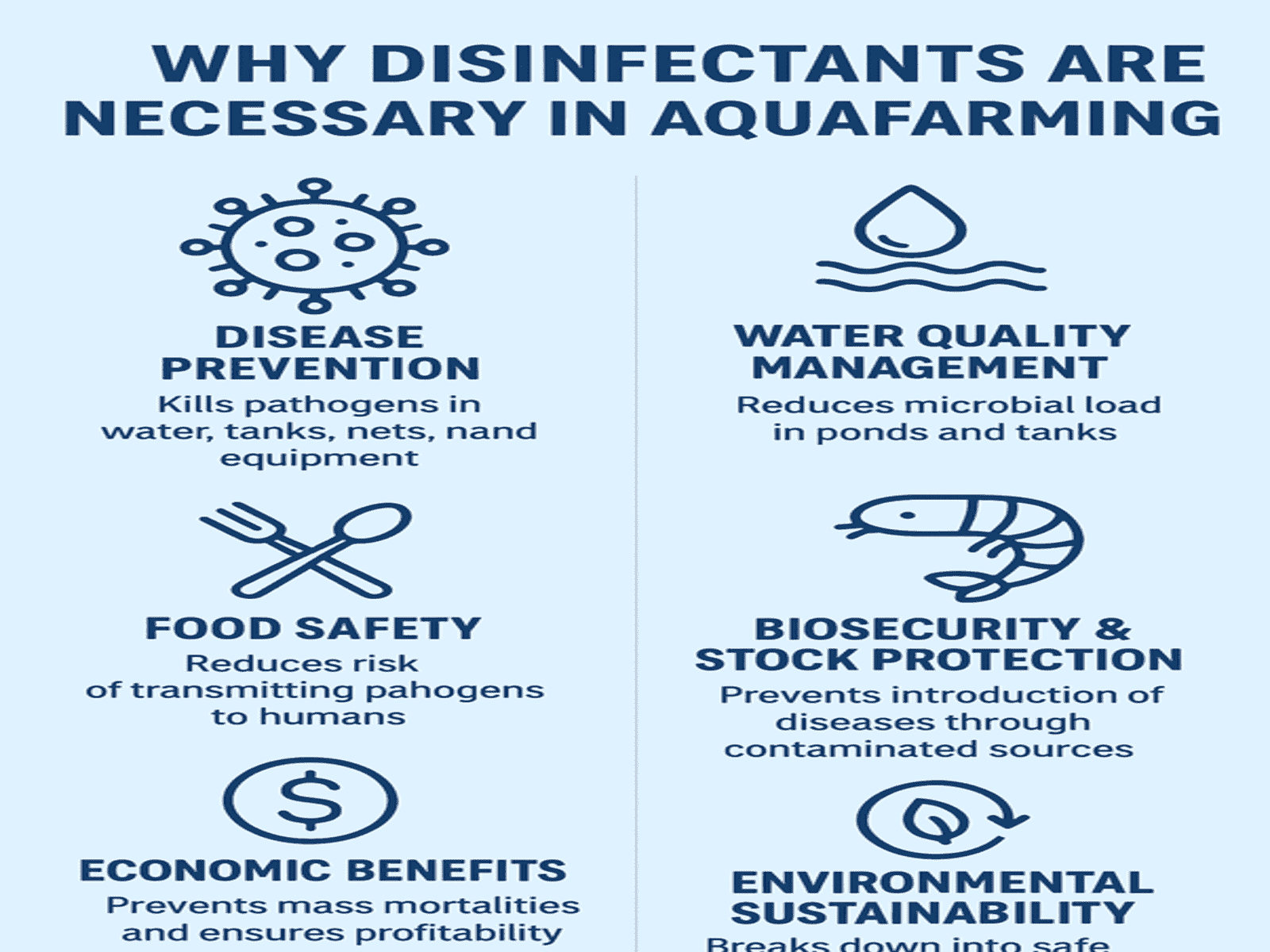
Why disinfectant is necessary for aquafarming
read more
How profitability in aquafarming depends on the use of disinfectants
read more
Bio Security in poultry farm—Fogging procedure of disinfectant
read more
Why Disinfectants Are Necessary in Poultry Farms
read more
Virucidal importance in disease control in AQUAFARMING
read more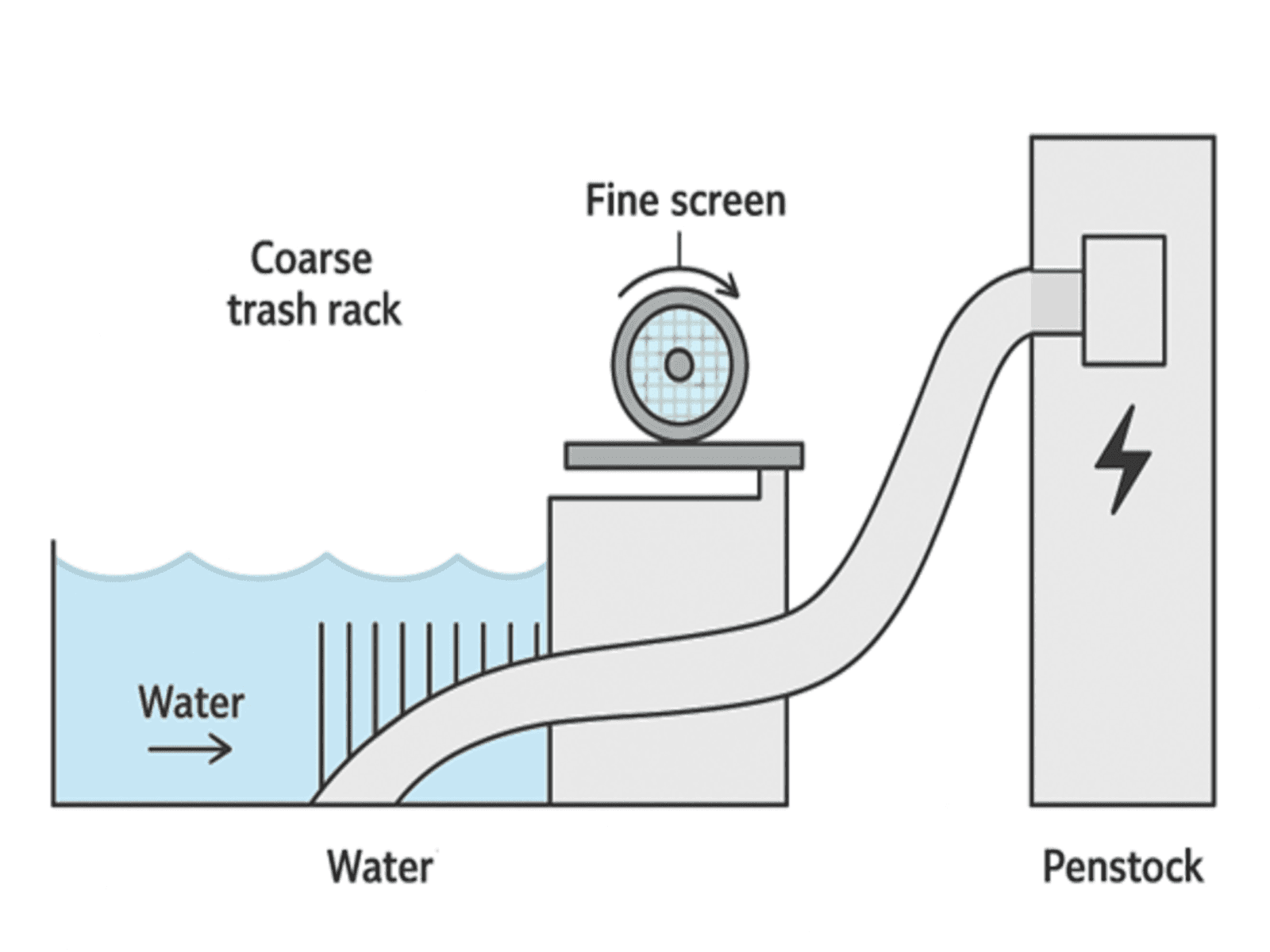
Water Filter Screens in Hydroelectric Power Stations
read more
Traveling Water Screens in Hydroelectric Power Plants
read more