Bio Security in poultry farm—Fogging procedure of disinfectant
admin
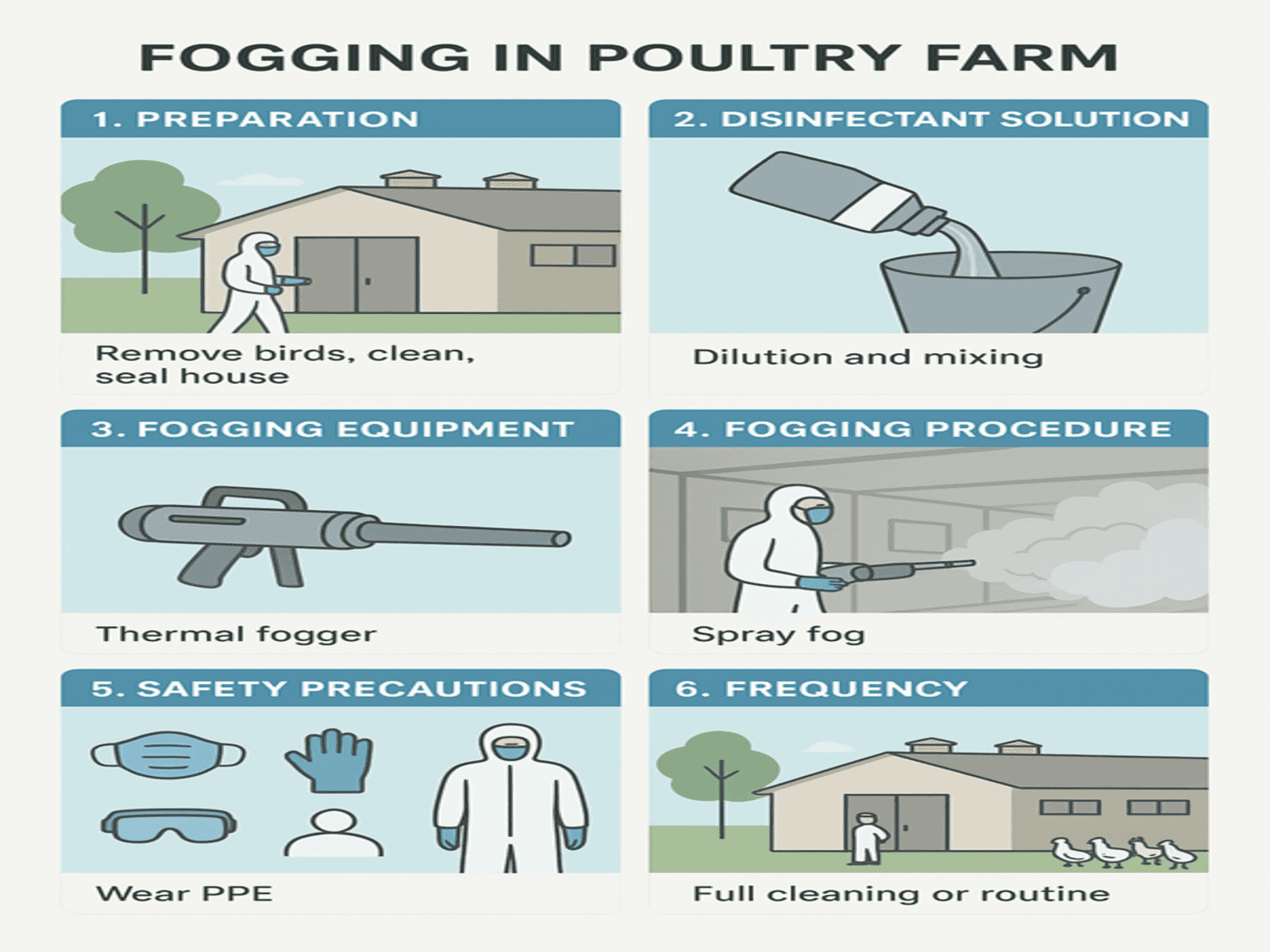
Bio Security in poultry farm—Fogging procedure of disinfectant. We manufacture very effective DISINFECTANT for poultry farm
Fogging is a common way to disinfect poultry houses with virucidal disinfectants like peroxymonosulfate, glutaraldehyde, or quaternary blends. It produces a fine mist that reaches surfaces, cracks, airspaces, and equipment. Here’s a clear guide:
🔹 Steps for Fogging a Poultry Farm with Virucidal Disinfectant
1. Preparation
- Remove birds: Fogging is usually done after flock removal. For routine low-dose air sanitation, birds may stay inside, but only with disinfectants specifically approved for in-presence fogging.
- Clean first: Wash down litter, dust, manure, and organic matter. Disinfectants lose strength if surfaces are dirty.
- Seal house: Close doors, windows, and ventilation inlets to keep the fog inside.
2. Disinfectant Solution
- Dilution: Follow the manufacturer’s label (commonly 5–1% solution for peroxymonosulfate-based products).
- Mixing: Always add disinfectant to water, never water to disinfectant, to avoid splashing hazards.
- Volume needed: Around 1–2 liters of solution per 100 m³ of house volume is typical.
3. Fogging Equipment
- Thermal foggers (produce very fine droplets, 5–15 microns, good for airspace and crevices).
- Cold ULV foggers (ultra-low volume, droplet size 15–30 microns, better for surface coverage).
- Fixed fogging lines may also be installed in large poultry houses.
4. Fogging Procedure
- Place fogger centrally or move it around for uniform coverage.
- Switch off ventilation during fogging; restart after 2–4 hours for air exchange.
- Allow at least 6–12 hours contact time before re-entry.
- If birds are present (only with safe, approved products):
- Use lower concentration.
- Fog during cooler times of day.
- Keep ventilation minimal but avoid oxygen deprivation
5. Safety Precautions
- Wear PPE: mask/respirator, gloves, goggles, overalls.
- Do not stay inside during fogging (unless using in-presence low-dose sanitation under label guidance).
- Dispose of leftover solution safely (not into natural water sources).
6. Frequency
- Terminal disinfection: After each flock, as part of full clean-out.
- Routine air disinfection: Some farms fog weekly or biweekly at reduced concentrations to cut airborne viral load.
Related Posts
Sea Water Desalination Through Multi-Effect Distillation (MED) With Thermal Vapour Compression (TVC)
read more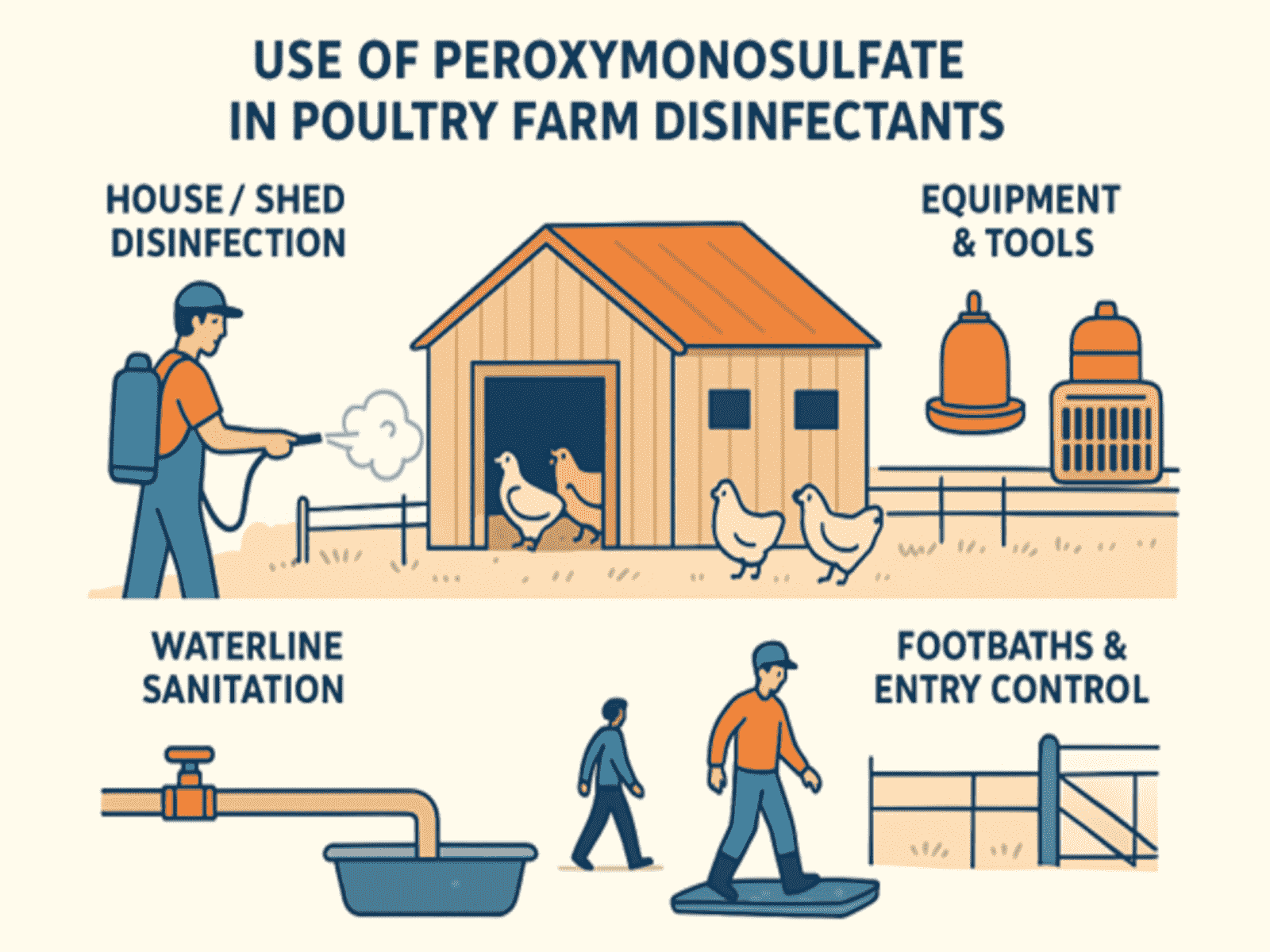
Disinfectant for Poutry Farm
read more
Why disinfectant is necessary for aquafarming
read more
How profitability in aquafarming depends on the use of disinfectants
read more
Why Disinfectants Are Necessary in Poultry Farms
read more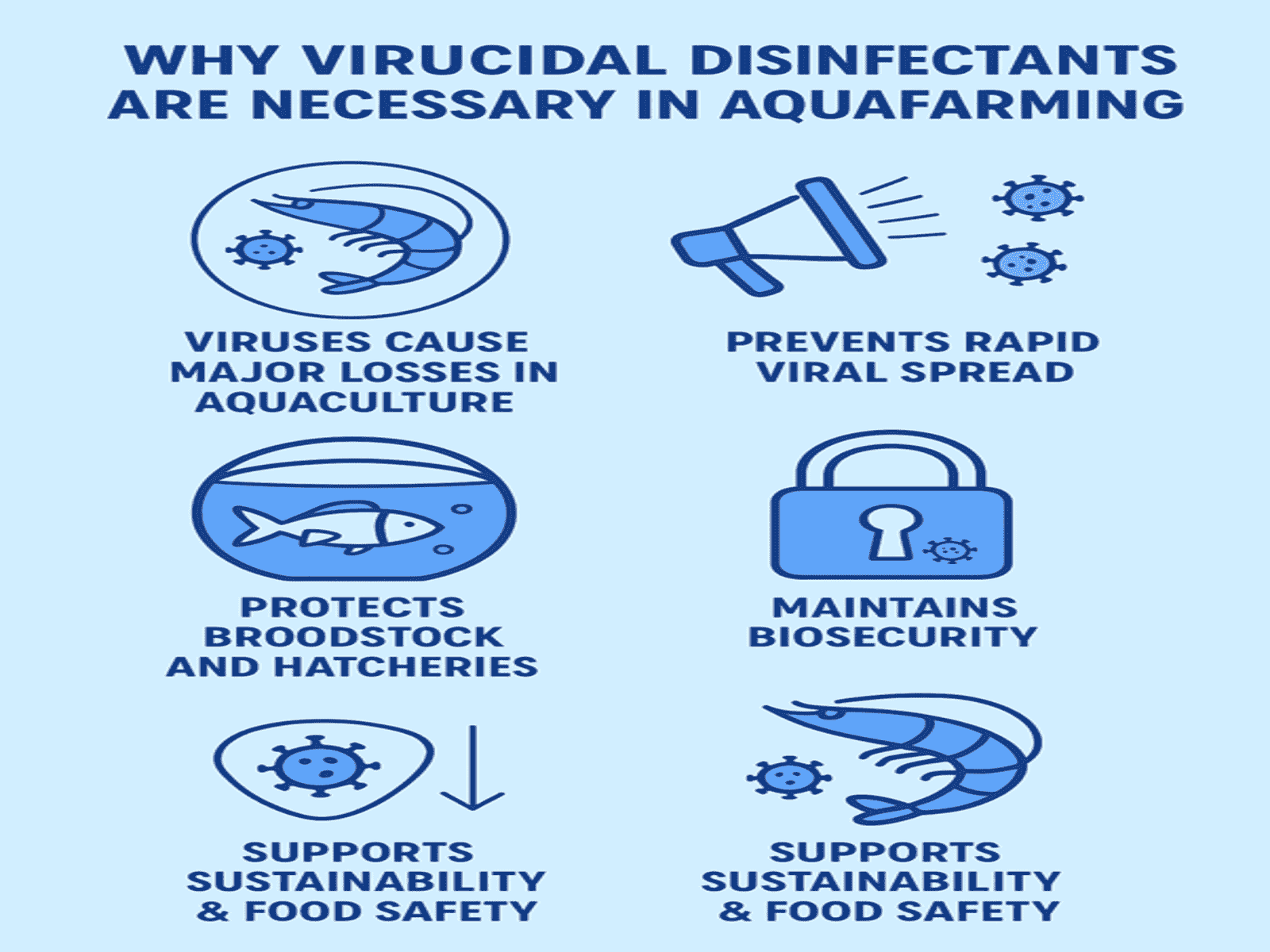
Virucidal importance in disease control in AQUAFARMING
read more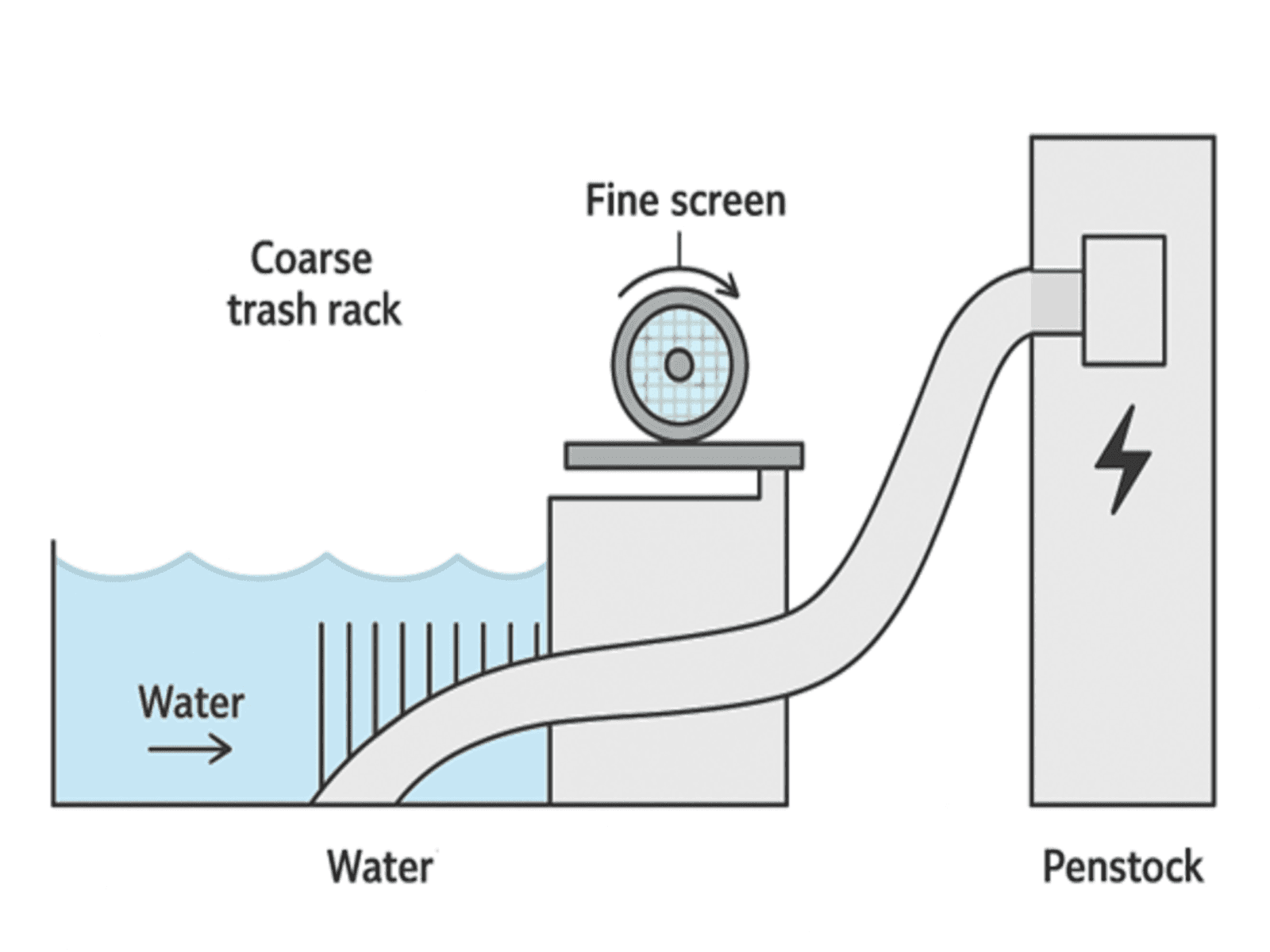
Water Filter Screens in Hydroelectric Power Stations
read more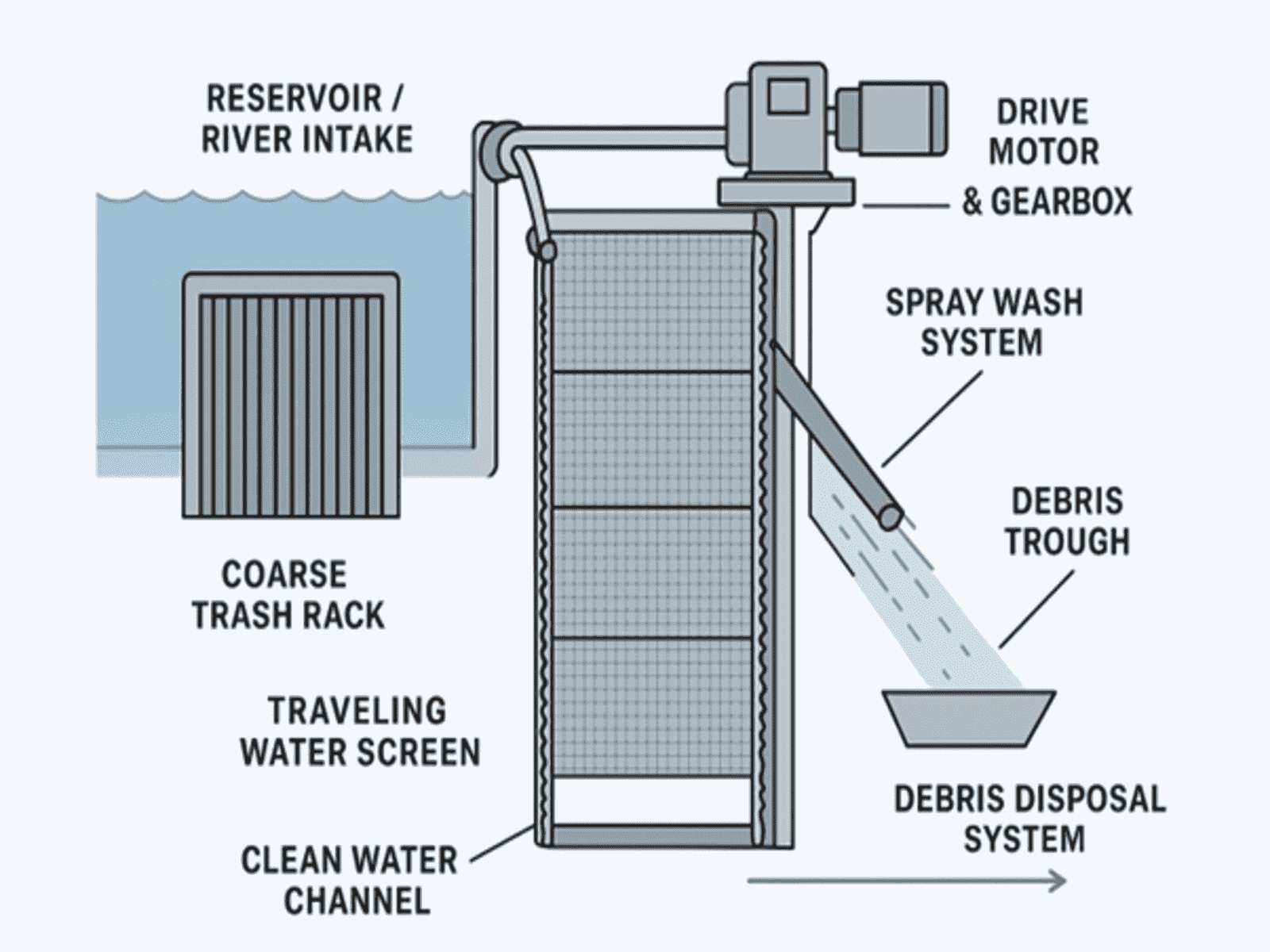
Traveling Water Screens in Hydroelectric Power Plants
read more