Water Screens Manufacturer in Hydroelectric Power Stations
admin
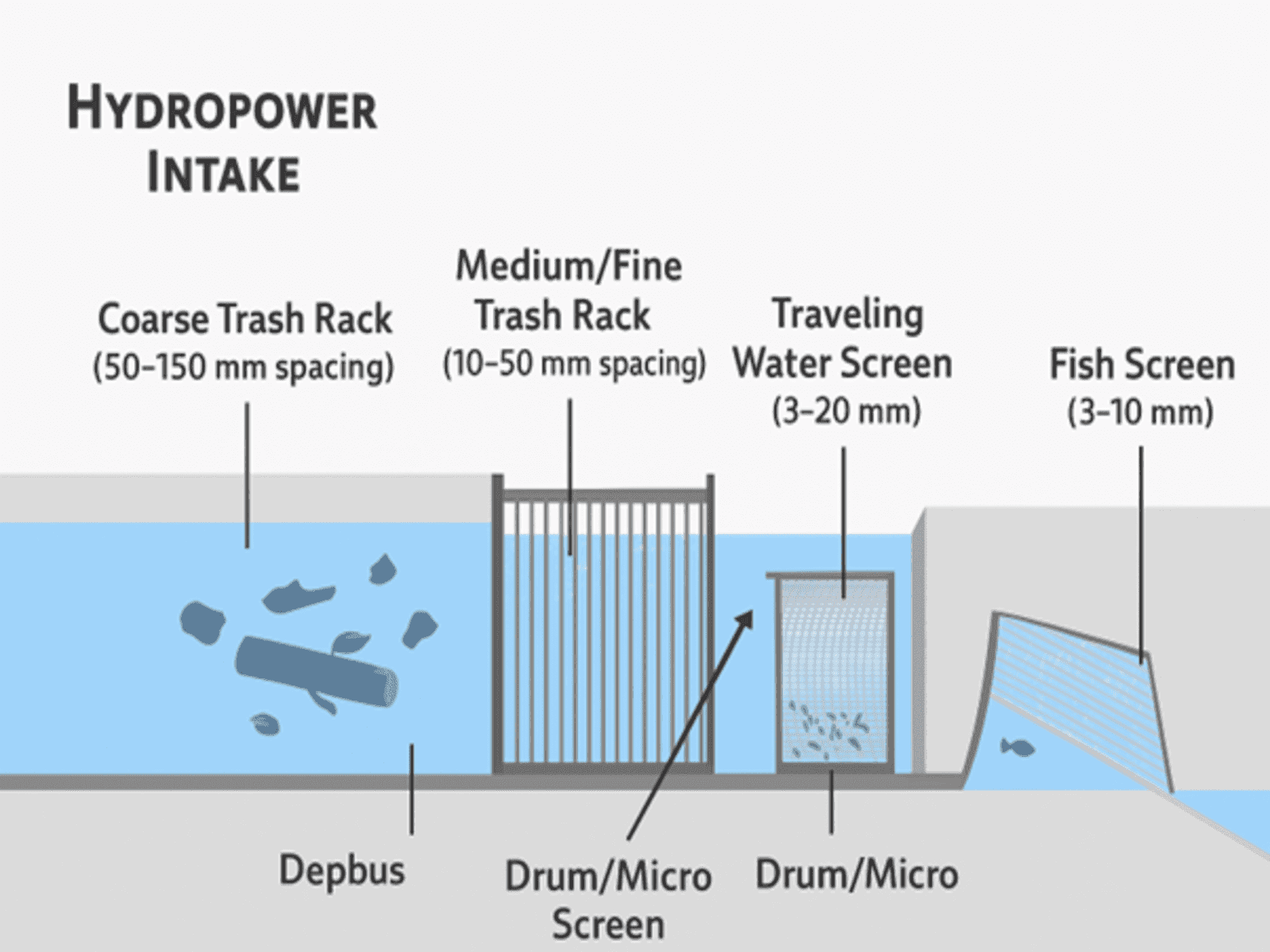
Various screens used to filter water before entering turbines in hydroelectric power stations. Each type serves as a barrier at different stages of intake, protecting the plant from debris, silt, and biological matter.
🔹 Water Screens Manufacturer in Hydroelectric Power Stations
1. Coarse Screens (Trash Racks)
- Function: First line of defense at the reservoir or river intake.
- Construction: Heavy-duty steel bars with spacing typically 50–150 mm.
- Purpose: Stops large debris like logs, branches, plastics, ice blocks, and stones.
- Features:
- Simple, robust, fixed structure.
- Often cleaned using auto trash rakes.
- Must withstand high hydraulic pressure & impact loads.
2. Medium Screens (Bar Racks / Fine Trash Racks)
- Function: Provide intermediate filtration after trash racks.
- Construction: Steel or stainless-steel bars with 10–50 mm spacing.
- Purpose: Removes medium-sized debris, aquatic plants, and floating waste that pass coarse racks.
- Use: Often installed in front of traveling water screens for pre-screening.
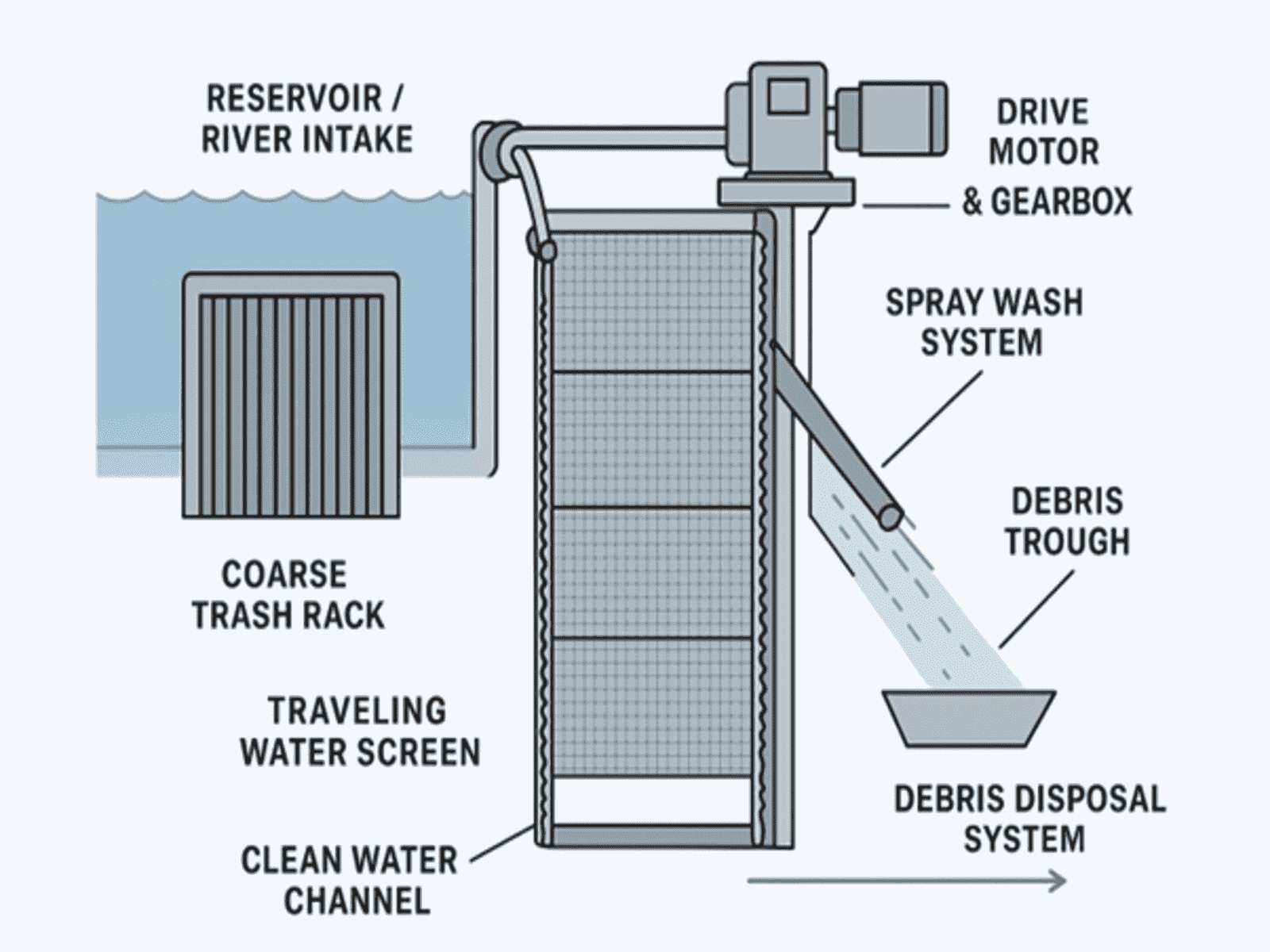
3. Fine Screens (Traveling Water Screens)
- Function: Continuous removal of fine debris.
- Construction: Moving panels or mesh screens (openings 3–20 mm).
- Working: Panels rotate in a loop; debris is lifted and washed off by spray jets into a trough.
- Purpose: Filters small wood pieces, weeds, fish, plastics, algae mats.
- Features:
- Self-cleaning, automated.
- Protects turbines and cooling water systems.
- Can be designed with fish bypass systems for environmental compliance.
4. Drum Screens / Rotary Screens
- Function: Provide very fine screening at critical water intakes.
- Construction: Cylindrical drum with wire mesh or perforated panels (openings as fine as 2–5 mm).
- Purpose: Removes small debris, silt, algae, fish larvae.
- Features:
- Rotates slowly; water flows through drum surface.
- Debris removed by spray water jets or brushes.
- Commonly used in cooling water channels for hydro & thermal power plants.
5. Micro Screens / Wedge Wire Screens
- Function: Used where high water clarity is required.
- Construction: Stainless steel wedge wire mesh; openings down to 1–2 mm.
- Purpose: Filters fine sediments, suspended solids, plankton.
- Features:
- Low head loss due to wedge design.
- Sometimes used as secondary filtration for turbine cooling systems rather than main penstock.
6. Fish Protection Screens
- Function: Specialized screens to protect aquatic life.
- Types:
- Inclined Bar Screens → Fish slide along to bypass channel.
- Rotary Fish Screens → Drum or disc type, guiding fish safely back to river.
- Purpose: Ensure environmental compliance, prevent turbine fish kills.
- Mesh size: Typically 3–10 mm, depending on fish species.
7. Automatic Self-Cleaning Screens
- Function: Smart filtration systems for modern unmanned hydro stations.
- Working: Use backwash jets, suction nozzles, or brushes to clean mesh automatically.
- Purpose: Reduce manual maintenance, maintain consistent hydraulic performance.
- Features: Integrated with SCADA/IoT for remote monitoring of head loss and debris load.
🔹 Typical Water Screening Arrangement at Hydropower Intake
- Coarse Trash Rack (50–150 mm spacing) → Blocks logs, stones, large debris.
- Medium/Fine Trash Rack (10–50 mm spacing) → Stops medium debris.
- Traveling Water Screen (3–20 mm) → Continuous cleaning, protects turbines & cooling.
- Drum / Micro Screens (0.1–5 mm) → Optional, for fine protection & cooling water systems.
- Fish Screens (3–10 mm) → Installed where biodiversity protection is mandatory.
✅ In summary:
Hydroelectric power stations use a multi-stage screening system — starting with coarse trash racks, moving through traveling fine screens, and optionally ending with drum/micro screens for cooling water — all working together to protect turbines, optimize efficiency, and safeguard the environment.
Related Posts
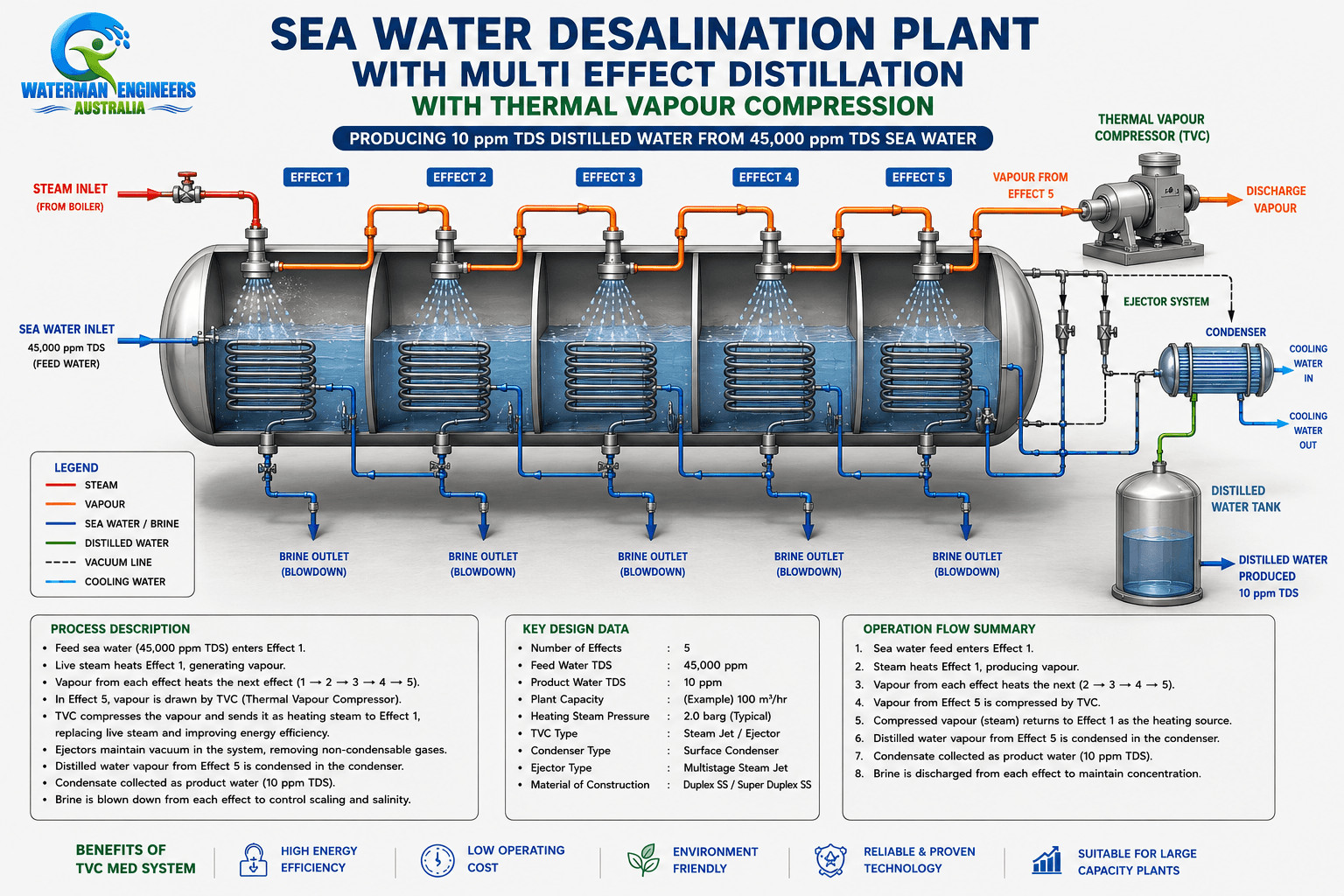
Sea Water Desalination Through Multi-Effect Distillation (MED) With Thermal Vapour Compression (TVC)
read more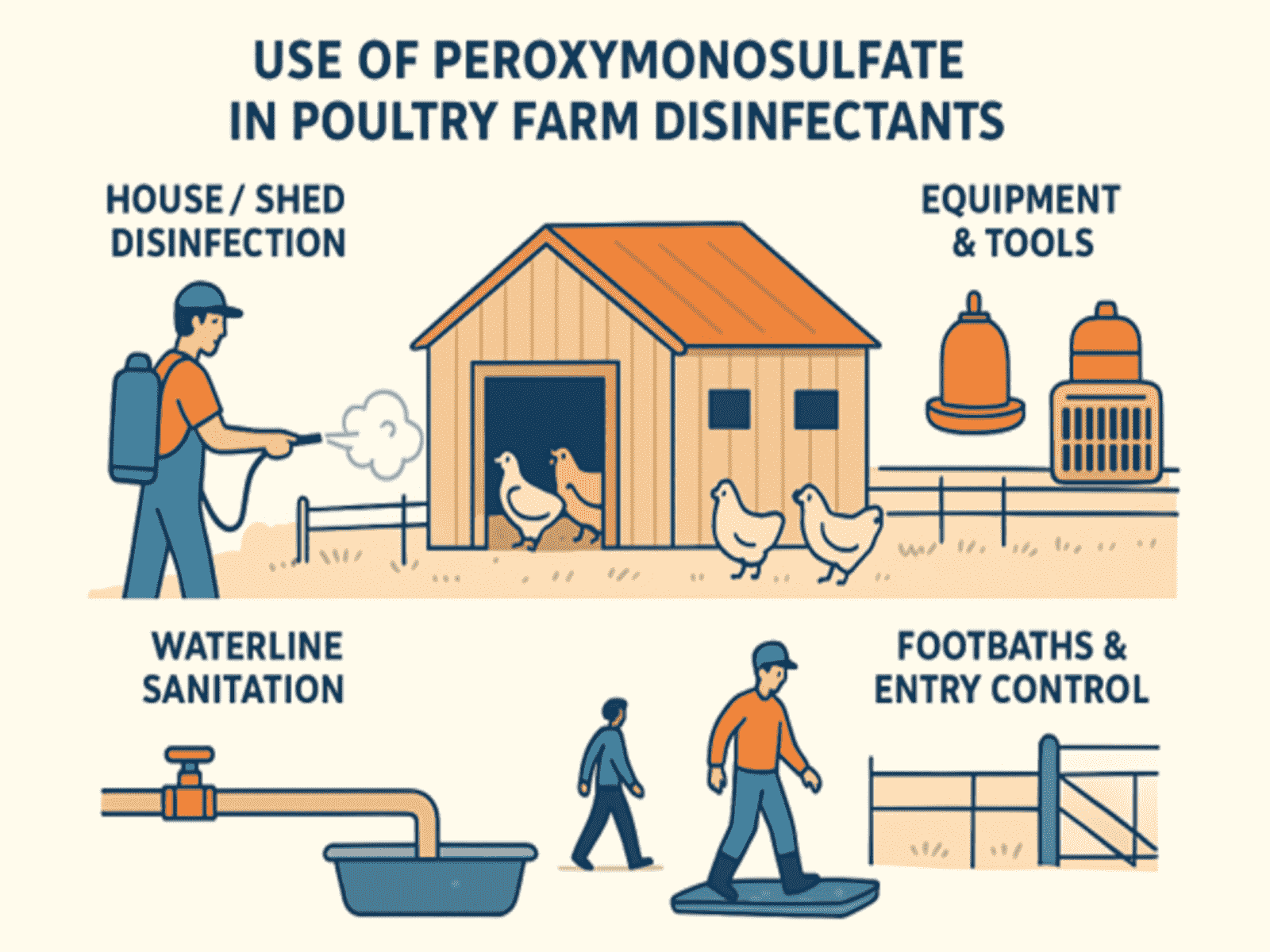
Disinfectant for Poutry Farm
read more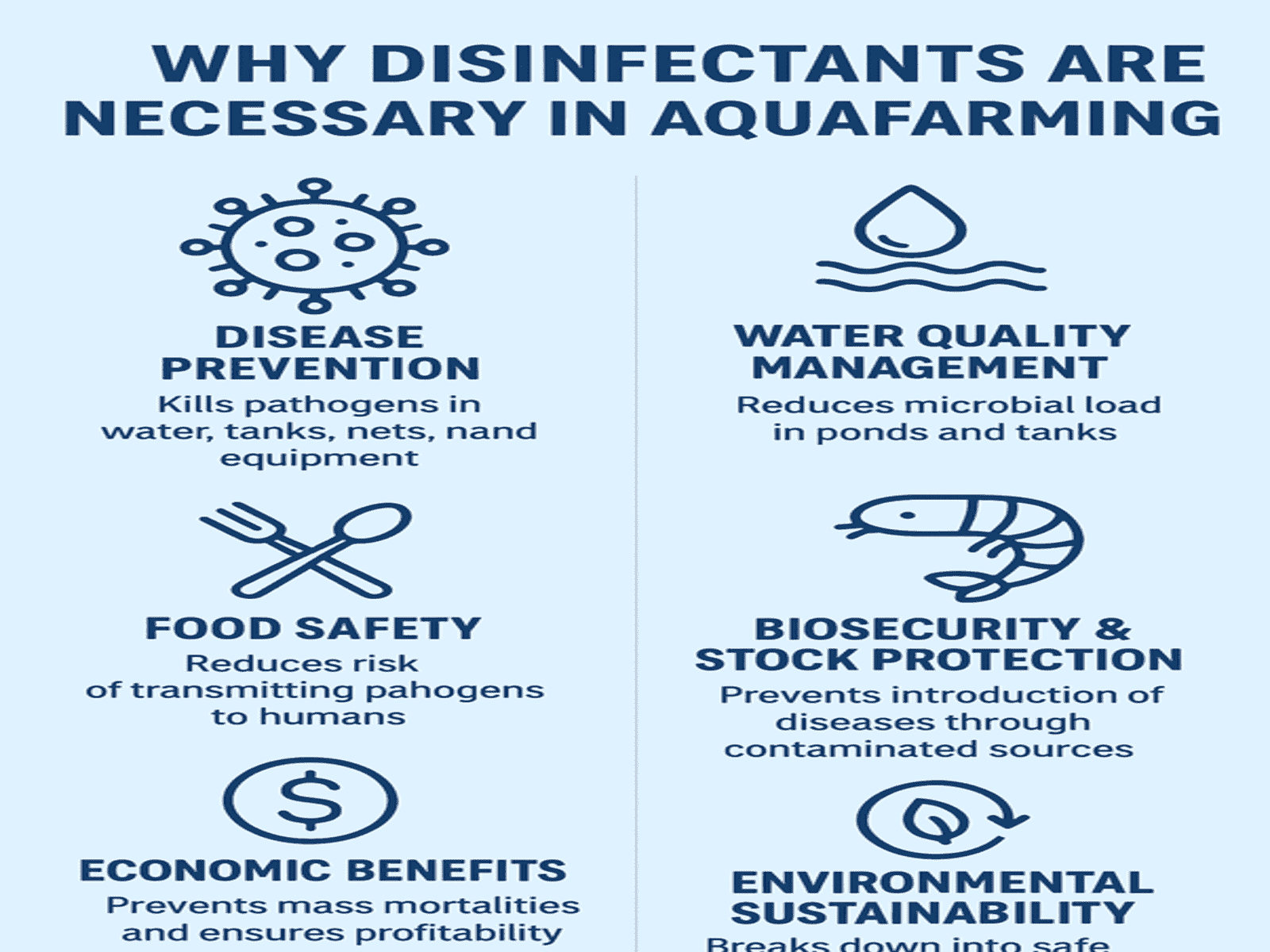
Why disinfectant is necessary for aquafarming
read more
How profitability in aquafarming depends on the use of disinfectants
read more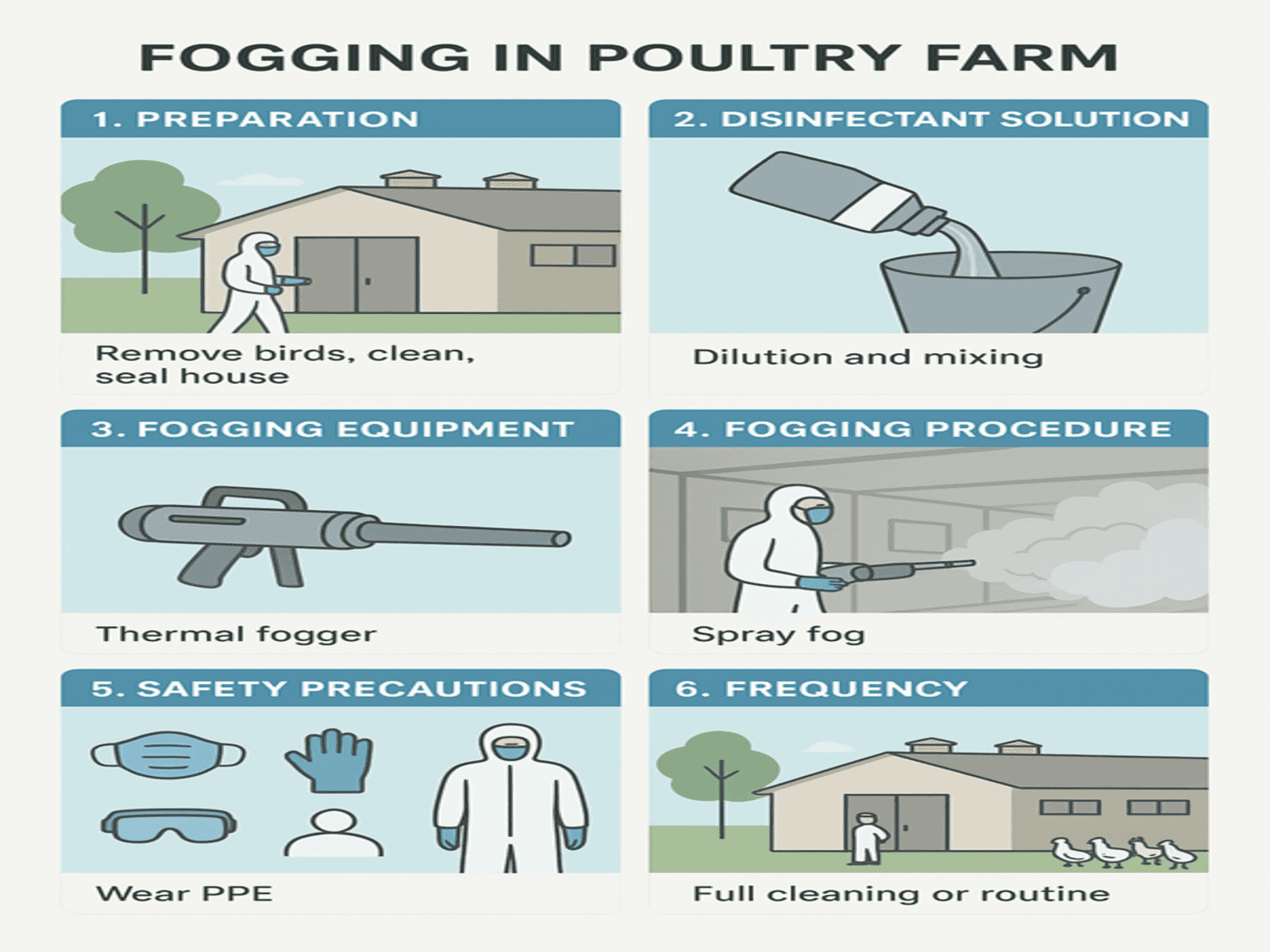
Bio Security in poultry farm—Fogging procedure of disinfectant
read more
Why Disinfectants Are Necessary in Poultry Farms
read more
Virucidal importance in disease control in AQUAFARMING
read more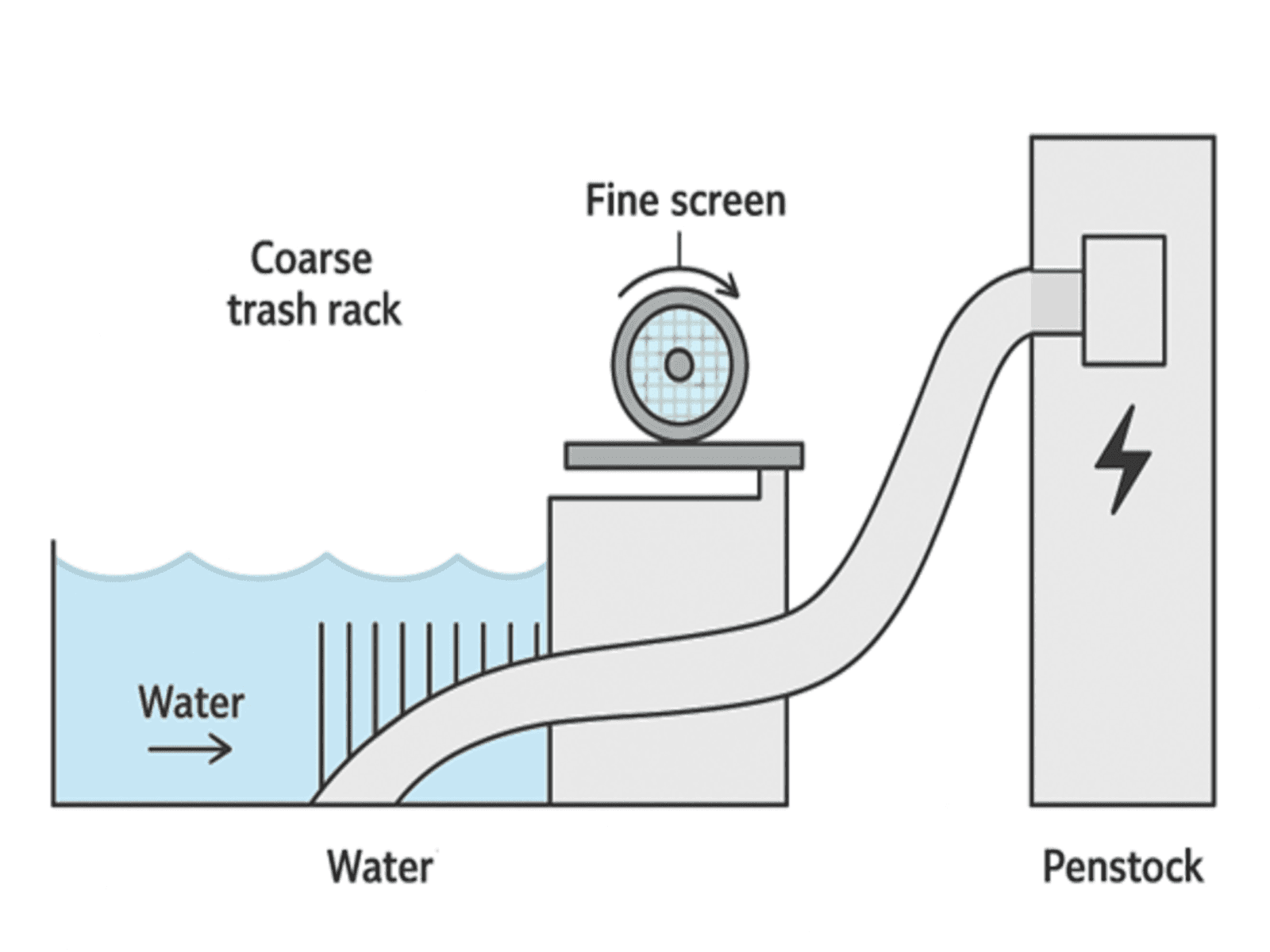
Water Filter Screens in Hydroelectric Power Stations
read more