Use of IoT, ARTIFICIAL INTELLEGENCE for COALESCER filter operation and trouble shooting
admin
1. IoT Applications in Coalescer Filter Operations
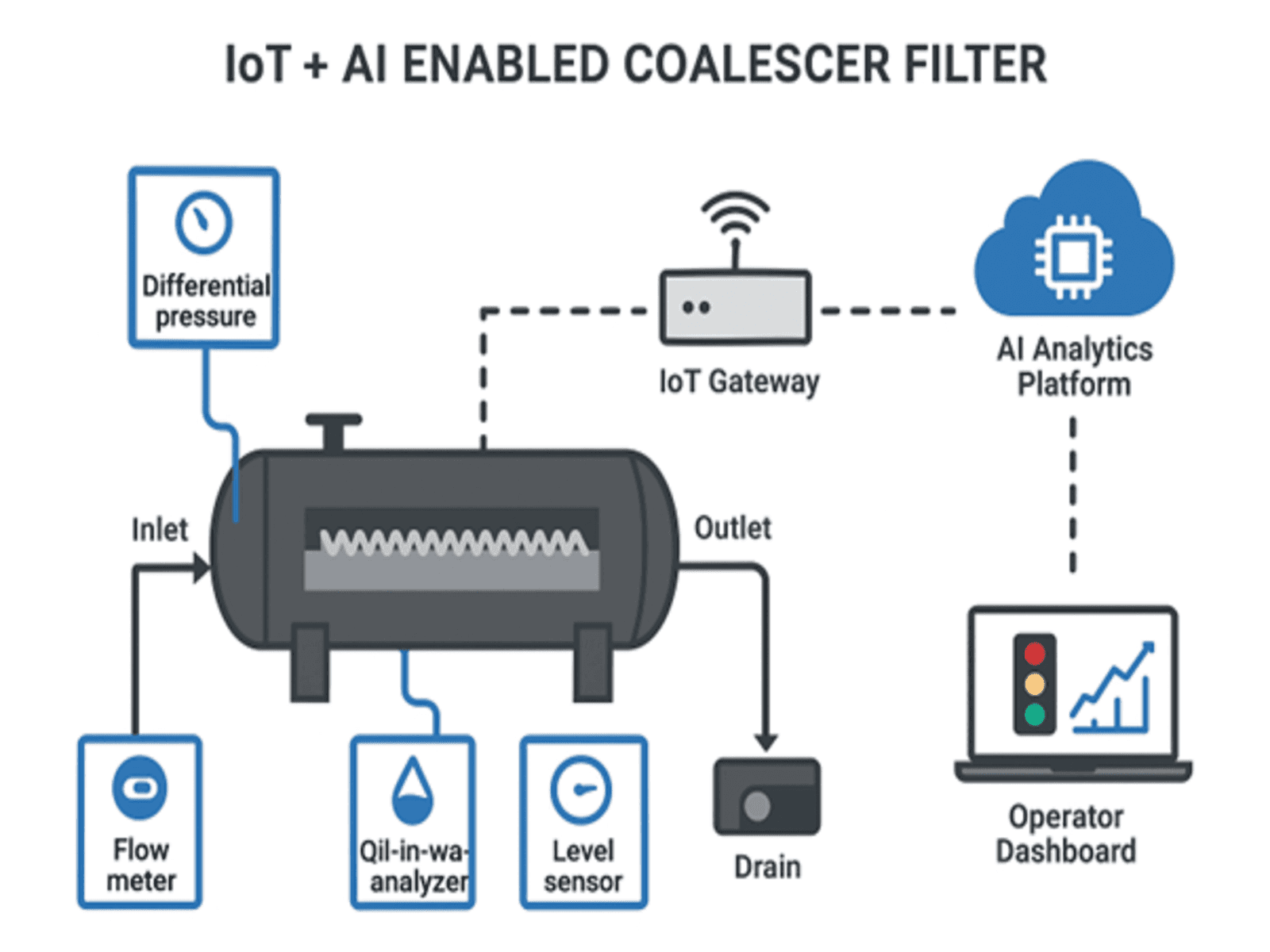
IoT brings real-time monitoring and data-driven decision making to coalescer filter systems. Sensors and networked devices allow the unit to become a smart separator.
A. Real-Time Process Monitoring
- Differential Pressure Sensors (ΔP)
- Measure pressure drop across the coalescer elements.
- IoT-enabled transmitters send live ΔP values to SCADA/DCS/cloud.
- Allows operators to see clogging trends instantly.
- Flow Rate Measurement
- Inline flow meters confirm process flow is within design limits.
- Alerts when velocity is too high (can damage elements) or too low (affects separation efficiency).
- Oil-in-Water Analyzers (Outlet Quality)
- Continuous monitoring of outlet oil content (ppm).
- Automatically triggers alarms or shuts down discharge if limits are exceeded.
- Level Sensors in Sump/Drain Section
- Detect accumulated separated oil/water levels.
- Auto-drain valves triggered by IoT-controlled actuators.
B. Asset Health Monitoring
- Vibration & Acoustic Sensors on pumps and valves in coalescer skid.
- Temperature Sensors for vessel shell and process fluid.
- Element Condition Estimation using AI models trained on ΔP, flow, and oil concentration data.
C. Remote Visibility & Control
- All data streamed to a cloud dashboard for plant managers and service contractors.
- Mobile app access for offsite engineers to check performance.
- Remote commands for auto-drain operations or adjusting valve positions.
2. Artificial Intelligence Applications
AI goes beyond monitoring — it predicts problems before they happen and optimizes performance.
A. Predictive Maintenance
- Machine learning models trained on historical ΔP, flow rate, and oil ppm data predict:
- When coalescer elements will reach end-of-life.
- When fouling is likely due to process upsets (e.g., chemical dosing errors upstream).
- Element Replacement Forecasting: AI sends maintenance teams alerts before ΔP exceeds limits.
B. Process Optimization
- AI algorithms analyze:
- Flow velocity vs. oil droplet size distribution.
- Temperature influence on viscosity and separation efficiency.
- Impact of upstream treatment chemicals (demulsifiers, flocculants).
- AI then recommends optimal flow rates and chemical dosing adjustments for best separation.
C. Fault Detection & Root Cause Analysis
- AI can detect early warning patterns such as:
- Sudden ΔP spikes → likely solids contamination upstream.
- Rising outlet oil ppm while ΔP is low → possible element bypass or seal failure.
- Frequent sump high-level alarms → improper drain cycle timing.
- Root cause analytics provided automatically, suggesting:
- Check upstream strainers.
- Inspect element gaskets.
- Adjust drain frequency.
3. IoT + AI Integration for Troubleshooting
| Problem Detected | IoT Sensor Data | AI Diagnosis | Recommended Action |
| High ΔP | ΔP transmitter shows steep rise | Solids load from upstream | Inspect upstream filters, clean coalescer elements |
| High oil in outlet | Oil-in-water sensor shows >10 ppm | Seal bypass or media damage | Shut down, inspect element seals and mesh |
| Frequent drain alarms | Level sensor shows high oil layer | Drain cycle too long | Adjust drain timing via control panel |
| Low efficiency after element change | ΔP normal but oil ppm high | Incorrect element installation | Reinstall elements correctly |
| Gradual efficiency drop | Long-term oil ppm trending up | Media fouling | Schedule chemical cleaning or replacement |
4. Benefits of IoT & AI in Coalescer Operation
- Reduced Downtime: Predictive alerts prevent unexpected shutdowns.
- Optimized Maintenance Cost: Replace elements only when truly needed.
- Improved Compliance: Continuous outlet quality monitoring ensures regulatory discharge limits are met.
- Faster Troubleshooting: AI identifies root causes from sensor patterns.
- Remote Management: Operators can adjust settings and initiate drains without being physically present.
5. Example of Smart Coalescer Architecture
Sensors:
- ΔP transmitters
- Oil-in-water analyzers
- Ultrasonic level sensors
- Flow meters
- Temperature probes
IoT Gateway:
- Connects all sensors via Modbus, Ethernet/IP, or wireless LoRaWAN.
- Sends data to cloud platform.
AI Analytics Platform:
- Uses historical + live data for predictions.
- Displays KPIs like ΔP trend, oil ppm trend, uptime, and predicted maintenance date.
Operator Dashboard:
- Accessible via web/mobile.
- Shows traffic-light system (green: optimal, yellow: watch, red: urgent action).
Related Posts
Sea Water Desalination Through Multi-Effect Distillation (MED) With Thermal Vapour Compression (TVC)
read more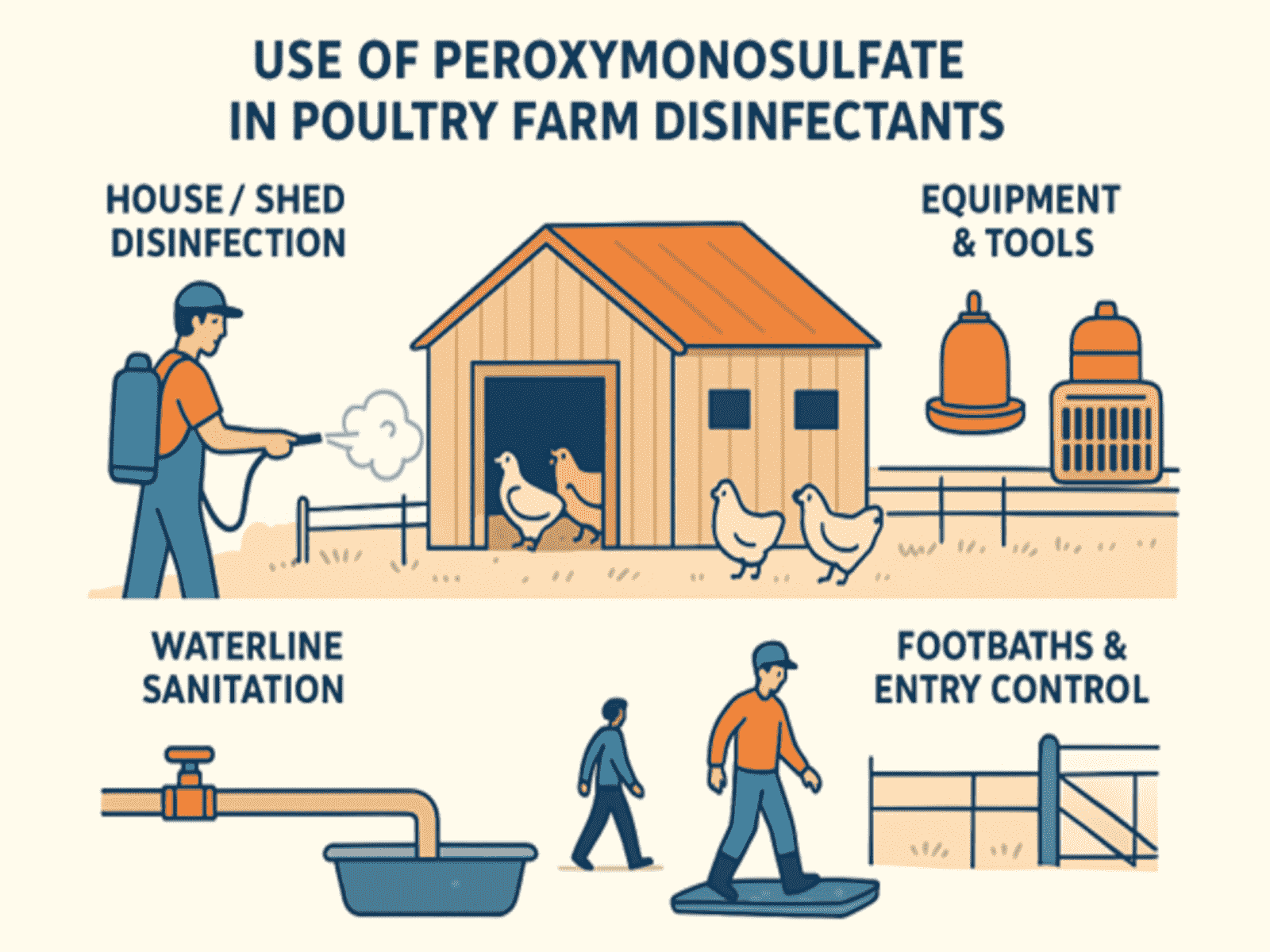
Disinfectant for Poutry Farm
read more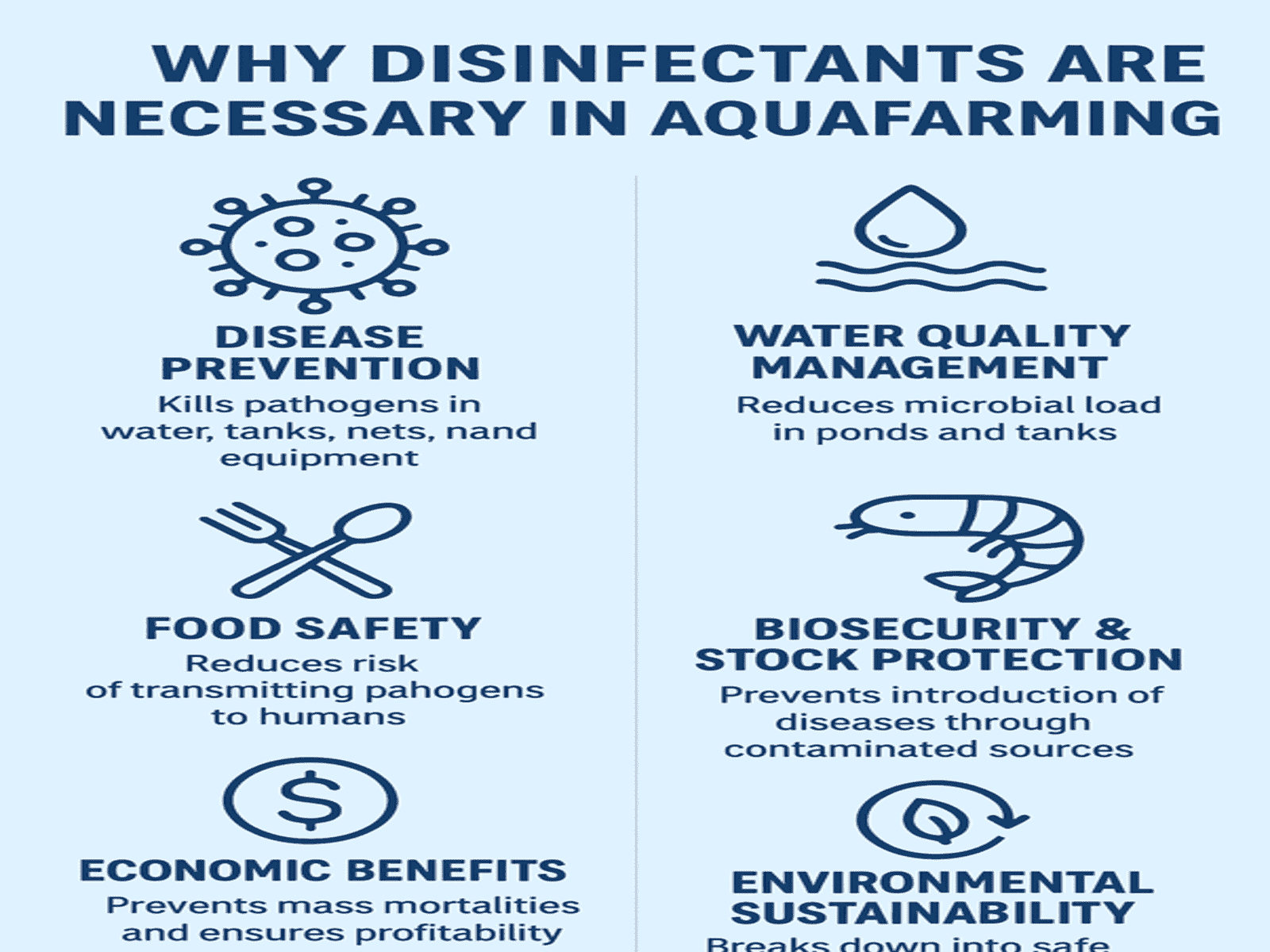
Why disinfectant is necessary for aquafarming
read more
How profitability in aquafarming depends on the use of disinfectants
read more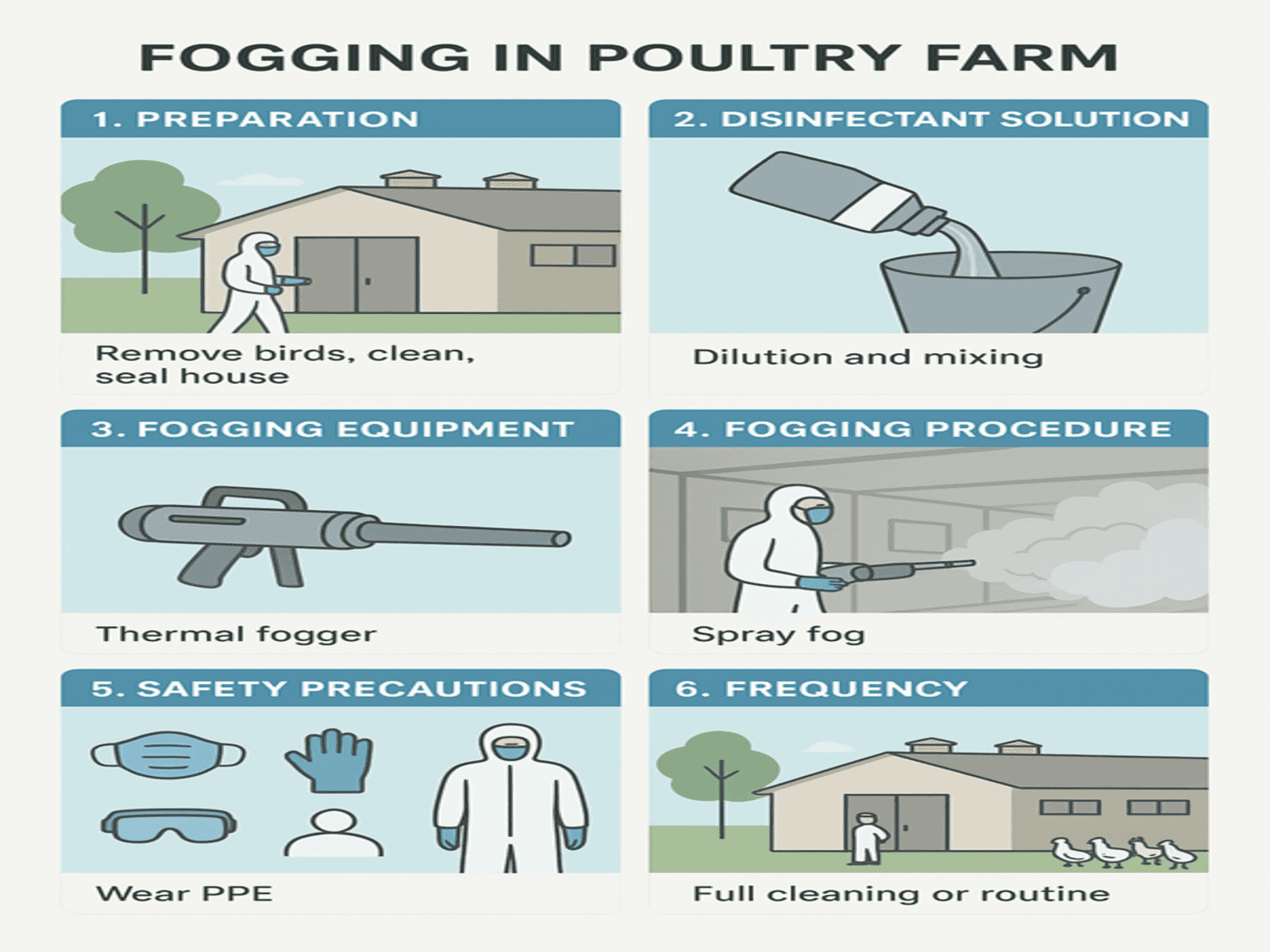
Bio Security in poultry farm—Fogging procedure of disinfectant
read more
Why Disinfectants Are Necessary in Poultry Farms
read more
Virucidal importance in disease control in AQUAFARMING
read more
Water Filter Screens in Hydroelectric Power Stations
read more