Use of Data Science in Desalination Plant Efficiency in Artificial Intelligence Usage
admin
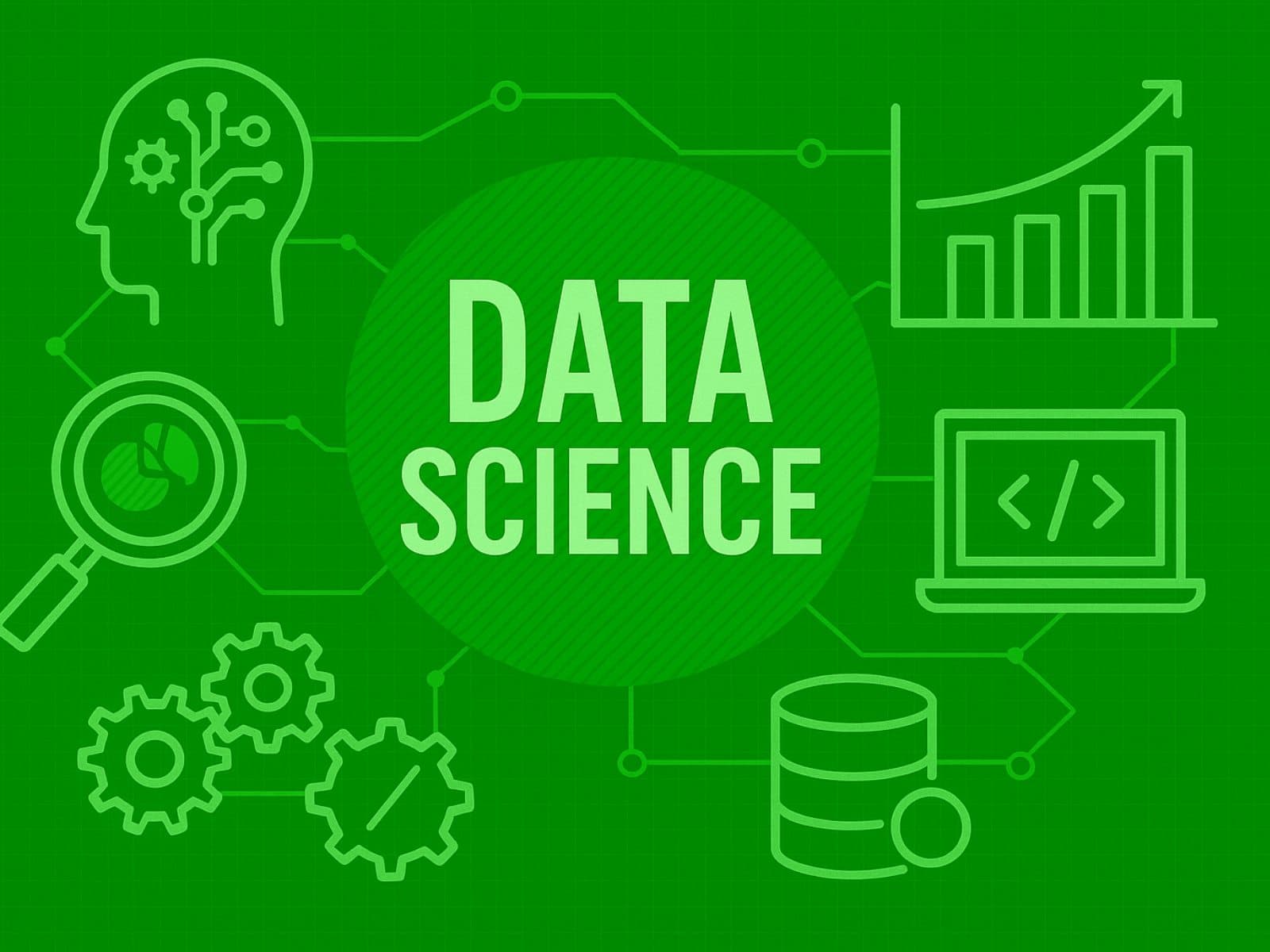
Use of Data Science in Desalination Plant Efficiency in Artificial Intelligence Usage
Introduction
Desalination plants are critical infrastructure in water-scarce regions, converting seawater or brackish water into potable water. However, these plants are energy-intensive and complex to operate efficiently. With the rise of Industry 4.0, data science has become an indispensable tool in optimizing desalination processes, reducing operational costs, increasing uptime, and ensuring high water quality. Data science leverages tools such as machine learning, statistical modeling, and real-time data analytics to drive smarter, more responsive operations.
1. Predictive Maintenance and Asset Management
Challenges Addressed:
- Unplanned downtime due to equipment failure
- High maintenance costs
- Reduced membrane and equipment life
Data Science Applications:
- Condition Monitoring using real-time sensor data
- Remaining Useful Life (RUL) Estimation
- Root Cause Analysis using historical data
Benefits:
- 20–40% reduction in unplanned maintenance
- Extension of equipment life by 10–25%
- Fewer production losses due to downtime
2. Energy Consumption Optimization
Challenges Addressed:
- High operational energy cost
- Variability in energy demand
Data Science Applications:
- Energy Profiling and Baseline Modeling
- Dynamic Optimization through AI systems
- Energy Forecasting with time-series models
Benefits:
- Up to 15% energy savings
- Lower carbon footprint
- Improved integration with renewable energy sources
3. Process Optimization and Control
Challenges Addressed:
- Suboptimal operation due to static control
- Membrane fouling, scaling, and overdosing
Data Science Applications:
- Digital Twin Technology for simulation
- Model Predictive Control (MPC)
- Multivariate Analysis for operational insights
Benefits:
- 5–10% improvement in water recovery
- Reduction in chemical use
- Enhanced process stability
4. Water Quality Assurance and Compliance
Challenges Addressed:
- Variability in feedwater quality
- Risk of non-compliance
Data Science Applications:
- Real-Time Quality Monitoring
- Adaptive Control of Pre-treatment
- Predictive Quality Models
Benefits:
- Fewer quality violations
- Reduced lab testing
- Improved public trust
5. Demand Forecasting and Operational Planning
Challenges Addressed:
- Demand-supply mismatch
- Overproduction and inefficiencies
Data Science Applications:
- Water Demand Prediction
-Production Scheduling Optimization
- Smart Resource Allocation
Benefits:
- Better demand alignment
- Reduced inefficiencies
- Greater resilience during peaks
6. Environmental Monitoring and Impact Reduction
Challenges Addressed:
- Marine ecosystem damage from brine
- High greenhouse gas emissions
Data Science Applications:
- Brine Management Models
- Carbon Footprint Tracking
- Circular Economy Optimization
Benefits:
- Better environmental compliance
- Resource recovery opportunities
- Sustainability improvements
7. Integration with SCADA, IoT, and Cloud Platforms
Challenges Addressed:
- Disconnected systems
- Delayed decision-making
Data Science Applications:
- IoT-Enabled Smart Sensors
- Cloud-Based Analytics Platforms
- AI-Enhanced SCADA Systems
Benefits:
- Real-time operational insights
- Centralized monitoring
- Scalable infrastructure
Conclusion
Data science is revolutionizing the desalination sector by unlocking new levels of efficiency, reliability, and sustainability. From predictive maintenance and energy optimization to water quality monitoring and environmental management, data-driven technologies are enabling smart, resilient, and cost-effective desalination operations. Integrating machine learning, AI, and IoT into the design and operation of desalination plants is essential for utilities and industries aiming to meet growing water demand sustainably.
Related Posts
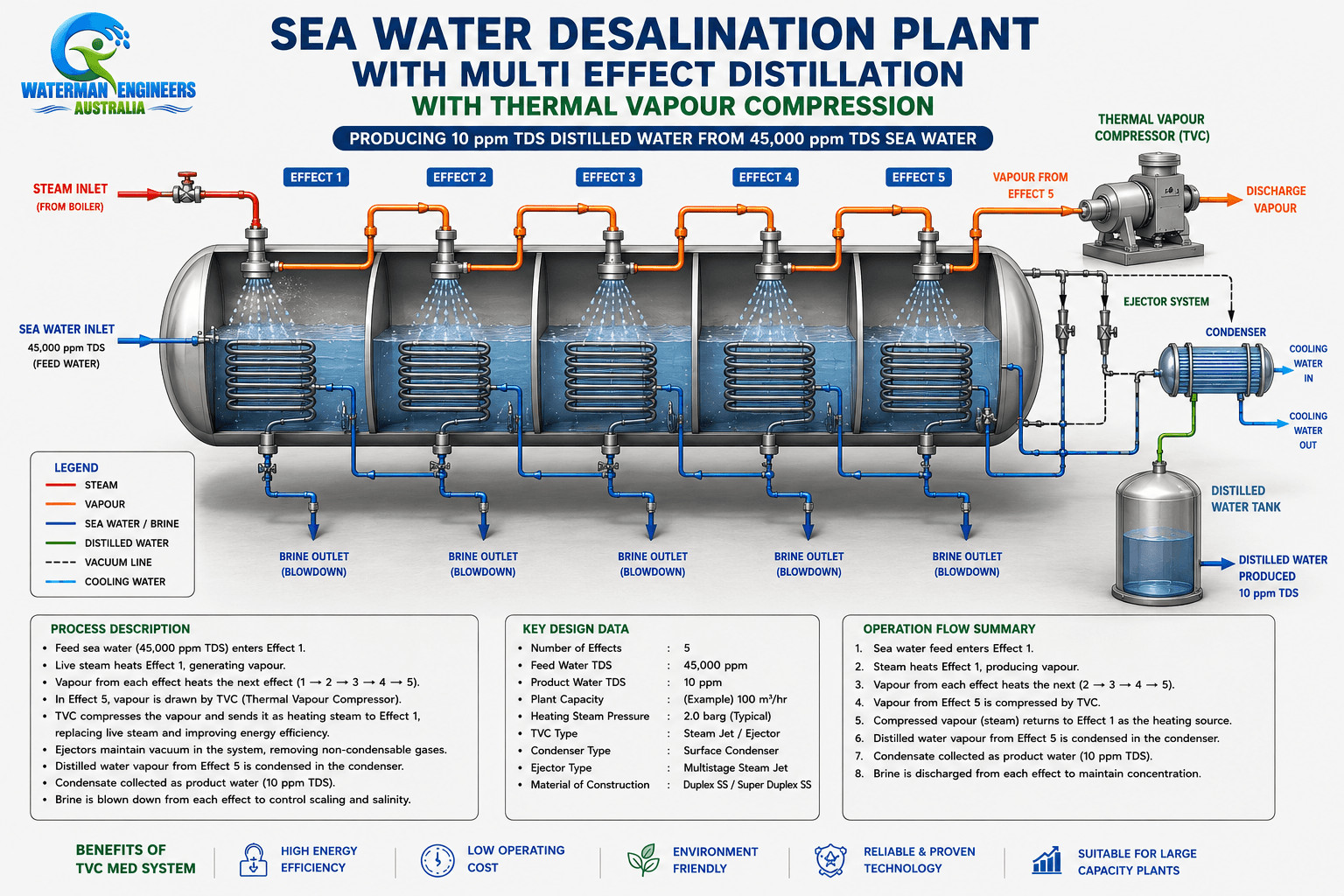
Sea Water Desalination Through Multi-Effect Distillation (MED) With Thermal Vapour Compression (TVC)
read more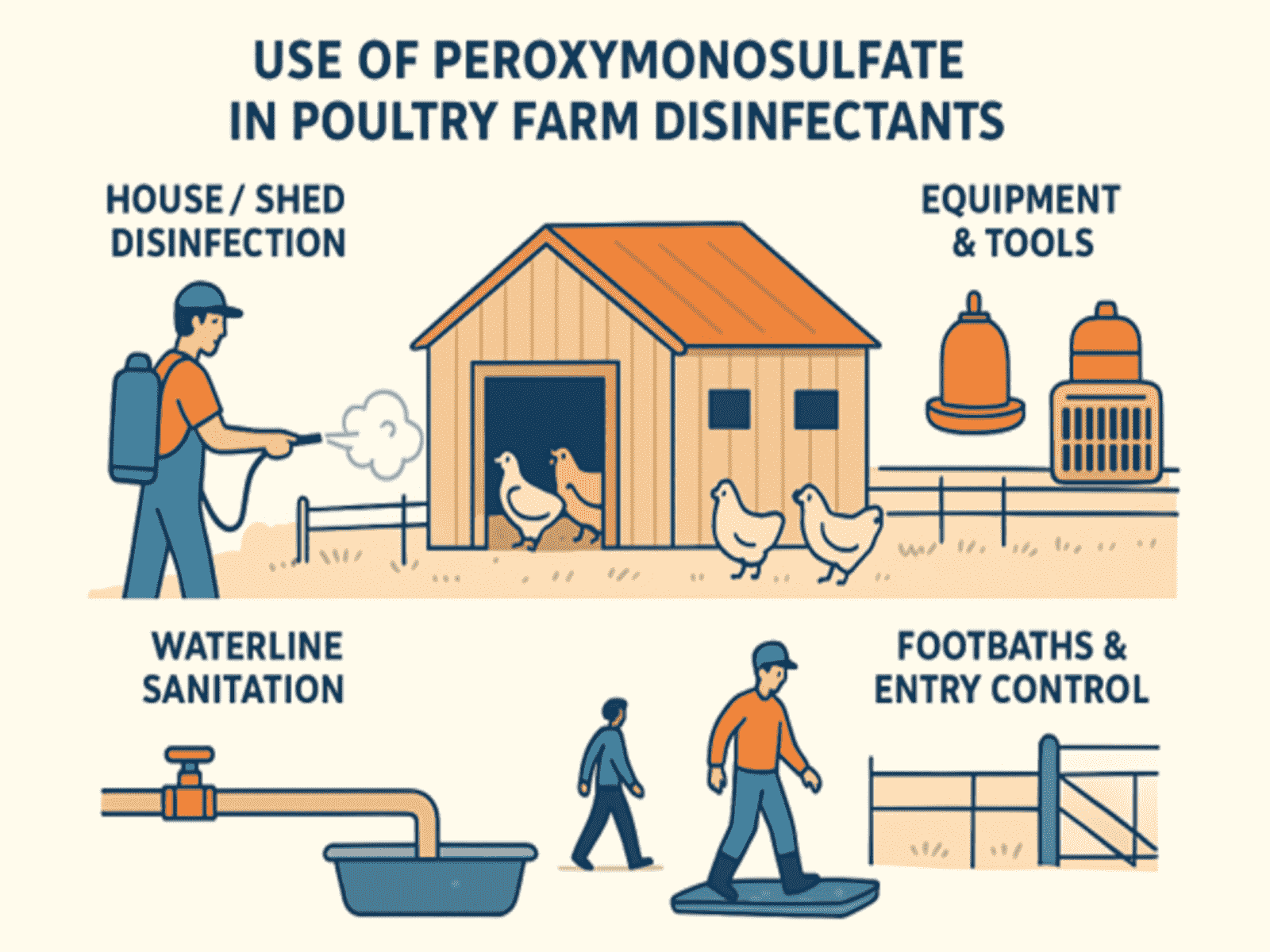
Disinfectant for Poutry Farm
read more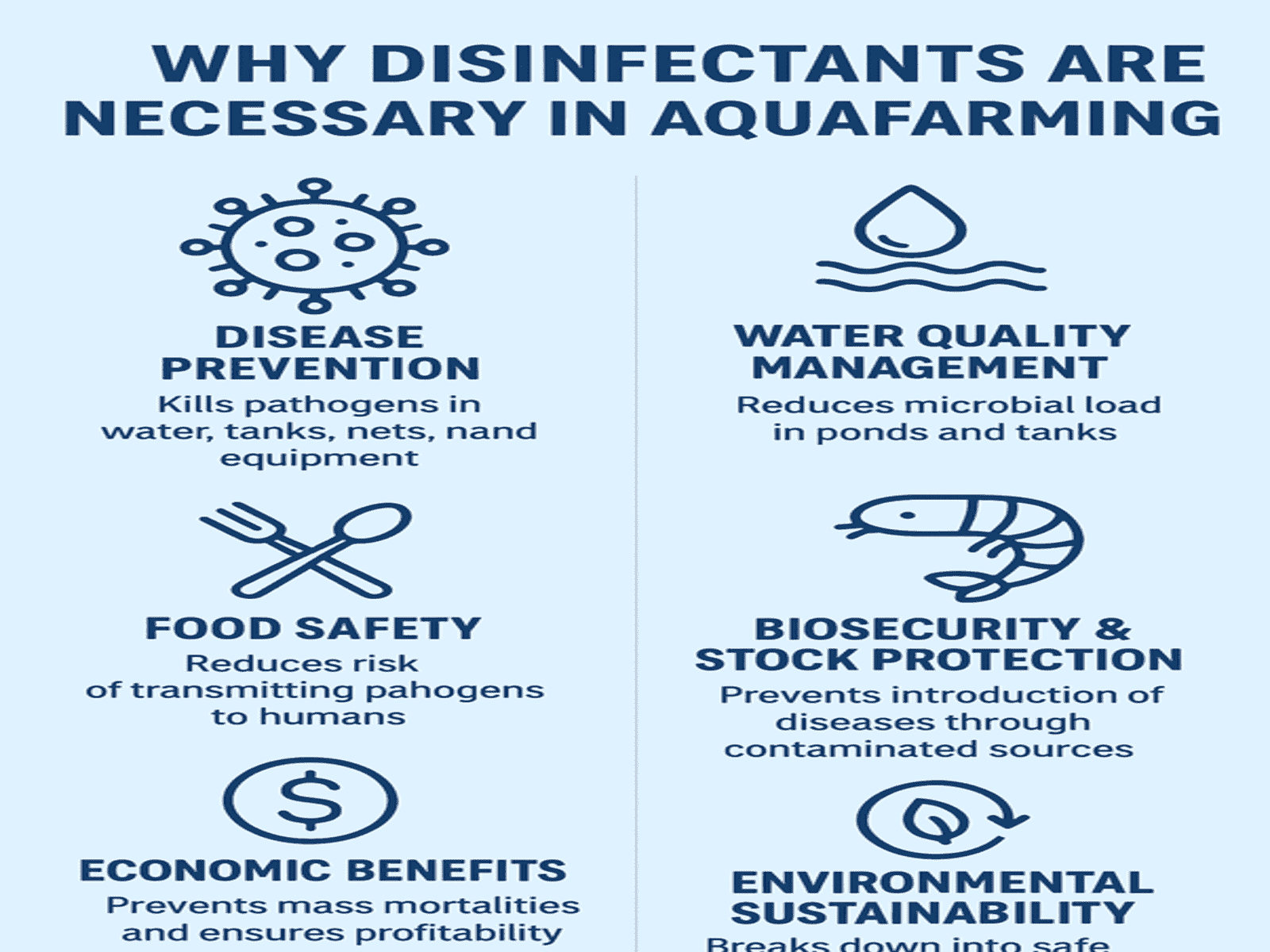
Why disinfectant is necessary for aquafarming
read more
How profitability in aquafarming depends on the use of disinfectants
read more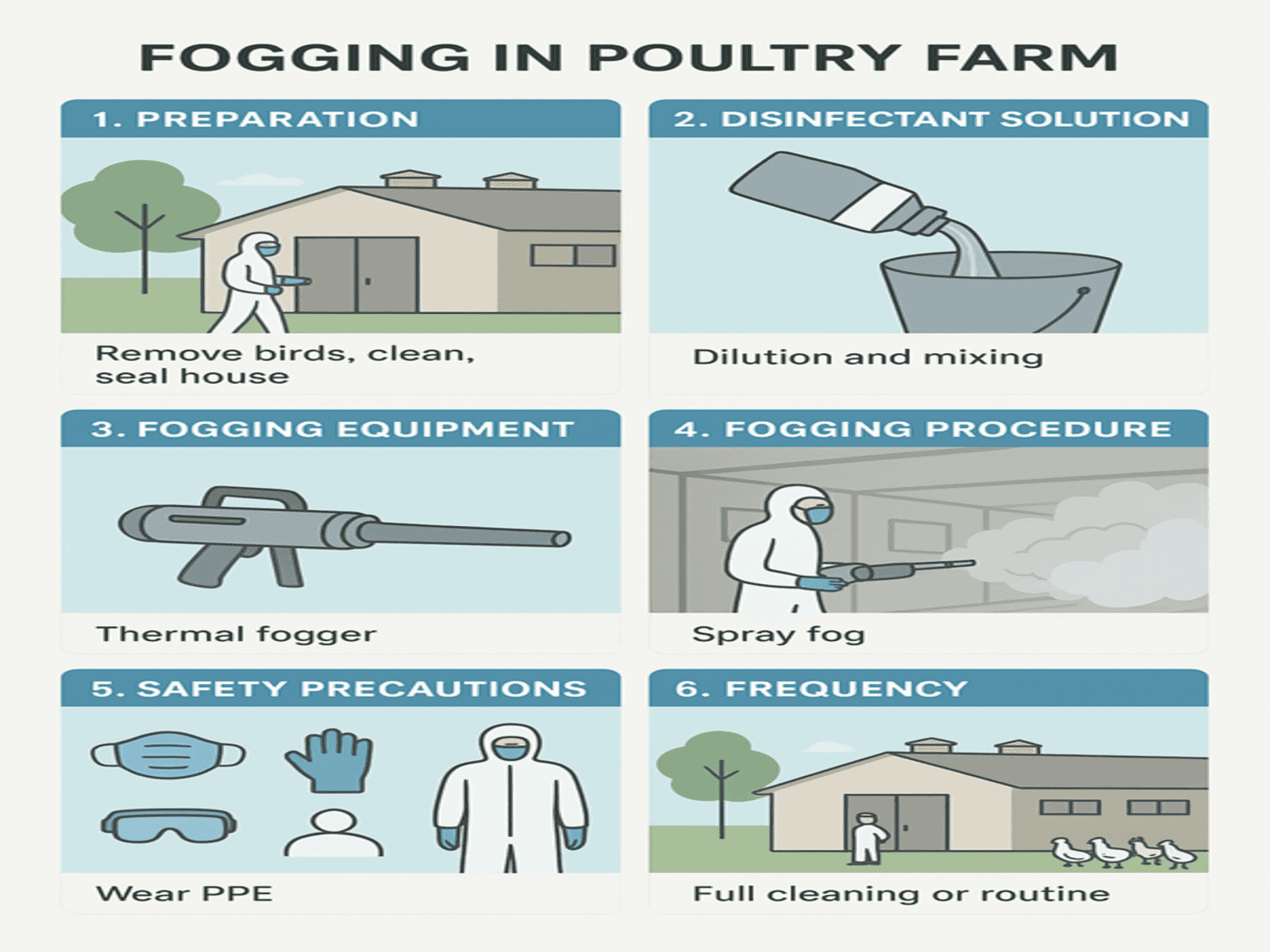
Bio Security in poultry farm—Fogging procedure of disinfectant
read more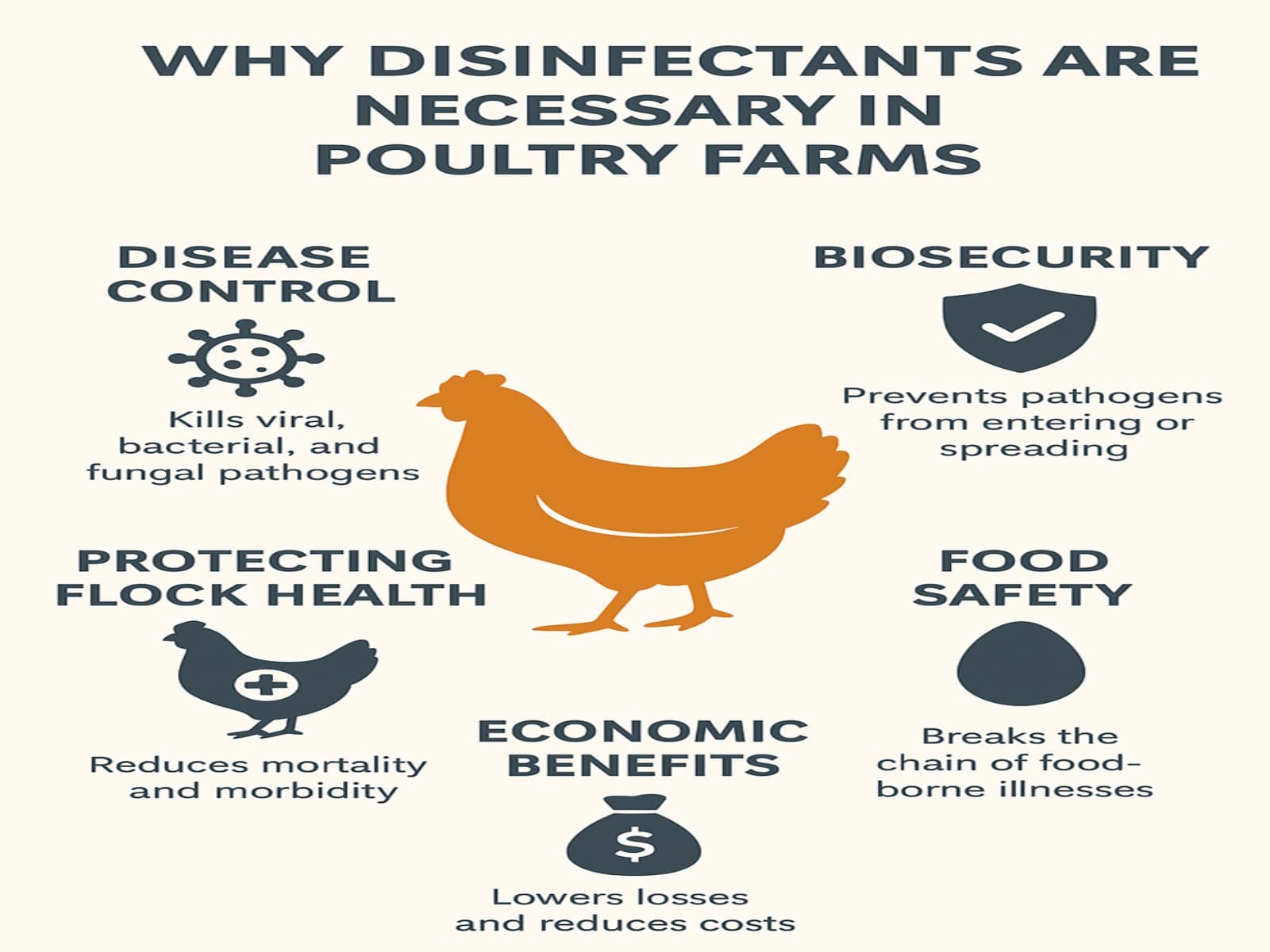
Why Disinfectants Are Necessary in Poultry Farms
read more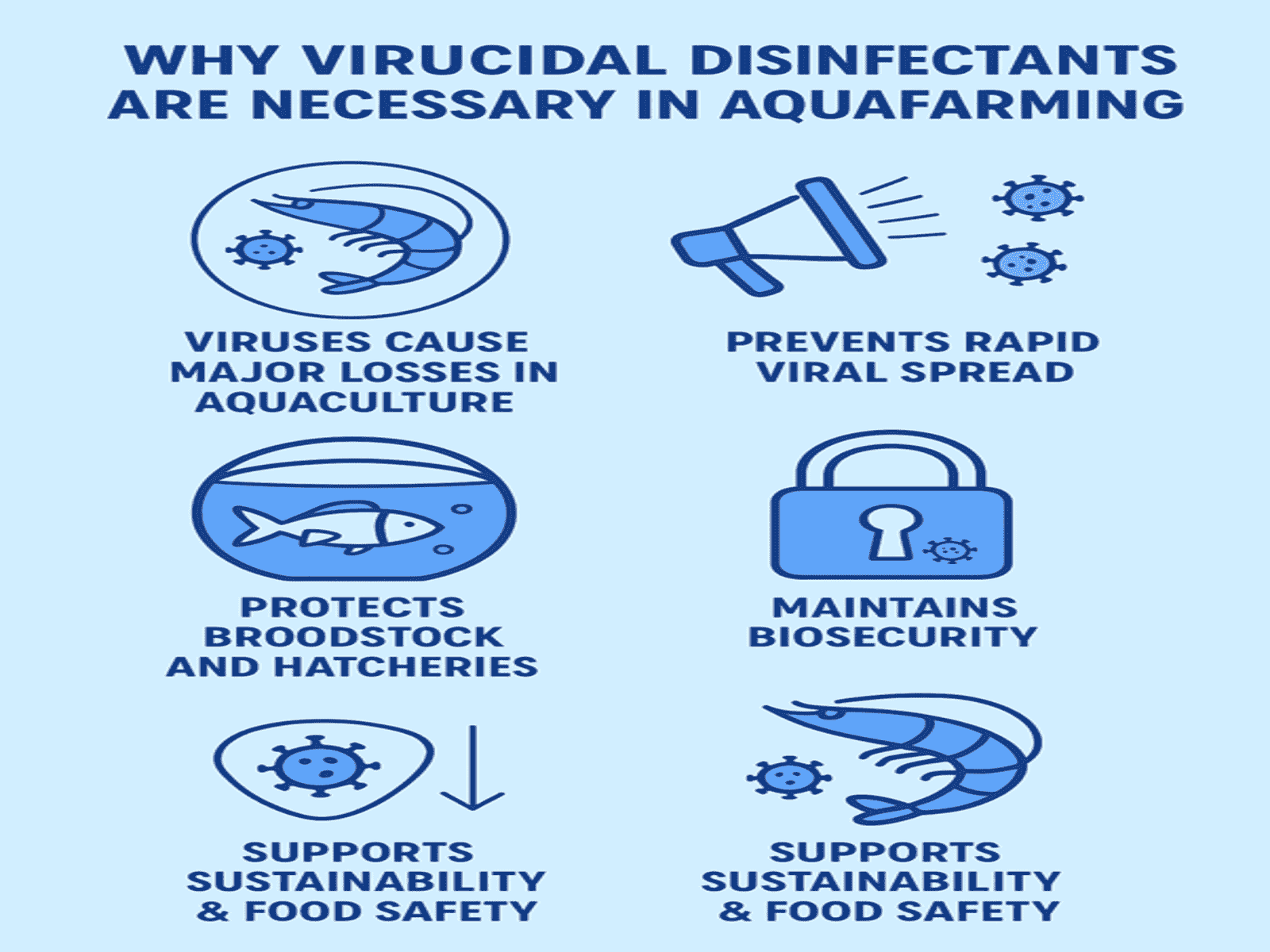
Virucidal importance in disease control in AQUAFARMING
read more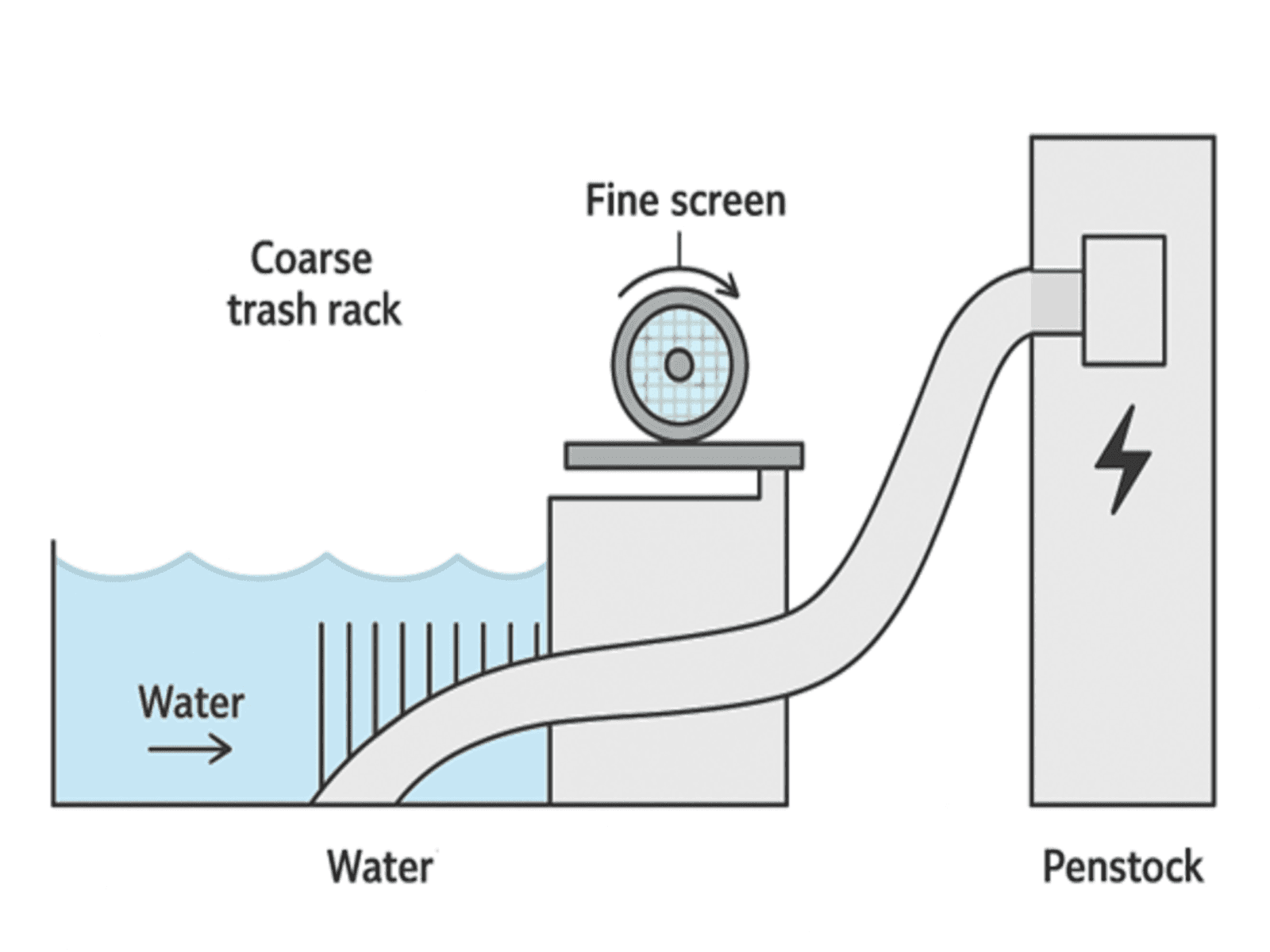
Water Filter Screens in Hydroelectric Power Stations
read more