Rotary Drum Screens in Hydropower Plants
admin
⚙️ Rotary Drum Screens in Hydropower Plants
🔎 What is a Rotary Drum Screen?
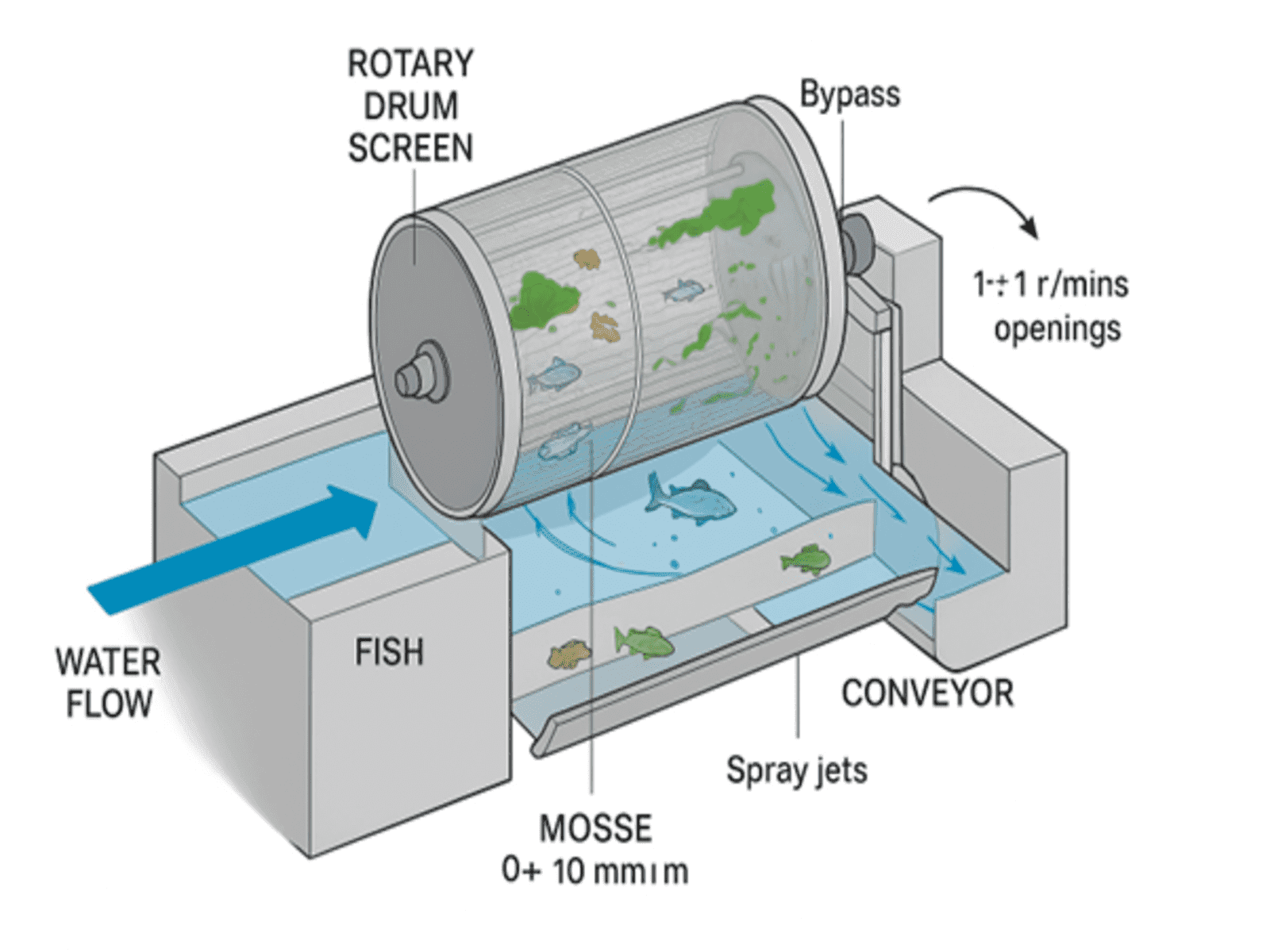
A rotary drum screen is a cylindrical drum with fine mesh or wedge-wire panels that rotates slowly in the water intake channel. Water passes through the screen into the intake → fish, moss, and debris are blocked and guided to a bypass → clean water enters the turbine.
Working Principle
- Water Flow
- Water enters the drum’s submerged portion.
- Screen mesh (slots 1–10 mm depending on target species) allows water through but blocks fish and debris.
- Fish Guidance
- Fish encounter the rotating drum surface.
- Flow and rotation guide them to a bypass channel alongside the drum.
- Self-Cleaning
- As the drum rotates upward, spray jets or brushes clean off trapped moss, algae, and debris.
- Waste is collected in troughs and conveyed away.
📏 Design Features
- Drum Size: Large diameter (2–6 m typical) and width up to several meters.
- Screen Material: Stainless steel wedge-wire or perforated mesh.
- Slot Size: Fine openings (1–2 mm for juveniles, 6–10 mm for larger fish).
- Rotation: Slow (1–5 rpm), powered by water current or motors.
- Bypass Location: Adjacent to drum for easy fish entry.
🐟 Role in Fish Protection
- Prevents fish from being drawn into turbines.
- Guides fish gently to bypass with low stress and high survival (>95%).
- Especially effective for juvenile salmonids, smolts, and eels, which follow surface flows.
🌱 Role in Moss & Debris Removal
- Removes floating moss, algae mats, and leaves before they clog penstocks.
- Continuous cleaning system reduces downtime and labor.
- Maintains hydraulic efficiency of intake flow.
✅ Advantages
- High fish protection efficiency (meets US NOAA / EU WFD standards).
- Automatic self-cleaning → low manual maintenance.
- Handles large debris + fine moss
- Long lifespan (stainless steel construction).
- Works in variable water levels and flows
⚠️ Limitations
- High capital cost compared to fixed bar screens.
- Needs reliable power or flow for drum rotation.
- Requires spray water system for cleaning.
- Performance depends on correct approach velocity design (≤ 0.3 m/s for juveniles).
🌍 Example Applications
- Columbia River (USA): Rotary drum screens protect juvenile salmon downstream of dams.
- UK Small Hydro Plants: Used for eel and trout protection at intakes.
- Norway & Germany: Installed for both fish safety and algae removal in alpine rivers.
✅ In summary:
Rotary drum screens are self-cleaning, rotating fish protection and debris removal systems at hydropower intakes. They ensure safe fish bypass, prevent turbine clogging from moss/algae, and maintain continuous operation with minimal manual cleaning.
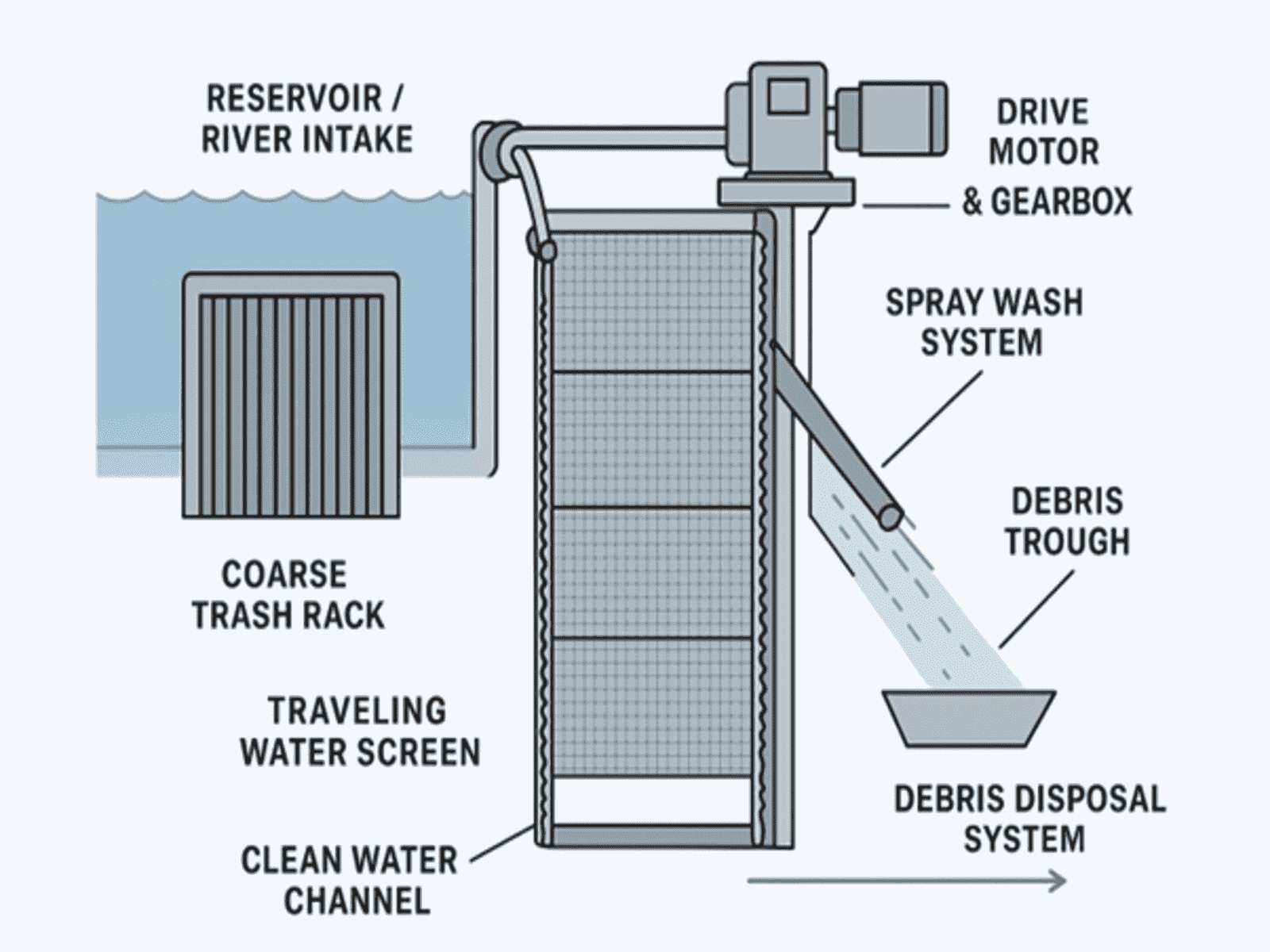
Excellent request 👍 Let’s compare Rotary Drum Screens and Traveling Water Screens, since both are widely used in hydropower intakes for fish protection and debris/moss removal.🔄 Comparison: Rotary Drum Screen vs. Traveling Water Screen
| Feature | Rotary Drum Screen | Traveling Water Screen |
| Basic Design | Large cylindrical drum (2–6 m dia.), rotates slowly in water. | Vertical conveyor-like screen with mesh panels attached to chains, moving upward and downward. |
| Screen Surface | Continuous curved drum surface. | Flat panels moving vertically. |
| Operation | Water flows through drum → fish/debris blocked → fish guided to bypass → debris washed off by spray jets. | Water flows through vertical screen panels → debris lifted out of water → high-pressure sprays remove debris at deck level. |
| Self-Cleaning | Automatic via drum rotation + spray jets. | Automatic via moving panels + spray wash at top. |
| Fish Protection | Very high survival (>95%). Fish gently guided to side bypass. Best for juvenile salmonids, eels. | Effective if approach velocity ≤0.3 m/s. Fish lifted away from intake but sometimes exposed to mechanical stress at spray wash. |
| Debris & Moss Handling | Excellent for moss, algae mats, floating debris. Drum keeps continuous removal. | Good for large debris (sticks, trash, leaves). Less effective for fine moss/algae unless frequent cleaning. |
| Bypass Integration | Direct lateral bypass channel adjacent to drum. | Fish bypass chute or sluice integrated near screen face. |
| Energy Use | Low (slow rotation, only spray pumps). | Moderate (continuous chain drive + spray pumps). |
| Maintenance | Simple, fewer moving parts. Long life (stainless steel drum). | More moving parts (chains, sprockets). Higher mechanical wear. |
Related Posts
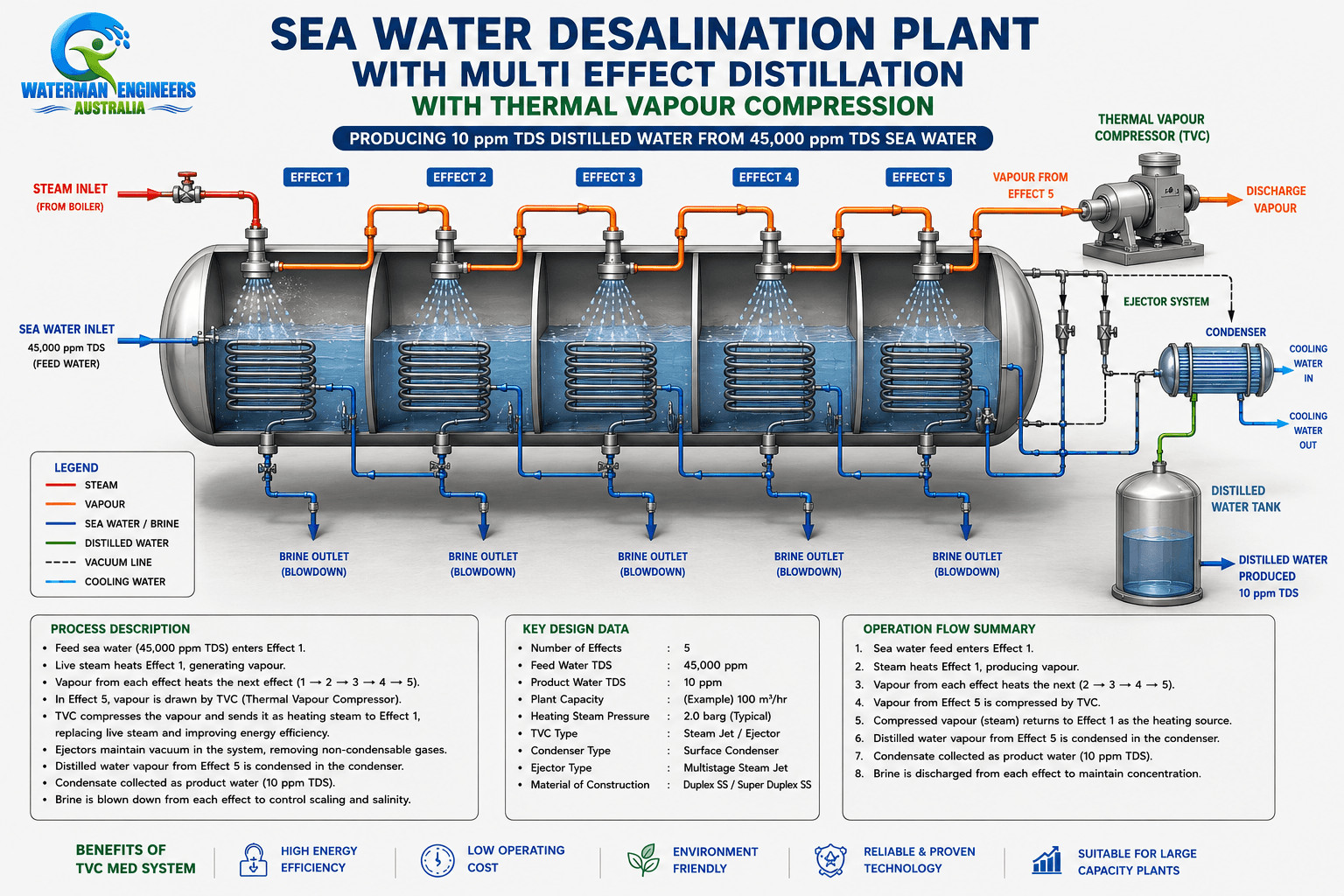
Sea Water Desalination Through Multi-Effect Distillation (MED) With Thermal Vapour Compression (TVC)
read more
Disinfectant for Poutry Farm
read more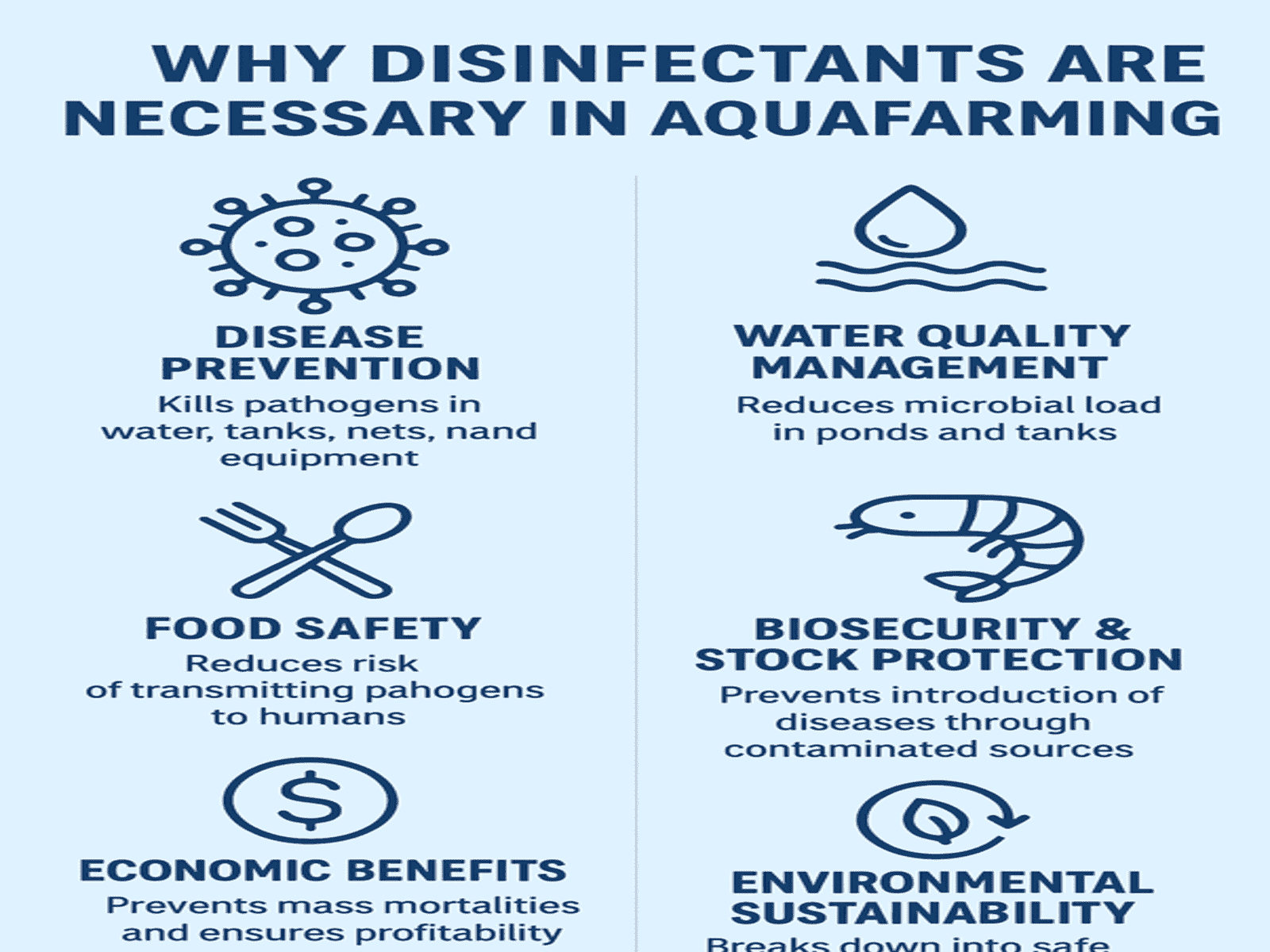
Why disinfectant is necessary for aquafarming
read more
How profitability in aquafarming depends on the use of disinfectants
read more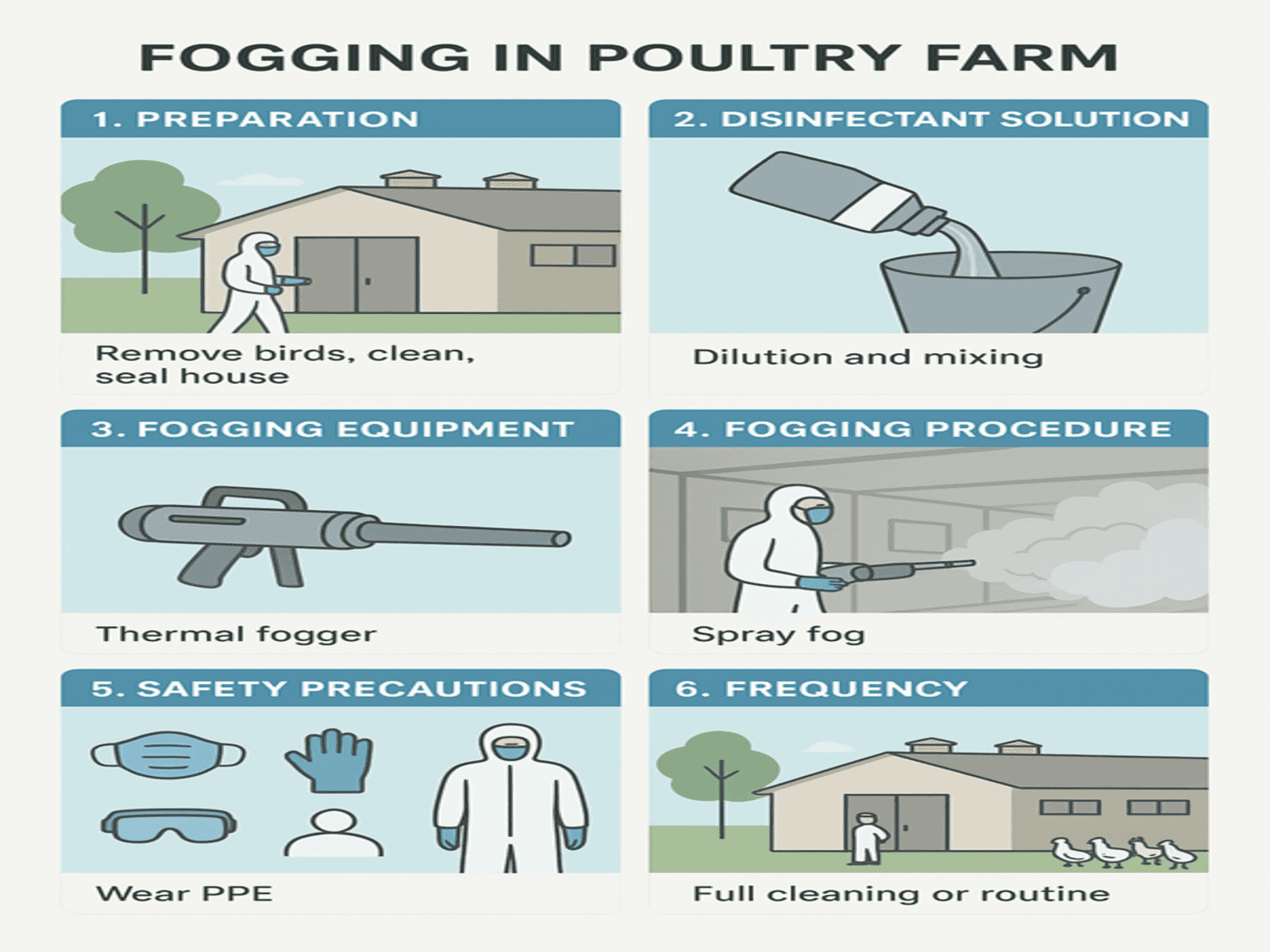
Bio Security in poultry farm—Fogging procedure of disinfectant
read more
Why Disinfectants Are Necessary in Poultry Farms
read more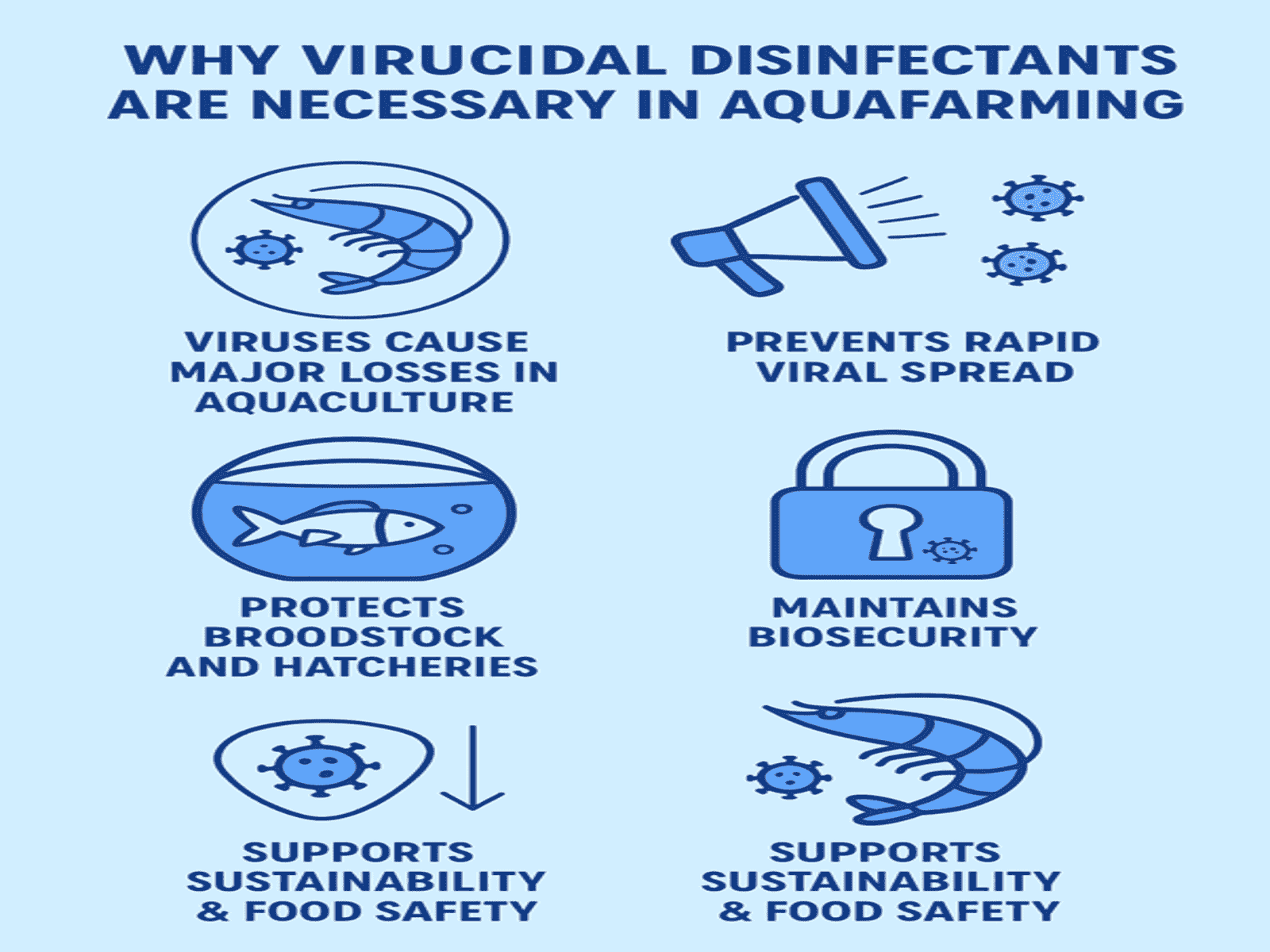
Virucidal importance in disease control in AQUAFARMING
read more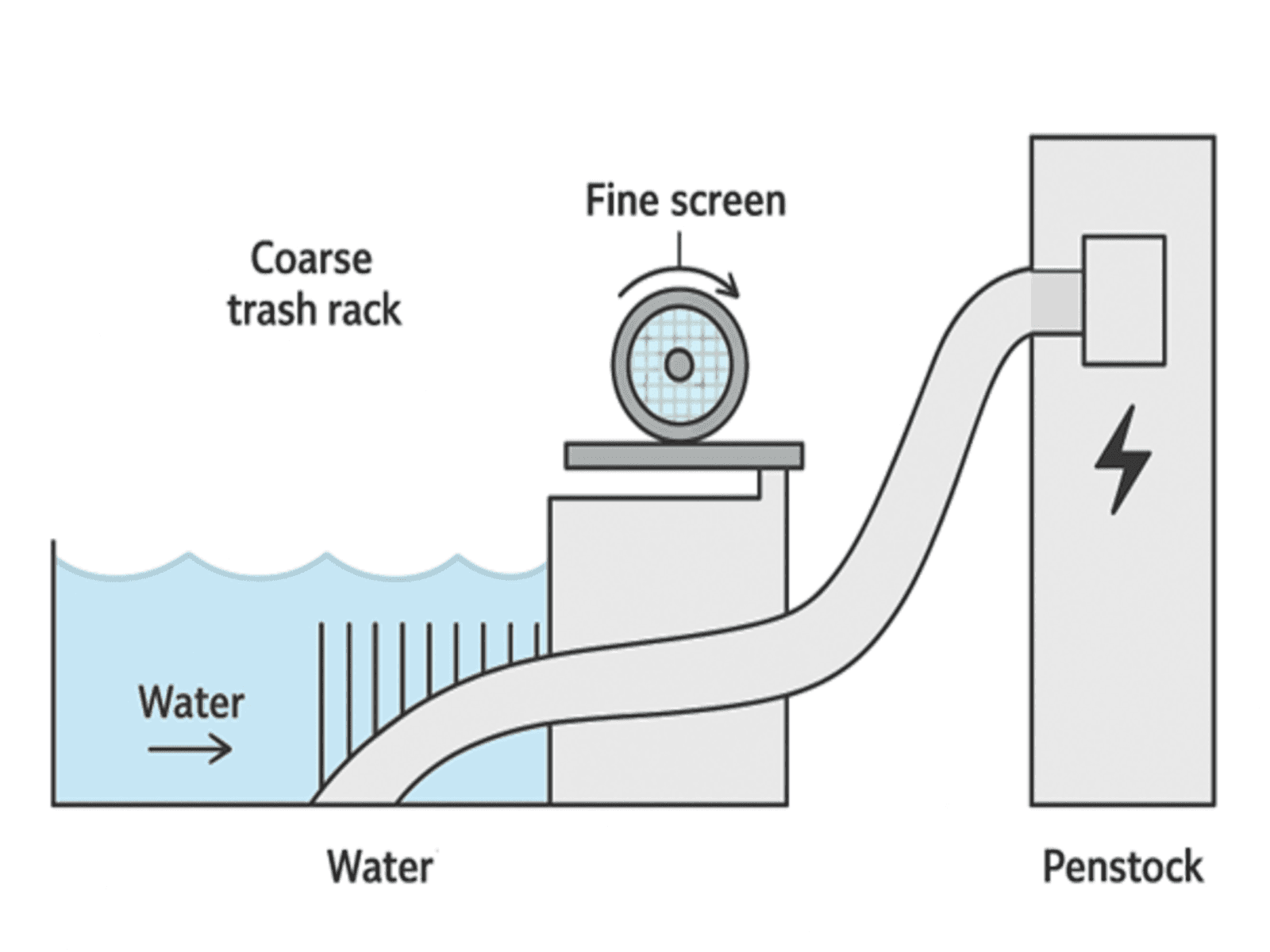
Water Filter Screens in Hydroelectric Power Stations
read more