RADIATOR FIN FAN COOLER MANUFACTURER
admin
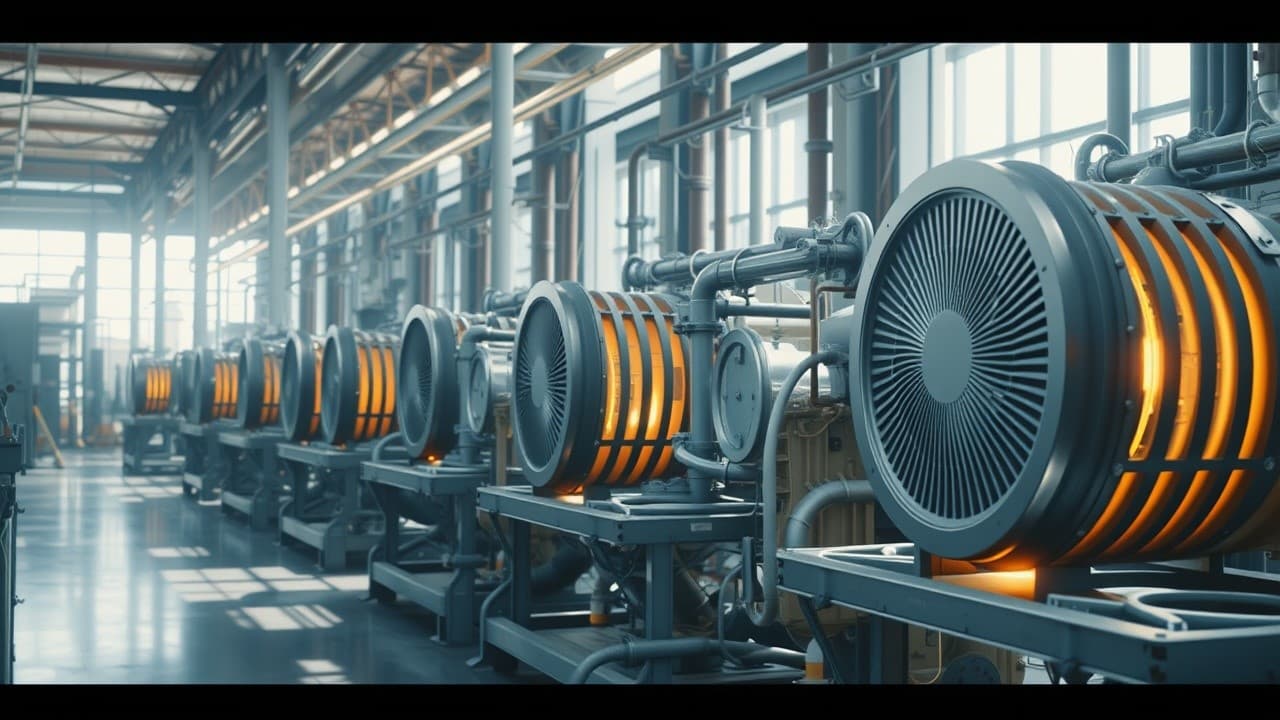
Heat in all industrial operations is highly important for ensuring that all equipment operates within its optimum working conditions and maintains the safety of operation. The Radiator Fin Fan Cooler, one of the most resourceful and widely applied heat exchangers in industry, is very efficient at cooling fluids and keeping machinery within safe temperature ranges. Waterman Engineers Australia is the engineering company recognized to give great technical facilities, and it offers services related to design, installation, and servicing on radiator fin fan coolers involved in various industrial sectors. The article elaborates on the intricacies involving various components, instruments, mechanisms, and working concepts of the radiator fin fan cooler, hence explaining its great importance in diversified applications.Components and Design Structure
The Radiator Fin Fan Cooler consists of many key parts that comprise an overall system designed to optimize cooling. Every component is designed for strength and efficiency so the system can withstand the harshness of heavy-industry applications.
a.Radiator Core
It is the main core of the cooler and comprises several tubes and fins. In turn, the hot fluid flows through the tubes, but the fins enhance greater heat dissipation by increasing the exposed surface area to air. Typical materials for the core are aluminum, copper, or their alloys—high thermal conductivity and resistance to corrosive actions.
b.Fins
Thin metal sheets joined to the tubes, fins increase contact area between the fluid and air for maximum heat transfer. Depending on their application, fin density and geometry can be tuned to suit specific needs of the heat transfer. Waterman Engineers Australia deploys the latest materials and techniques in precision engineering in designing the fins, which undergo rigorous testing to withstand difficult environments for maximum cooling.
c.Fans
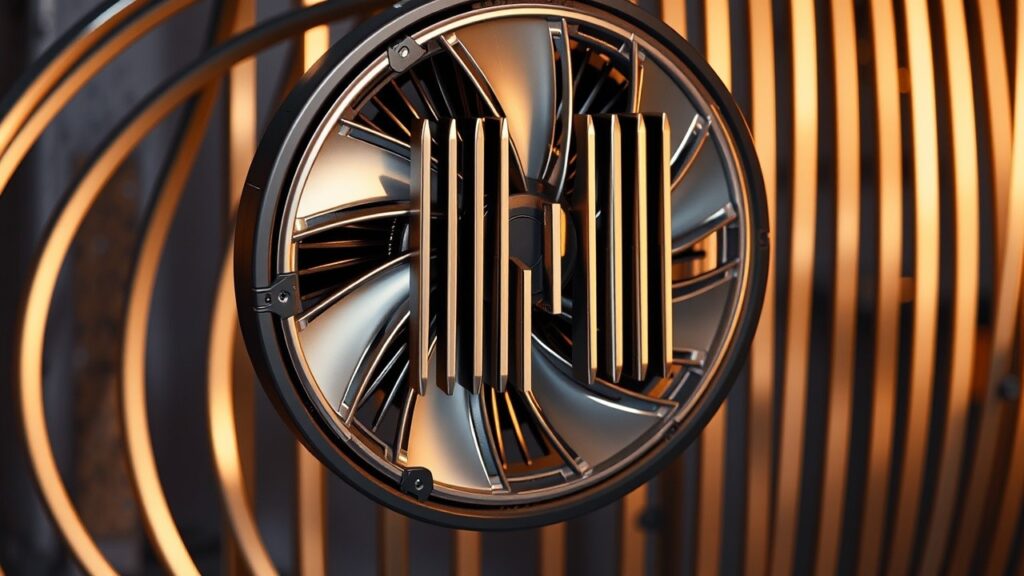
The fans force the air across the radiator core, thus speeding up the heat transfer process. Usually, they are electric motor operated and installed in strategic locations that ensure the distribution of airflow is uniform. The fans applied by Waterman Engineers Australia to the Radiator Fin Fan Coolers are energy-efficient and lightweight. They apply across industries to various operational needs.
d.Headers and Tanks
Headers distribute the fluid evenly along the tubes, and the tanks collect it at the far end of the processes. All these parts can withstand high-pressure fluids and are produced using materials that ensure minimal leakages and corrosion.
e.Frame and Supports
The radiating system is mounted on a sturdy frame that resists mechanical stresses from fan vibration and fluid pressure. Waterman Engineers Australia fabricates strong, robust frames according to spatial constraints and operational needs of specific installations.
 Instrumentation and Control
Precise control and monitoring are essential for maintaining the efficiency of the Radiator Fin Fan Cooler and preventing overheating. The system instrumentation has proven to be a crucial feature in automating temperature regulation, optimizing performance, and ensuring safe operation.
i.Temperature Sensors
These sensors monitor the fluid entering and exiting the radiator core. From this data, operators can change fan speed or fluid flow to maximize cooling. High-accuracy sensors provided by Waterman Engineers Australia are specifically designed for such extreme conditions to provide accurate readings in such conditions.
ii.Pressure Gauges
Pressure gauges are installed in order to monitor fluid pressure within the system. Any rise in pressure indicates blockages and possible mechanical malfunction, which might lead to system failure. Waterman Engineers Australia incorporates high-quality pressure gauges with real-time pressure readings, where measures to correct the problem can be taken immediately.
iii.Flow Meters
It is important for the system to monitor fluid flow in order to maintain a consistent cooling potential. To maintain appropriate flow rates throughout the process, flow meters are incorporated into the system. In addition, adjustments allow matching of heat load fluctuations without efficiency being compromised.
iv.Fan Speed Controllers
Then, the fan speed regulators control the running of the fan with regards to temperature and pressure information. The component reduces energy consumption because it adjusts the fan speed depending on cooling demand and prolongs the life span of the equipment. In addition, its controllers, Waterman Engineers Australia, apply more advanced electronics in the whole operation to enable control by the operators.
Process Mechanism and Working Principle
The mechanism of the Radiator Fin Fan Cooler is quite simple but the most efficient one as it deals with conduction, convection, and forced air cooling.
a.Heat Transfer Through Conduction and Convection
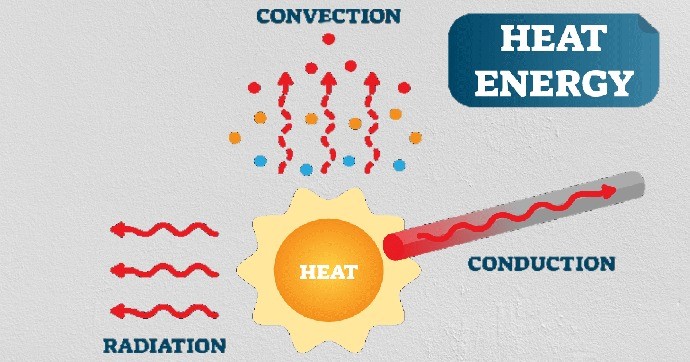
In the radiators, hot fluid flowing through the radiator tubes transfers heat to the tube walls as the fluid flows through. That heat is conducted along the fins attached to the tube. Since the fins have a larger surface area, the heat is dispersed via convection by transferring it to the surrounding air. Waterman Engineers Australia optimizes this by engineering its radiator tubes and fins with ideal material properties and thickness for constituting speedy and effective heat transfer.
Instrumentation and Control
Precise control and monitoring are essential for maintaining the efficiency of the Radiator Fin Fan Cooler and preventing overheating. The system instrumentation has proven to be a crucial feature in automating temperature regulation, optimizing performance, and ensuring safe operation.
i.Temperature Sensors
These sensors monitor the fluid entering and exiting the radiator core. From this data, operators can change fan speed or fluid flow to maximize cooling. High-accuracy sensors provided by Waterman Engineers Australia are specifically designed for such extreme conditions to provide accurate readings in such conditions.
ii.Pressure Gauges
Pressure gauges are installed in order to monitor fluid pressure within the system. Any rise in pressure indicates blockages and possible mechanical malfunction, which might lead to system failure. Waterman Engineers Australia incorporates high-quality pressure gauges with real-time pressure readings, where measures to correct the problem can be taken immediately.
iii.Flow Meters
It is important for the system to monitor fluid flow in order to maintain a consistent cooling potential. To maintain appropriate flow rates throughout the process, flow meters are incorporated into the system. In addition, adjustments allow matching of heat load fluctuations without efficiency being compromised.
iv.Fan Speed Controllers
Then, the fan speed regulators control the running of the fan with regards to temperature and pressure information. The component reduces energy consumption because it adjusts the fan speed depending on cooling demand and prolongs the life span of the equipment. In addition, its controllers, Waterman Engineers Australia, apply more advanced electronics in the whole operation to enable control by the operators.
Process Mechanism and Working Principle
The mechanism of the Radiator Fin Fan Cooler is quite simple but the most efficient one as it deals with conduction, convection, and forced air cooling.
a.Heat Transfer Through Conduction and Convection
In the radiators, hot fluid flowing through the radiator tubes transfers heat to the tube walls as the fluid flows through. That heat is conducted along the fins attached to the tube. Since the fins have a larger surface area, the heat is dispersed via convection by transferring it to the surrounding air. Waterman Engineers Australia optimizes this by engineering its radiator tubes and fins with ideal material properties and thickness for constituting speedy and effective heat transfer.
 b.Forced Air Cooling
For the fans that are placed beside or at the rear of the core, it implies constant airflow across the fins. When the flow accelerates, the rate of heat transfer increases to enable the liquid to cool much better. As a result of the increased system capacity to accommodate all heat load variations, regulation of fan speeds promotes overall energy efficiency. Waterman Engineers Australia makes use of high-performance fans with variable speed to control the cooling process with least energy waste in consumptions.
c.Temperature Regulation and Energy Efficiency
The cooler has temperature sensors and controllers that measure temperatures and adjust fan speeds as needed. This way, the system will use the least amount of energy required in its operation, saving clients’ money and minimizing their contribution to environmental degradation. State-of-the-art control systems used by Waterman Engineers Australia ensure optimal temperatures are achieved while maximizing energy efficiency-a strategy that benefits not only the clients but also helps in sustainable practices.
Without a doubt, it's just about being a reliable, energy-saving heat exchanger that can deal with heavy thermal loads in any industry, from petrochemicals to power generation. Waterman Engineers Australia has established its position as a trustworthy provider for industrial cooling solutions guaranteeing safety, efficiency, and durability in operation with its customized coolers catering to client-specific requirements.
Advanced Process Mechanisms and Adaptability
In the ever-evolving industrial cooling landscape, Radiator Fin Fan Coolers emerge as one of the most versatile mechanisms with robust performance over a wide swath of applications. Although Part 1 has established a foundational component and operational principle, Part 2 veers into advanced process mechanisms, varied configurations, and customizable features that render Radiator Fin Fan Coolers pretty versatile. The company excels in giving customised cooling solutions-to the most stringent needs of their client, ranging from demanding high-heat environments to industries with stringent cooling standards.Advanced Cooling Mechanisms for Optimal Performance
It uses a combination of sophisticated cooling technologies to deal with challenging thermal loads. Such flexibility ensures that it finds wide application in industries in which temperature fluctuations could seriously affect the production processes and, hence, equipment efficiency as well as safety.
i.Cross-Flow and Counter-Flow Configurations
These radiators are available in either cross-flow or counter-flow configurations, each with its purpose in the cooling application.
ii.Cross-Flow
In this design, air flows perpendicular to hot fluid in the tubes. Crossflow coolers offer stable performance at a moderate level of cooling conditions and are easier to maintain since their structure is based on plain arrangements.
b.Forced Air Cooling
For the fans that are placed beside or at the rear of the core, it implies constant airflow across the fins. When the flow accelerates, the rate of heat transfer increases to enable the liquid to cool much better. As a result of the increased system capacity to accommodate all heat load variations, regulation of fan speeds promotes overall energy efficiency. Waterman Engineers Australia makes use of high-performance fans with variable speed to control the cooling process with least energy waste in consumptions.
c.Temperature Regulation and Energy Efficiency
The cooler has temperature sensors and controllers that measure temperatures and adjust fan speeds as needed. This way, the system will use the least amount of energy required in its operation, saving clients’ money and minimizing their contribution to environmental degradation. State-of-the-art control systems used by Waterman Engineers Australia ensure optimal temperatures are achieved while maximizing energy efficiency-a strategy that benefits not only the clients but also helps in sustainable practices.
Without a doubt, it's just about being a reliable, energy-saving heat exchanger that can deal with heavy thermal loads in any industry, from petrochemicals to power generation. Waterman Engineers Australia has established its position as a trustworthy provider for industrial cooling solutions guaranteeing safety, efficiency, and durability in operation with its customized coolers catering to client-specific requirements.
Advanced Process Mechanisms and Adaptability
In the ever-evolving industrial cooling landscape, Radiator Fin Fan Coolers emerge as one of the most versatile mechanisms with robust performance over a wide swath of applications. Although Part 1 has established a foundational component and operational principle, Part 2 veers into advanced process mechanisms, varied configurations, and customizable features that render Radiator Fin Fan Coolers pretty versatile. The company excels in giving customised cooling solutions-to the most stringent needs of their client, ranging from demanding high-heat environments to industries with stringent cooling standards.Advanced Cooling Mechanisms for Optimal Performance
It uses a combination of sophisticated cooling technologies to deal with challenging thermal loads. Such flexibility ensures that it finds wide application in industries in which temperature fluctuations could seriously affect the production processes and, hence, equipment efficiency as well as safety.
i.Cross-Flow and Counter-Flow Configurations
These radiators are available in either cross-flow or counter-flow configurations, each with its purpose in the cooling application.
ii.Cross-Flow
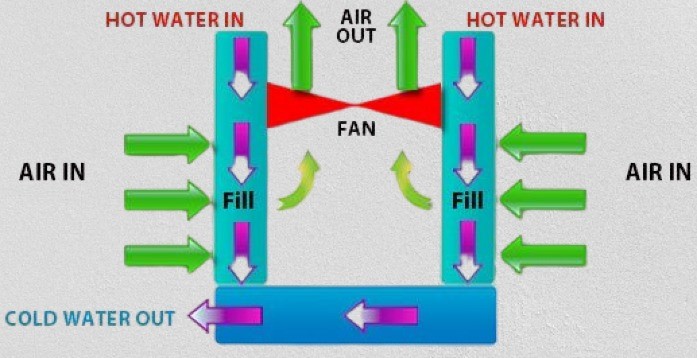
In this design, air flows perpendicular to hot fluid in the tubes. Crossflow coolers offer stable performance at a moderate level of cooling conditions and are easier to maintain since their structure is based on plain arrangements.
 iii.Counter-Flow
Here, airflow is indeed opposite to fluid. Such a configuration is very effective for maximum heat transfer and thereby builds up a steeper temperature gradient along the cooler. Waterman Engineers Australia provides both configurations with specific recommendations based on operational requirements, ambient temperatures, and desired cooling efficiency.
iv.Two-Phase Cooling with Vapor Condensation
In some industrial processes, radiator fin fan coolers can be used to cool fluids that are in two phases, consisting of both vapor and liquid. These systems recover and recycle the fluid efficiently in a closed-loop cycle by cooling the vaporized component until it condenses back into the liquid phase. Fluid recovery and recycling are important in the chemical processing or gas-refining industry because maintaining fluid integrity is critical. Waterman Engineers Australia has integrated this sophisticated cooling technology into their designs for industries that need to have extraordinary control of phase transition.
iii.Counter-Flow
Here, airflow is indeed opposite to fluid. Such a configuration is very effective for maximum heat transfer and thereby builds up a steeper temperature gradient along the cooler. Waterman Engineers Australia provides both configurations with specific recommendations based on operational requirements, ambient temperatures, and desired cooling efficiency.
iv.Two-Phase Cooling with Vapor Condensation
In some industrial processes, radiator fin fan coolers can be used to cool fluids that are in two phases, consisting of both vapor and liquid. These systems recover and recycle the fluid efficiently in a closed-loop cycle by cooling the vaporized component until it condenses back into the liquid phase. Fluid recovery and recycling are important in the chemical processing or gas-refining industry because maintaining fluid integrity is critical. Waterman Engineers Australia has integrated this sophisticated cooling technology into their designs for industries that need to have extraordinary control of phase transition.
 v.Variable Fan Control for Energy Management
Fan power and its speed determine efficiency, amounting to energy consumption and operating costs, in a Radiator Fin Fan Cooler. Variable frequency drives allow operators to vary fan speed according to real-time cooling demand thereby avoiding excess energy usage. The VFD reduces the fan speed when demand is low, and it does this without forfeiting some capacity in cooling. This advanced control mechanism forms an integral part of the custom-built Radiator Fin Fan Coolers provided by Waterman Engineers Australia. These have ensured clients can minimize energy costs and increase equipment life.
vi.Environmental Adaptation for Ambient Cooling
As outdoor coolers, the interference from atmospheric conditions such as wind, rain, and dust negatively impacts their performance. Therefore, Waterman Engineers Australia has fitted their coolers with weather-resistant coatings, protective louvers, and filtration systems that prevent debris. These modifications enable coolers to be operated effectively in different weather conditions and harsh industrial settings, thus reemphasizing their reliability and durability.
Customizable Features for Industry-Specific Requirements
Each industrial industry has its own cooling requirements, most commonly determined by temperature, fluid type, and operational environment. The Radiator Fin Fan Coolers are highly adaptable to meet these particular demands, and Waterman Engineers Australia has many years of experience in designing the aforementioned systems for a vast range of applications.
v.Variable Fan Control for Energy Management
Fan power and its speed determine efficiency, amounting to energy consumption and operating costs, in a Radiator Fin Fan Cooler. Variable frequency drives allow operators to vary fan speed according to real-time cooling demand thereby avoiding excess energy usage. The VFD reduces the fan speed when demand is low, and it does this without forfeiting some capacity in cooling. This advanced control mechanism forms an integral part of the custom-built Radiator Fin Fan Coolers provided by Waterman Engineers Australia. These have ensured clients can minimize energy costs and increase equipment life.
vi.Environmental Adaptation for Ambient Cooling
As outdoor coolers, the interference from atmospheric conditions such as wind, rain, and dust negatively impacts their performance. Therefore, Waterman Engineers Australia has fitted their coolers with weather-resistant coatings, protective louvers, and filtration systems that prevent debris. These modifications enable coolers to be operated effectively in different weather conditions and harsh industrial settings, thus reemphasizing their reliability and durability.
Customizable Features for Industry-Specific Requirements
Each industrial industry has its own cooling requirements, most commonly determined by temperature, fluid type, and operational environment. The Radiator Fin Fan Coolers are highly adaptable to meet these particular demands, and Waterman Engineers Australia has many years of experience in designing the aforementioned systems for a vast range of applications.

 Waterman Engineers Australia’s Expertise
The Radiator Fin Fan Cooler is an asset integral within industrial cooling management. It is responsible for efficient and reliable temperature control of critical machinery and processes. Its several operational benefits make it a preferred solution for industries requiring consistent cooling under adverse conditions. This final part will consider the benefits of Radiator Fin Fan Coolers and how Waterman Engineers Australia ensures best-in-class installation, maintenance, and service support for such systems.
Key Operational Benefits
Waterman Engineers Australia’s Expertise
The Radiator Fin Fan Cooler is an asset integral within industrial cooling management. It is responsible for efficient and reliable temperature control of critical machinery and processes. Its several operational benefits make it a preferred solution for industries requiring consistent cooling under adverse conditions. This final part will consider the benefits of Radiator Fin Fan Coolers and how Waterman Engineers Australia ensures best-in-class installation, maintenance, and service support for such systems.
Key Operational Benefits
Instrumentation and Control
Precise control and monitoring are essential for maintaining the efficiency of the Radiator Fin Fan Cooler and preventing overheating. The system instrumentation has proven to be a crucial feature in automating temperature regulation, optimizing performance, and ensuring safe operation.
i.Temperature Sensors
These sensors monitor the fluid entering and exiting the radiator core. From this data, operators can change fan speed or fluid flow to maximize cooling. High-accuracy sensors provided by Waterman Engineers Australia are specifically designed for such extreme conditions to provide accurate readings in such conditions.
ii.Pressure Gauges
Pressure gauges are installed in order to monitor fluid pressure within the system. Any rise in pressure indicates blockages and possible mechanical malfunction, which might lead to system failure. Waterman Engineers Australia incorporates high-quality pressure gauges with real-time pressure readings, where measures to correct the problem can be taken immediately.
iii.Flow Meters
It is important for the system to monitor fluid flow in order to maintain a consistent cooling potential. To maintain appropriate flow rates throughout the process, flow meters are incorporated into the system. In addition, adjustments allow matching of heat load fluctuations without efficiency being compromised.
iv.Fan Speed Controllers
Then, the fan speed regulators control the running of the fan with regards to temperature and pressure information. The component reduces energy consumption because it adjusts the fan speed depending on cooling demand and prolongs the life span of the equipment. In addition, its controllers, Waterman Engineers Australia, apply more advanced electronics in the whole operation to enable control by the operators.
Process Mechanism and Working Principle
The mechanism of the Radiator Fin Fan Cooler is quite simple but the most efficient one as it deals with conduction, convection, and forced air cooling.
a.Heat Transfer Through Conduction and Convection
In the radiators, hot fluid flowing through the radiator tubes transfers heat to the tube walls as the fluid flows through. That heat is conducted along the fins attached to the tube. Since the fins have a larger surface area, the heat is dispersed via convection by transferring it to the surrounding air. Waterman Engineers Australia optimizes this by engineering its radiator tubes and fins with ideal material properties and thickness for constituting speedy and effective heat transfer.
b.Forced Air Cooling
For the fans that are placed beside or at the rear of the core, it implies constant airflow across the fins. When the flow accelerates, the rate of heat transfer increases to enable the liquid to cool much better. As a result of the increased system capacity to accommodate all heat load variations, regulation of fan speeds promotes overall energy efficiency. Waterman Engineers Australia makes use of high-performance fans with variable speed to control the cooling process with least energy waste in consumptions.
c.Temperature Regulation and Energy Efficiency
The cooler has temperature sensors and controllers that measure temperatures and adjust fan speeds as needed. This way, the system will use the least amount of energy required in its operation, saving clients’ money and minimizing their contribution to environmental degradation. State-of-the-art control systems used by Waterman Engineers Australia ensure optimal temperatures are achieved while maximizing energy efficiency-a strategy that benefits not only the clients but also helps in sustainable practices.
Without a doubt, it's just about being a reliable, energy-saving heat exchanger that can deal with heavy thermal loads in any industry, from petrochemicals to power generation. Waterman Engineers Australia has established its position as a trustworthy provider for industrial cooling solutions guaranteeing safety, efficiency, and durability in operation with its customized coolers catering to client-specific requirements.
Advanced Process Mechanisms and Adaptability
In the ever-evolving industrial cooling landscape, Radiator Fin Fan Coolers emerge as one of the most versatile mechanisms with robust performance over a wide swath of applications. Although Part 1 has established a foundational component and operational principle, Part 2 veers into advanced process mechanisms, varied configurations, and customizable features that render Radiator Fin Fan Coolers pretty versatile. The company excels in giving customised cooling solutions-to the most stringent needs of their client, ranging from demanding high-heat environments to industries with stringent cooling standards.Advanced Cooling Mechanisms for Optimal Performance
It uses a combination of sophisticated cooling technologies to deal with challenging thermal loads. Such flexibility ensures that it finds wide application in industries in which temperature fluctuations could seriously affect the production processes and, hence, equipment efficiency as well as safety.
i.Cross-Flow and Counter-Flow Configurations
These radiators are available in either cross-flow or counter-flow configurations, each with its purpose in the cooling application.
ii.Cross-Flow
In this design, air flows perpendicular to hot fluid in the tubes. Crossflow coolers offer stable performance at a moderate level of cooling conditions and are easier to maintain since their structure is based on plain arrangements.
iii.Counter-Flow
Here, airflow is indeed opposite to fluid. Such a configuration is very effective for maximum heat transfer and thereby builds up a steeper temperature gradient along the cooler. Waterman Engineers Australia provides both configurations with specific recommendations based on operational requirements, ambient temperatures, and desired cooling efficiency.
iv.Two-Phase Cooling with Vapor Condensation
In some industrial processes, radiator fin fan coolers can be used to cool fluids that are in two phases, consisting of both vapor and liquid. These systems recover and recycle the fluid efficiently in a closed-loop cycle by cooling the vaporized component until it condenses back into the liquid phase. Fluid recovery and recycling are important in the chemical processing or gas-refining industry because maintaining fluid integrity is critical. Waterman Engineers Australia has integrated this sophisticated cooling technology into their designs for industries that need to have extraordinary control of phase transition.
v.Variable Fan Control for Energy Management
Fan power and its speed determine efficiency, amounting to energy consumption and operating costs, in a Radiator Fin Fan Cooler. Variable frequency drives allow operators to vary fan speed according to real-time cooling demand thereby avoiding excess energy usage. The VFD reduces the fan speed when demand is low, and it does this without forfeiting some capacity in cooling. This advanced control mechanism forms an integral part of the custom-built Radiator Fin Fan Coolers provided by Waterman Engineers Australia. These have ensured clients can minimize energy costs and increase equipment life.
vi.Environmental Adaptation for Ambient Cooling
As outdoor coolers, the interference from atmospheric conditions such as wind, rain, and dust negatively impacts their performance. Therefore, Waterman Engineers Australia has fitted their coolers with weather-resistant coatings, protective louvers, and filtration systems that prevent debris. These modifications enable coolers to be operated effectively in different weather conditions and harsh industrial settings, thus reemphasizing their reliability and durability.
Customizable Features for Industry-Specific Requirements
Each industrial industry has its own cooling requirements, most commonly determined by temperature, fluid type, and operational environment. The Radiator Fin Fan Coolers are highly adaptable to meet these particular demands, and Waterman Engineers Australia has many years of experience in designing the aforementioned systems for a vast range of applications.
- Material Selection for Corrosive Environments
- Compact, Modular Designs for Space Optimization
- Explosion-Proof and Fire-Resistant Models
- Noise Reduction Solutions for Urban or Enclosed Installations
- Power Generation
- Chemical and Petrochemical Processing
- Mining and Heavy Equipment
- Power Generation
- Chemical and Petrochemical Processing
- Mining and Heavy Equipment
Waterman Engineers Australia’s Expertise
The Radiator Fin Fan Cooler is an asset integral within industrial cooling management. It is responsible for efficient and reliable temperature control of critical machinery and processes. Its several operational benefits make it a preferred solution for industries requiring consistent cooling under adverse conditions. This final part will consider the benefits of Radiator Fin Fan Coolers and how Waterman Engineers Australia ensures best-in-class installation, maintenance, and service support for such systems.
Key Operational Benefits
- Energy Efficiency and Cost Savings
- Reduced Water Usage
- Enhanced Durability and Low Maintenance
- Flexibility and Scalability
- Reliability in Remote and High-Risk Locations
- Customized Design and Engineering
- Installation and Commissioning Expertise
- Comprehensive Maintenance Programs
- Training and Technical Support
- Upgrades and Modernization
- Data Centers
- HVAC and Refrigeration
- Automotive and Manufacturing
FAQs related to Containerized Sea Water Desalination Plant
- What is a Radiator Fin Fan Cooler?
- How does a Radiator Fin Fan Cooler work?
- What are the main components of a Radiator Fin Fan Cooler?
- What industries benefit most from Radiator Fin Fan Coolers?
- Why are Radiator Fin Fan Coolers more efficient than traditional water-cooled systems?
- How does Waterman Engineers Australia enhance the efficiency of Radiator Fin Fan Coolers?
- What type of maintenance is required for Radiator Fin Fan Coolers?
- Are Radiator Fin Fan Coolers suitable for harsh environments?
- What types of fluids can be cooled with Radiator Fin Fan Coolers?
- What is the advantage of using air-cooled systems over liquid-cooled ones?
- What role does Waterman Engineers Australia play in the installation of Radiator Fin Fan Coolers?
- Can Radiator Fin Fan Coolers be customized for specific industrial needs?
- What is the expected lifespan of a Radiator Fin Fan Cooler?
- Are there any regulatory compliance considerations for using Radiator Fin Fan Coolers?
- What support services does Waterman Engineers Australia provide for Radiator Fin Fan Coolers?
Related Posts
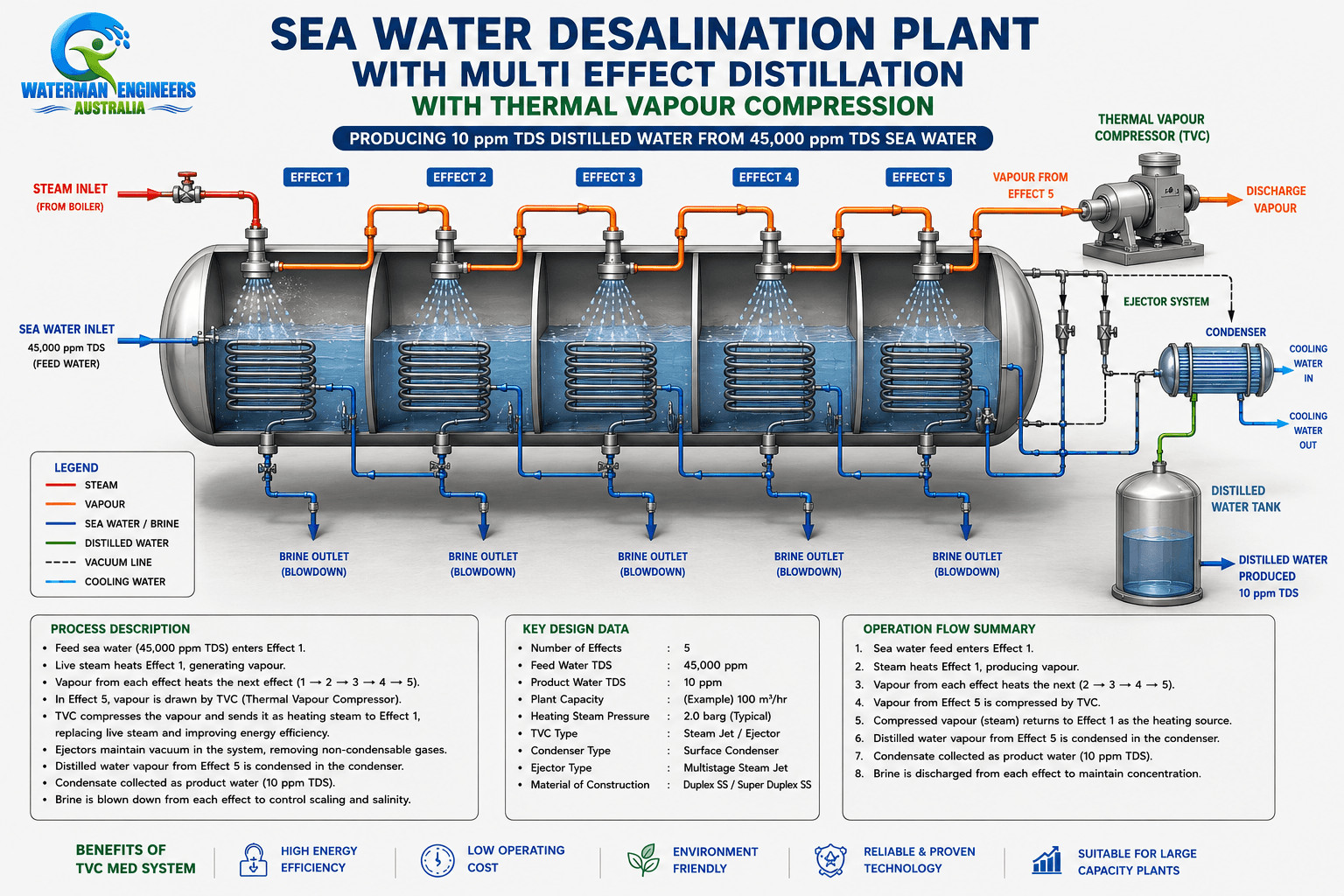
Sea Water Desalination Through Multi-Effect Distillation (MED) With Thermal Vapour Compression (TVC)
read more
Disinfectant for Poutry Farm
read more
Why disinfectant is necessary for aquafarming
read more
How profitability in aquafarming depends on the use of disinfectants
read more
Bio Security in poultry farm—Fogging procedure of disinfectant
read more
Why Disinfectants Are Necessary in Poultry Farms
read more
Virucidal importance in disease control in AQUAFARMING
read more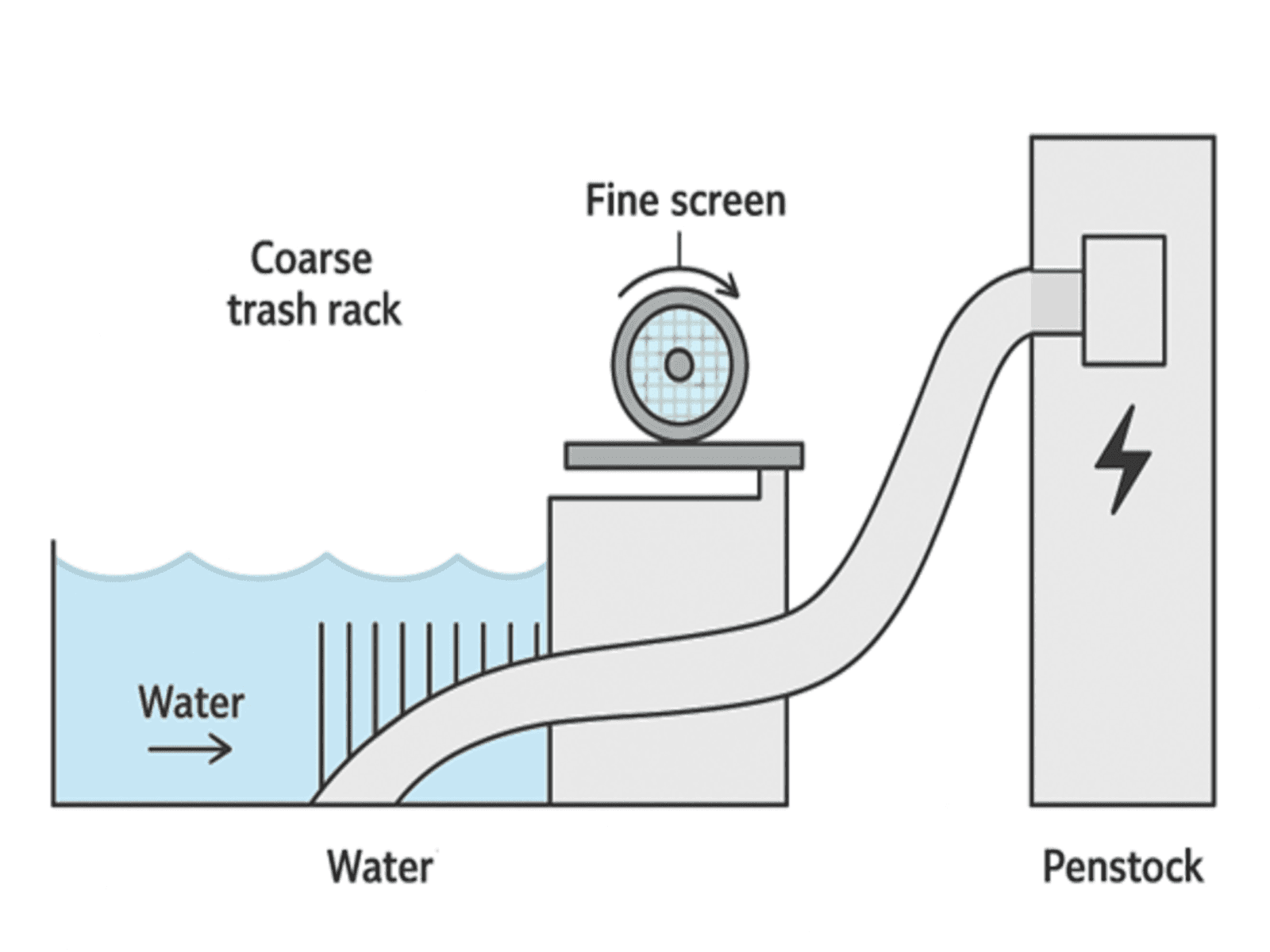
Water Filter Screens in Hydroelectric Power Stations
read more