Photocatalytic Degradation of Waste Water In Textile Industry
open
Introduction
Photo catalyst degradation is generally defined as a method in we use photo catalyst that is able to activate a reaction without being used. These photocatalytic substances are mainly invariable. There are lot of technologies that we used for the treatment of waste water i.e. Electrodialysis, membrane filtration, precipitation, adsorption, electrochemical reduction, and electrode ionization. These wastewater recovery techniques may be efficient but consume large amount of energy and generate pollutants, various type of hazardous waste and by products during the treatment of waste water treatment that have adverse effect on our environment. According to economic and social point of view we need mild reaction conditions and effective catalysts to remove various contaminants from wastewater. Scientist discovered a technique of Heterogeneous photo catalysis. This technique used in a variety of fields, including water splitting, water/air purification, CO2 reduction, and nitrogen fixation. Photo catalysis, is a simple and environmentally friendly process. It can degrade organic contaminants present in textile effluents into water, carbon dioxide, and particles. It also decreases or convert harmful inorganic pollutant into less hazardous chemicalPrinciple
The stimulation of photo excited electron-hole pairs with adequate energy (equal to or greater than the band-gap energy) at start in a photocatalytic process. The little gap in photo catalyst is able to capture light with more visible photon. In second step the dissociation of photogenerated electrons and holes occur. The creation of phonons or heat produced when the majority charge carriers recombine. It results in a decline in the amount of stimulated electrons. Electrons and holes both engage in a variety of reactions. These charge carriers are mix on the surface. Furthermore, they also react with oxygen to form superoxide ion that produce OH ions as well. The pollutants present in water are first deposited on the surface of the catalyst. It enhances charge transportation and redox reaction ability. Then a sequence of chemical changes starts happening with active specie. These active species produced by catalyst to produce degradation products. Photo-Fenton process is a so-called process similar to photocatalytic activity that can occur. The formation of extra OH radicals from Fenton reagents occur in this process.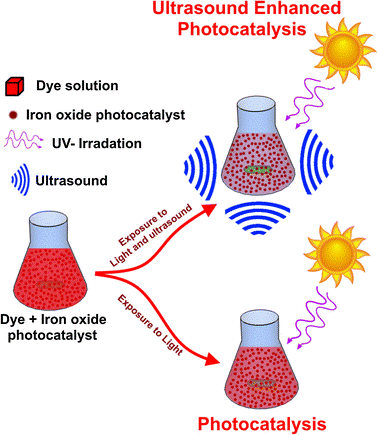
Photocatalytic Reactor Design
Within photocatalytic water treatment sector, photocatalytic reactors are particularly essential. Identifying the appropriate reactor can help to speed up treatment process while also saving electricity. Because light is used as the process energy with in photocatalytic reactor, the utilisation efficiency of the source of light as well as the mass transfer effectiveness of illumination in the reactor must be evaluated. The catalyst's placement in the reactor will maximize the area of contact, catalytic efficiency, reaction rate, and photocatalytic reaction efficiency. As a result, developing a novel photocatalytic reactor is a crucial approach to speed up the practical use of photocatalysis. As per the type of catalyst used, photocatalytic reactors are classified as- Fluidized Bed Reactors
- Fixed Bed Reactors
Preparation of Photocatalyst
By Chemical Method
The solution-based method is a widely used method for making photocatalysts since it has multiple benefits, including being eco-friendly, having inexpensive chemicals, and requiring very little energy input. The efficiency of the manufactured photocatalyst can be regulated by altering the operating settings. Various compositions, forms, and dimensions could occur from the variables used in the design phase, which could alter the photocatalyst's effectiveness. As a result, as contrasted to a solid-based method, this method is preferred. Some of its examples are:- Sol-Gel
- Co-Precipitation
- Electro-spinning
- Hydrothermal
By Physical Method
The use of a machine, pressure, power, and force to mix or modify the structure of materials, such as sonication, solid-state, and thermal evaporation, is prevalent in the synthesis of photocatalysts utilizing physical techniques. When compared to chemical-based procedures, these technologies have various advantages, including straightforward technical features and a highly pure yield. Nevertheless, controlling the catalyst's structure, size, and composition is difficult. One of the devices that may be used to synthesize the photocatalyst utilizing acoustic energy is a sonication bath. The ultrasonic probe emits ultrasonic waves with varying power pressures, capabilities, and structural forms. Various products will be achieved with various amplitude, frequencies, power supply, and processing time. This substance also has a high potential for producing a quality product with a high yield and minimum waste from of the procedure which is beneficial in textile industry.Specific Beneficial Catalysts for Textile Wastewater Treatment
Some beneficial catalysts for textile wastewater treatment are:- Titanium dioxide
- Zinc oxide
Advantages of Textile Wastewater Treatment
This method has a number of benefits:- It is environmentally friendly treatment.
- Total pollution degradation is held in this process.
- Certainly, no secondary pollution.
Related Posts
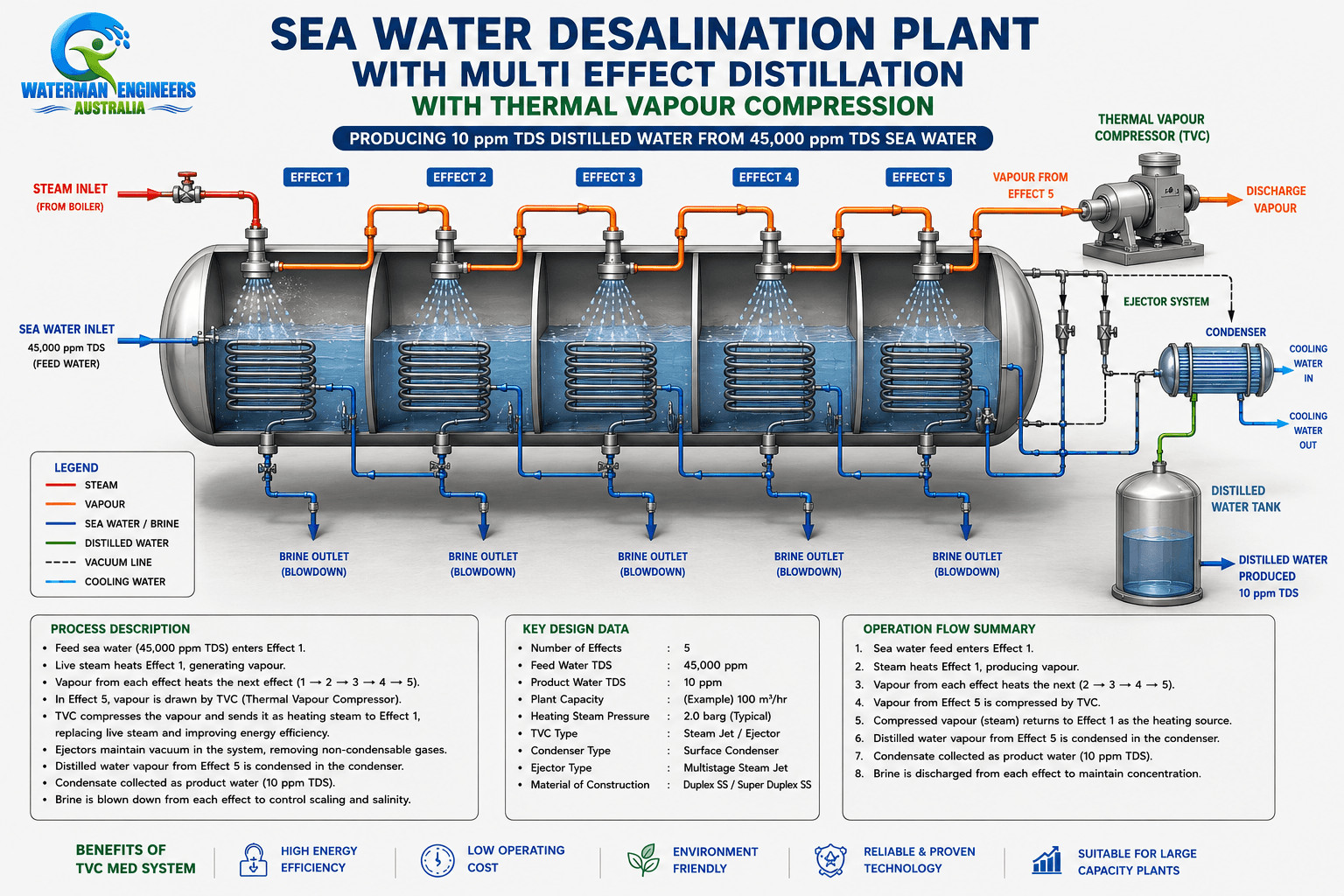
Sea Water Desalination Through Multi-Effect Distillation (MED) With Thermal Vapour Compression (TVC)
read more
Disinfectant for Poutry Farm
read more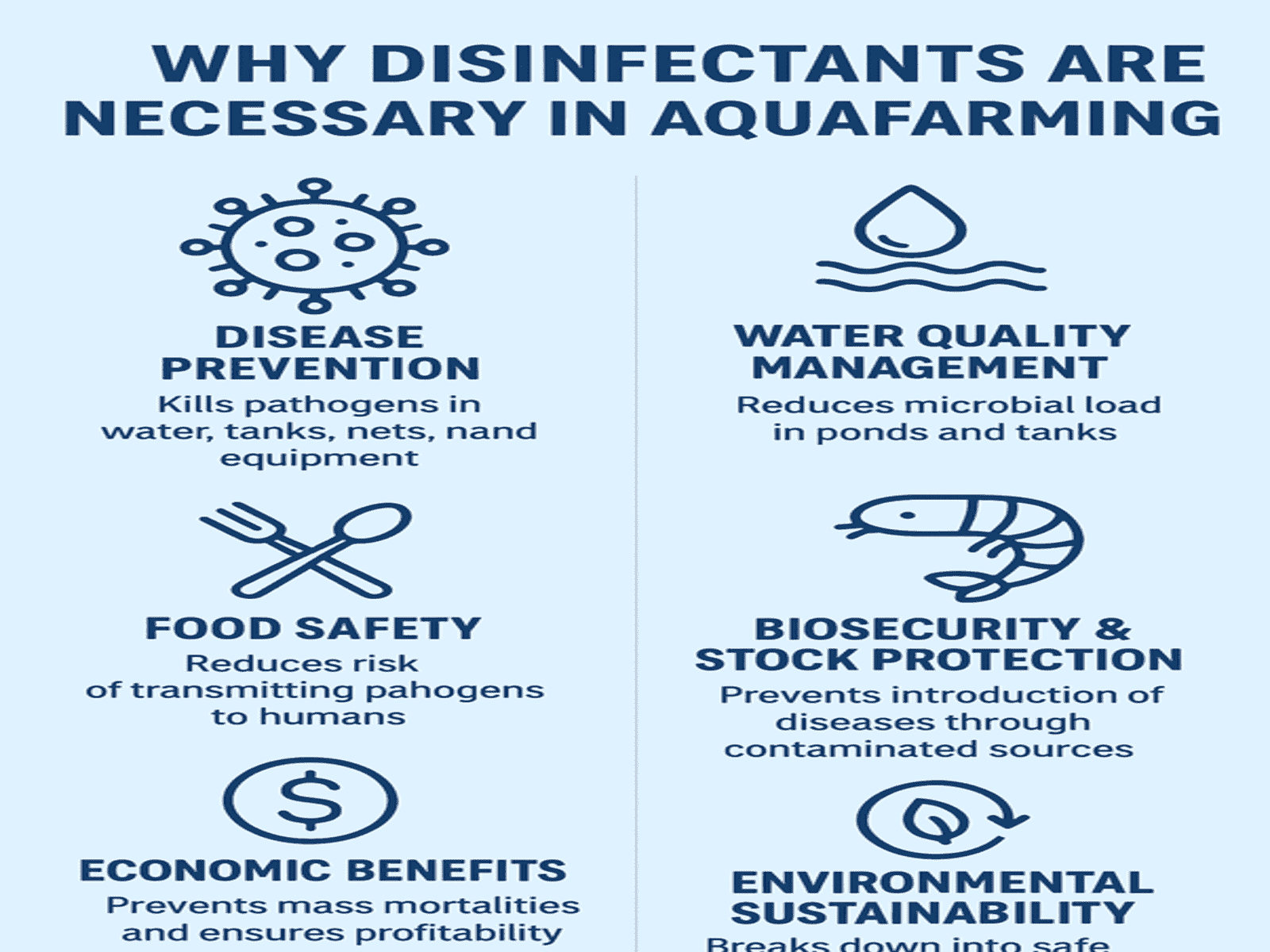
Why disinfectant is necessary for aquafarming
read more
How profitability in aquafarming depends on the use of disinfectants
read more
Bio Security in poultry farm—Fogging procedure of disinfectant
read more
Why Disinfectants Are Necessary in Poultry Farms
read more
Virucidal importance in disease control in AQUAFARMING
read more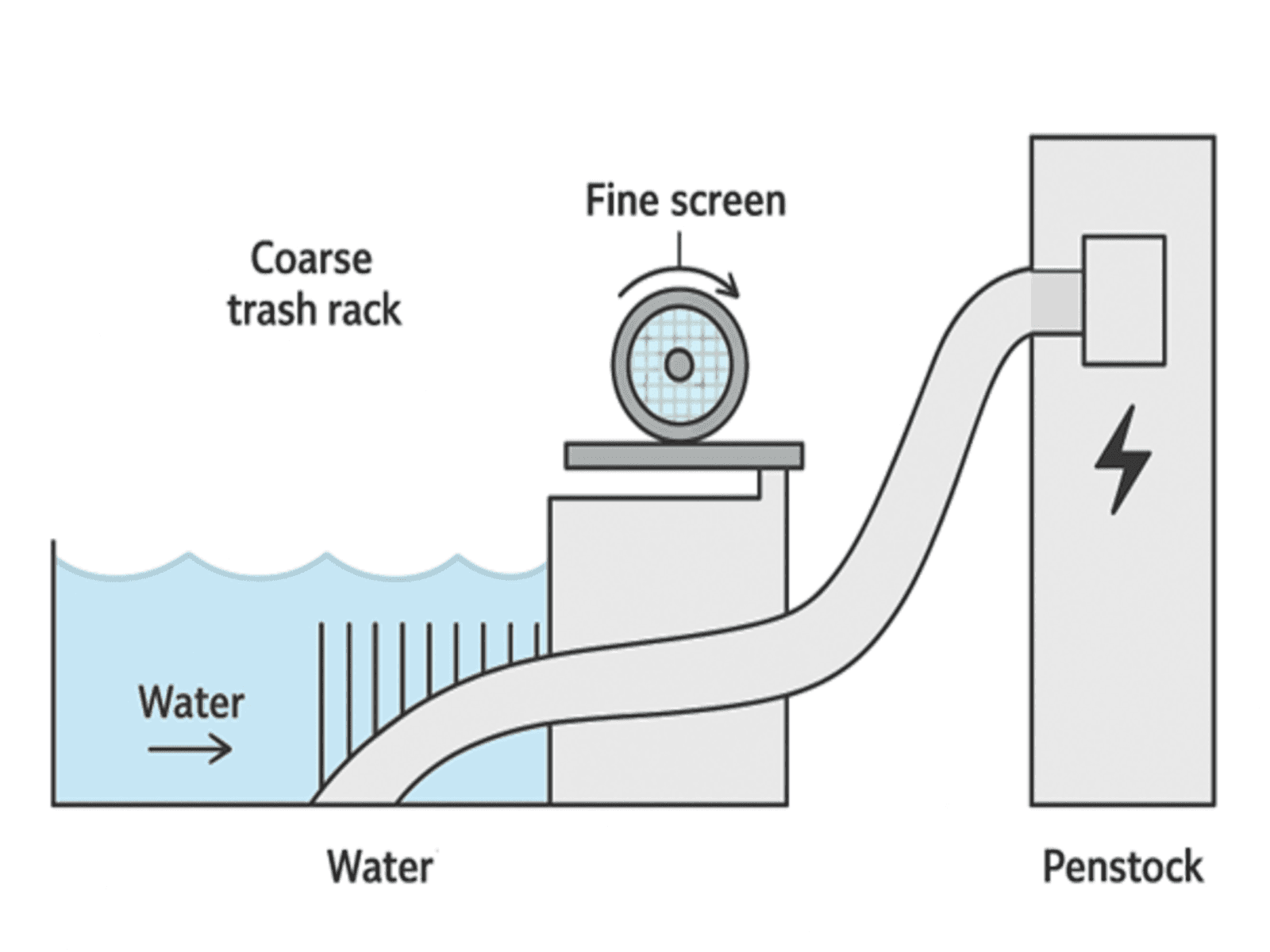
Water Filter Screens in Hydroelectric Power Stations
read more