Multi-Effect Distillation with Thermal Vapour Compression for Seawater Desalination Thermodynamic ENERGY Analysis
admin
1. Thermodynamic Analysis and Energy Efficiency
Energy efficiency in MED-TVC is evaluated by:
- First and Second Law Analyses: Comprehensive assessment of energy balances and entropy generation.
- Gain Output Ratio (GOR): Detailed calculation of kg of distillate per kg of steam input, with values from 8–15.
- Specific Energy Consumption (SEC): Thermal and electrical energy demands per cubic meter of produced water, highlighting energy partitioning.
- Thermodynamic Irreversibilities: Heat exchanger inefficiencies, vapor leakage, and non-ideal mixing effects.
- Heat Transfer Characteristics: Detailed analysis of heat transfer coefficients, fouling impact, and scaling mitigation.
- Integration Potential: Consideration of MED-TVC performance with cogeneration, solar thermal, and waste heat utilization.
- Thermal vs Electrical Energy Needs: Breakdown of motive steam, pumps, and auxiliary system demands.
- Feed Seawater Impact: Influence of salinity and inlet temperature on energy requirement.
- Operational Modes: Energy profiles during startup, steady operation, and shutdown.
- Optimization Techniques: Variable pressure control, ejector performance tuning, and process integration.
- Non-Equilibrium Thermodynamics: Vapor-liquid deviations in real systems.
- CFD Simulations: Vapor distribution, droplet entrainment, and ejector nozzle performance.
- Mathematical Modeling: Governing heat and mass transfer equations with thermophysical property correlations.
- Multi-Objective Optimization: Trade-offs between energy use, water recovery, and brine concentration.
- Waste Heat Sources: Industrial processes, geothermal, nuclear, and solar thermal potentials.
- Thermodynamic Viability: Pinch analysis and low-grade heat usage.
- Case Studies: Real-world examples integrating MED-TVC with industrial waste heat.
- Minimum Energy Requirements: Second law analysis for least work of separation.
- Emerging Technologies: Vapor recompression, low-temperature distillation, and membrane-assisted MED.
- Hybridization Potential: Integration of RO-MED-TVC systems for thermodynamic optimization.
- Higher Energy Efficiency: Compared to multi-stage flash (MSF) and reverse osmosis (RO), MED-TVC exhibits superior thermal efficiency, particularly when integrated with waste heat or cogeneration sources.
- Operational Flexibility: MED-TVC systems can adapt to varying steam supplies and seawater conditions, making them suitable for locations with fluctuating thermal energy availability.
- Lower Scaling Tendency: Operating temperatures below 70°C reduce scaling and fouling compared to MSF systems, leading to lower maintenance frequency.
- High Water Quality: Product water typically meets World Health Organization (WHO) standards for potable water, with low total dissolved solids (TDS).
- High Capital Costs: Initial investment remains higher than RO systems, primarily due to extensive heat exchanger surfaces and specialized materials.
- Large Footprint: MED-TVC plants require significant physical space, limiting applicability in dense urban environments.
Sensitivity to Feedwater Quality: High levels of suspended solids or biological content necessitate pre-treatment to prevent fouling and corrosion. - Complex Operation: Requires skilled operators familiar with thermodynamic and hydraulic balancing to optimize performance.
- Corrosion Resistance: Titanium and high-grade stainless steels (e.g., 316L, Duplex) are common in heat exchangers to resist chloride-induced corrosion.
- Thermal Conductivity: Materials with high thermal conductivity improve heat transfer but must be balanced against corrosion resistance.
- Coatings and Linings: Advanced coatings such as polymeric linings or thermal spray metals are applied to reduce corrosion and scaling in critical areas.
- Piping and Valves: Non-metallic materials (e.g., FRP, HDPE) are used in low-pressure sections to reduce cost and corrosion risk.
- Key Parameters Monitored: Temperature, pressure, flow rate, salinity, and vacuum level are continuously measured for operational stability.
- Automation Systems: Programmable Logic Controllers (PLC) and Distributed Control Systems (DCS) enable precise regulation of process variables.
- Advanced Control Strategies: Model Predictive Control (MPC) and adaptive algorithms optimize steam usage and minimize energy consumption.
- Fault Detection: Sensors detect fouling, leaks, and scaling in real-time, triggering maintenance alerts.
- Low Chemical Usage: Minimal antiscalants and biocides compared to RO, reducing chemical discharge risks.
- Brine Management: Strategies include dilution, deep-well injection, and mineral recovery to mitigate marine ecosystem impacts.
- Energy Integration: Coupling with renewable energy sources (e.g., solar thermal, geothermal) enhances sustainability.
- Carbon Footprint: Lower greenhouse gas emissions when using waste heat or renewable energy sources.
- Jubail, Saudi Arabia: One of the largest MED-TVC plants producing over 800,000 m³/day with integrated waste heat utilization.
- Shuwaikh, Kuwait: Demonstrates successful integration of MED-TVC with gas turbine power plants.
- Masdar City, UAE: Pilot projects integrating MED-TVC with solar thermal collectors for sustainable desalination.
- Carbon Footprint: Lowered via waste heat use or renewable energy integration.
- Brine Disposal: Proper dilution and discharge strategies to minimize marine ecosystem impact.
- Resource Recovery: Potential extraction of valuable salts from brine.
- Middle East: Largest installed capacities in UAE, Saudi Arabia.
- North Africa: Egypt adopting MED-TVC in coastal areas.
- Europe: Pilot projects in Spain and Italy.
- Asia: Growing interest in India and China due to water stress.
- CAPEX: High, but offset by lower OPEX.
- OPEX: Reduced through energy recovery.
- Levelized Cost of Water (LCW): Competitive in energy-abundant regions.
- Cost Comparison: Favorable versus MSF, more expensive than RO unless waste heat is used.
- Advanced Materials: To improve corrosion resistance.
- Hybrid Systems: MED-TVC coupled with RO for higher efficiency.
- Solar Integration: Solar thermal energy to drive MED-TVC.
- Digitalization: AI-driven predictive maintenance and process optimization.
17. References
[To be populated with detailed academic, industrial, and standards references in the final document.]Related Posts
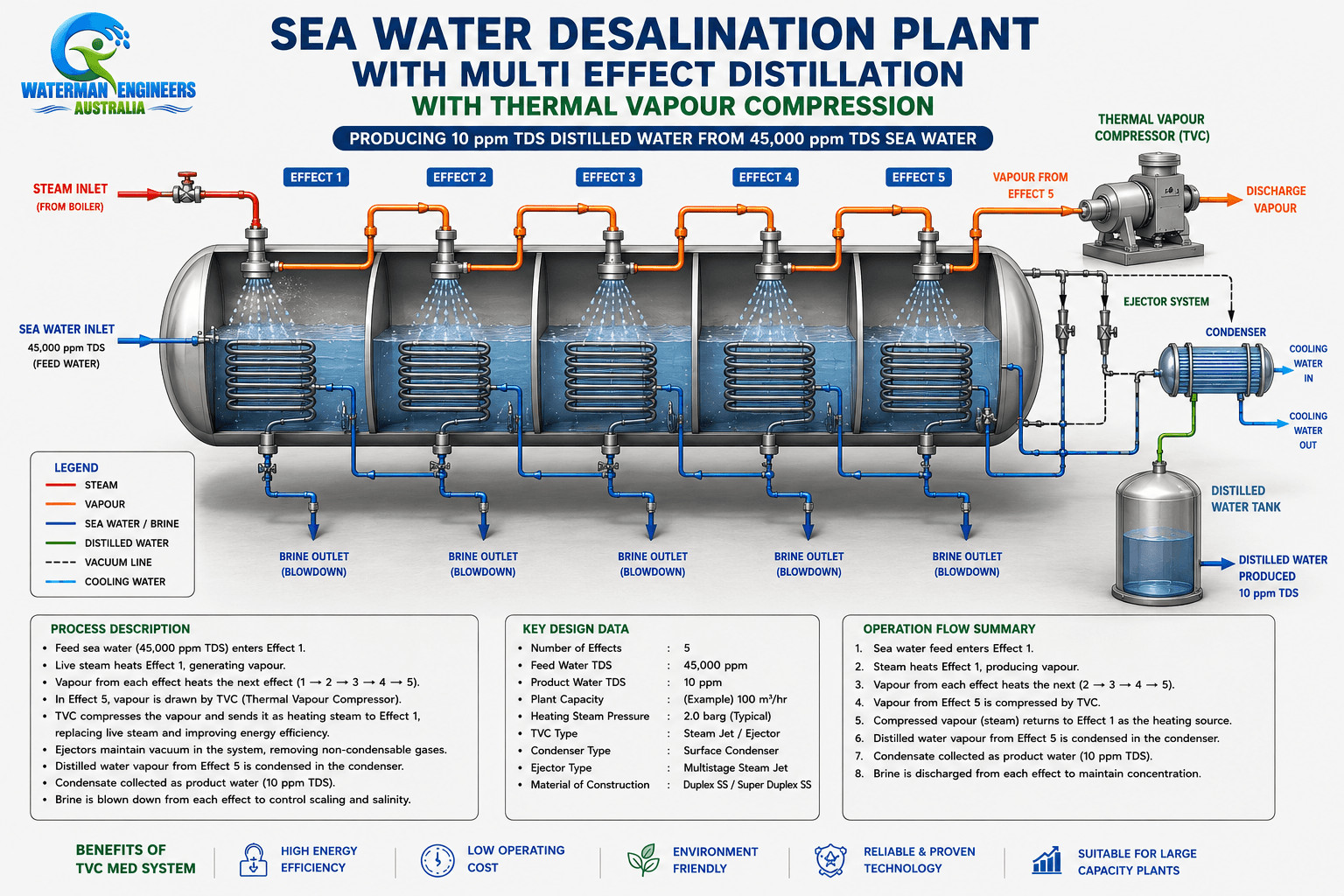
Sea Water Desalination Through Multi-Effect Distillation (MED) With Thermal Vapour Compression (TVC)
read more
Disinfectant for Poutry Farm
read more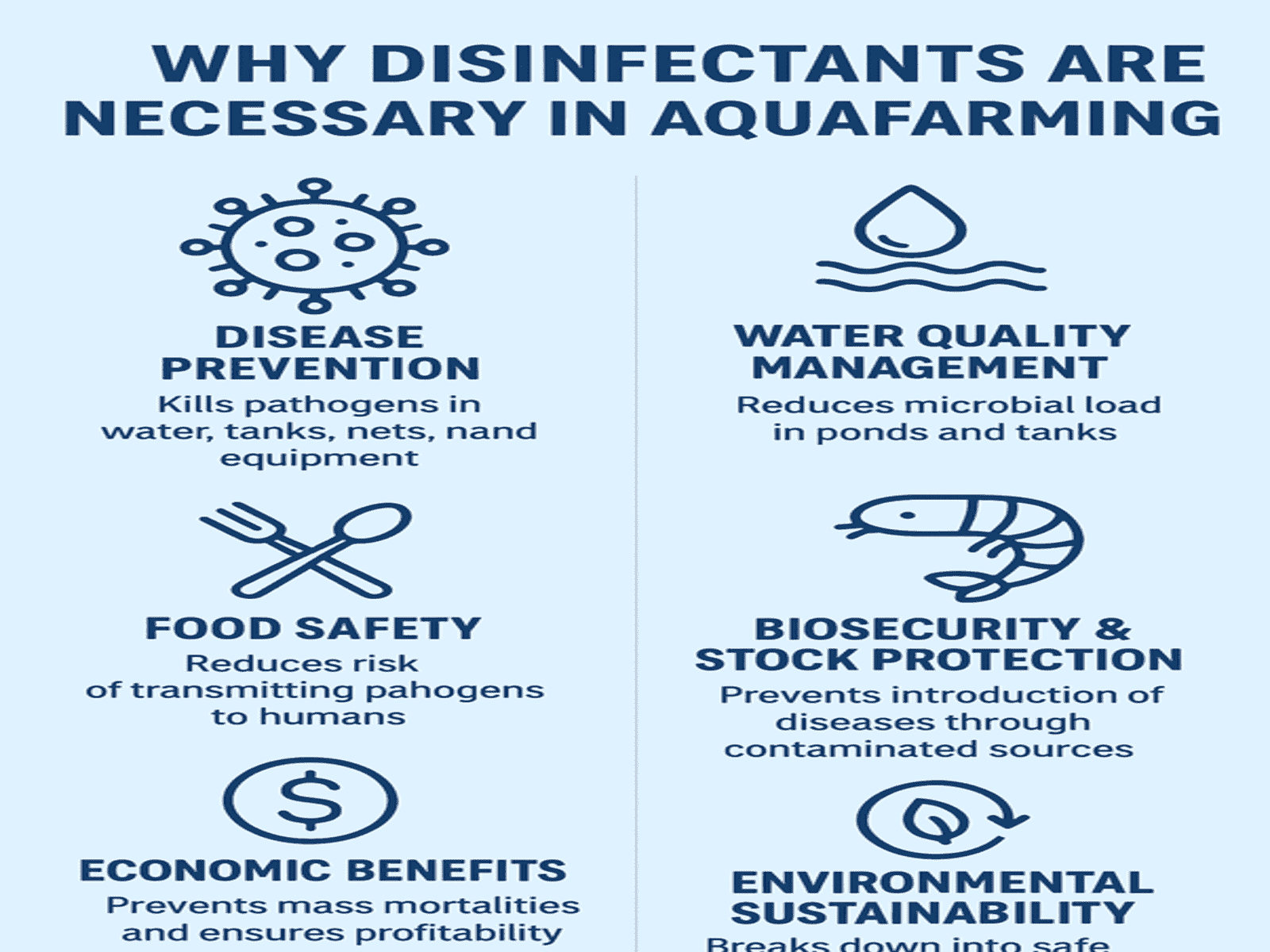
Why disinfectant is necessary for aquafarming
read more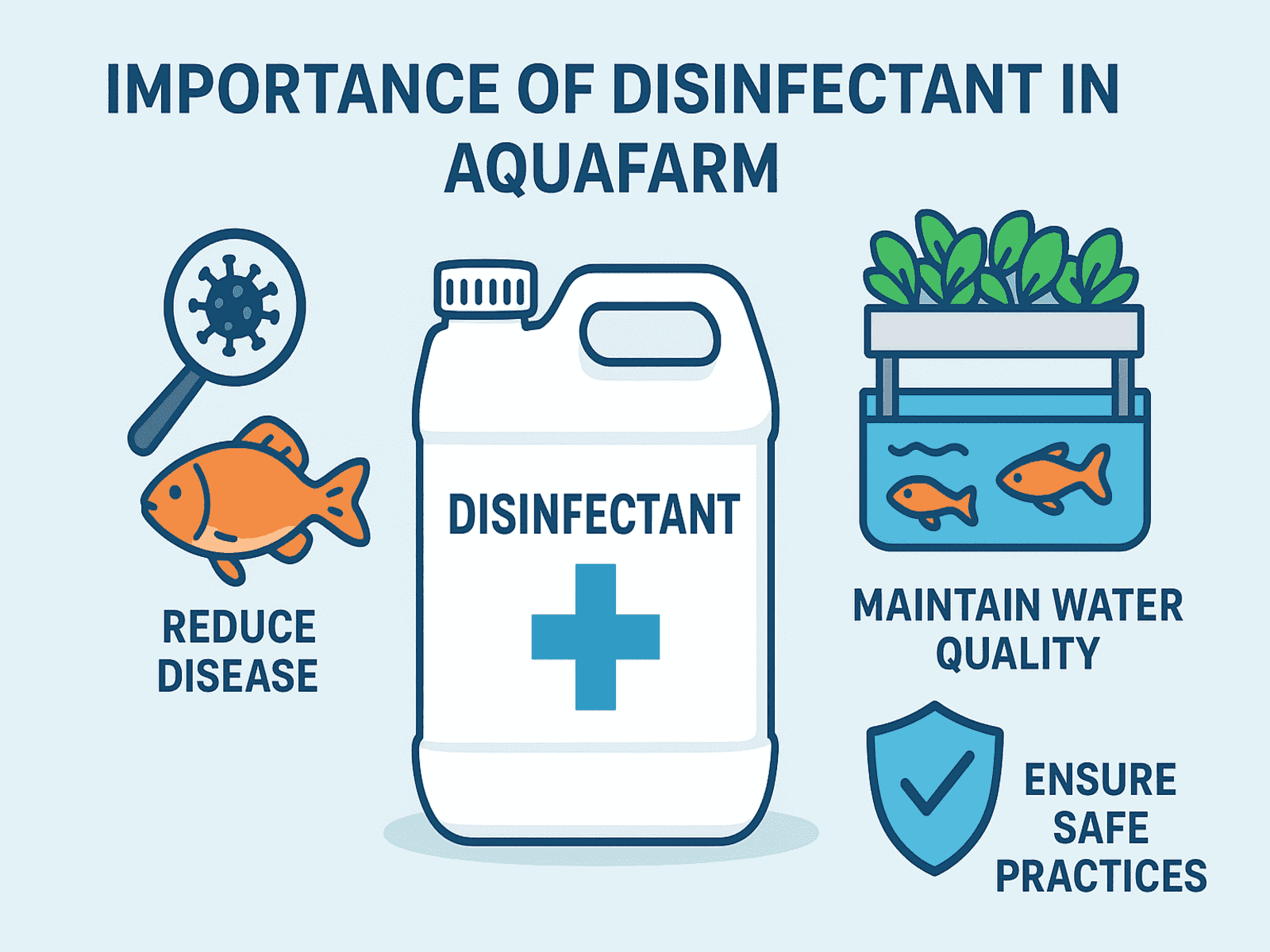
How profitability in aquafarming depends on the use of disinfectants
read more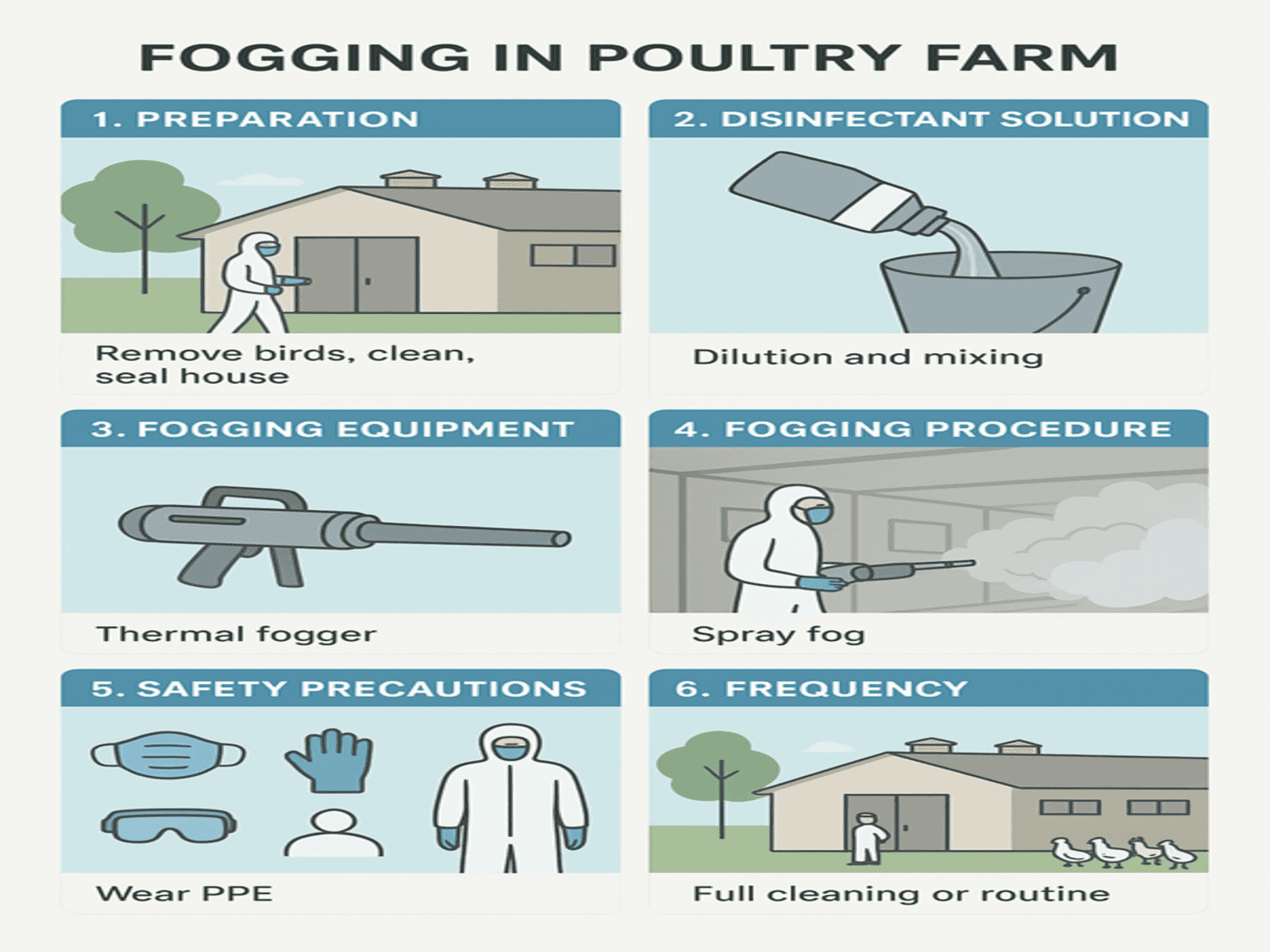
Bio Security in poultry farm—Fogging procedure of disinfectant
read more
Why Disinfectants Are Necessary in Poultry Farms
read more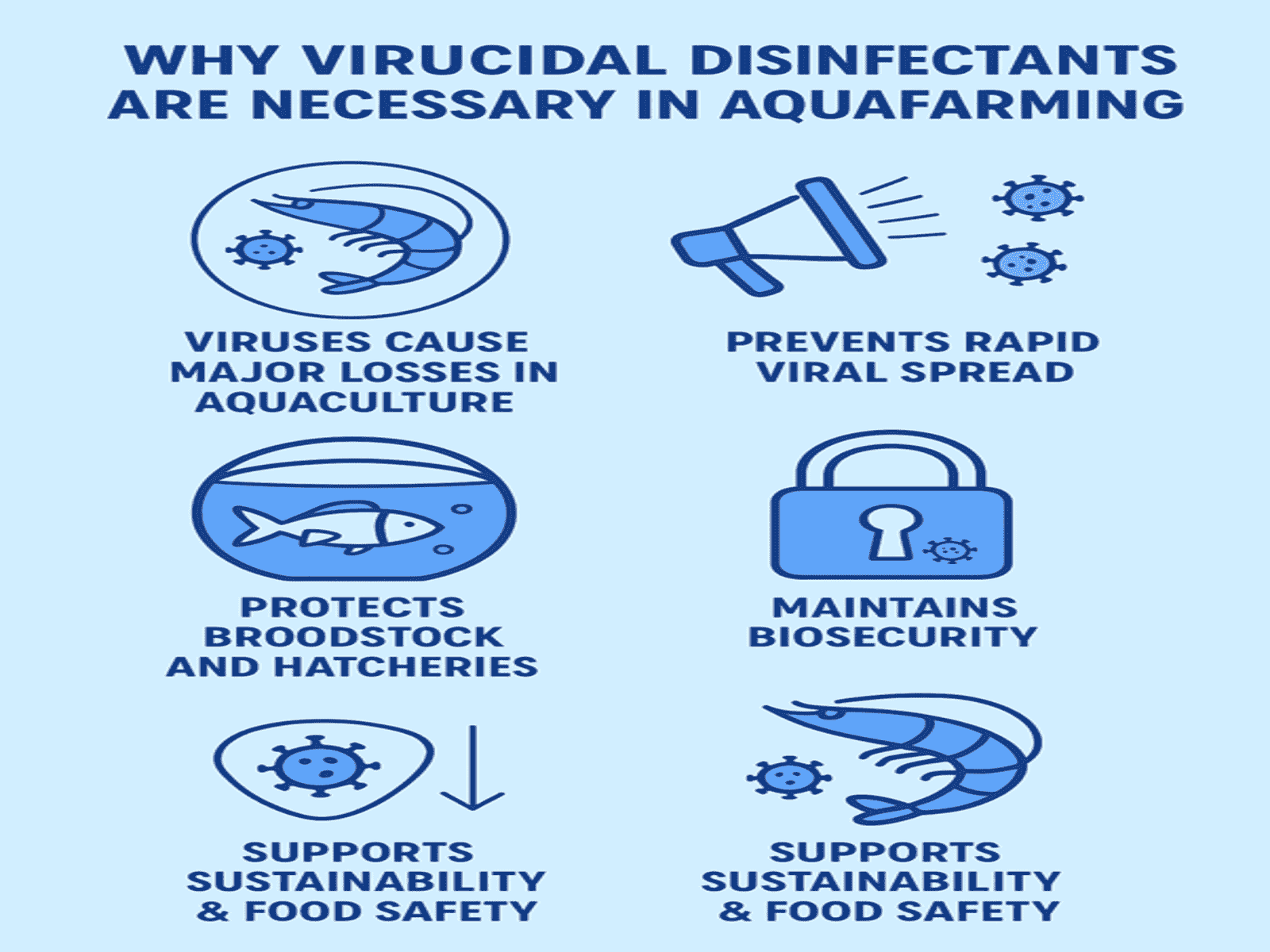
Virucidal importance in disease control in AQUAFARMING
read more
Water Filter Screens in Hydroelectric Power Stations
read more