IoT & AI in Logistics Industry
admin
🚛 IoT & AI in Logistics Industry:
1. Fleet & Vehicle Management
- IoT Role:
- GPS trackers, telematics, and fuel sensors monitor location, speed, and fuel usage.
- Tire pressure and engine health sensors detect potential breakdowns.
- AI Role:
- Predictive maintenance (AI forecasts when a truck needs servicing).
- Route optimization (AI calculates best delivery routes considering traffic, fuel, and weather).
2. Real-Time Shipment Tracking
- IoT Role:
- Smart tags, RFID, and GPS provide real-time visibility of goods in transit.
- Condition sensors track temperature, humidity, and vibration for sensitive goods (e.g., vaccines, electronics).
- AI Role:
- Predicts delivery time more accurately.
- Detects anomalies (e.g., if a package is delayed, damaged, or diverted).
3. Warehouse & Inventory Operations
- IoT Role:
- Automated guided vehicles (AGVs), smart forklifts, and conveyor sensors streamline movement of goods.
- IoT shelves with weight/vision sensors detect stock levels instantly.
- AI Role:
- Demand forecasting (AI predicts which products will be needed and when).
- Inventory optimization (reduces overstocking and shortages).
4. Supply Chain Visibility & Transparency
- IoT Role:
- End-to-end tracking devices across suppliers, warehouses, trucks, and retailers.
- AI Role:
- Identifies bottlenecks in the supply chain.
- Simulates “what-if” scenarios (e.g., supply disruption, fuel price hikes).
5. Customer Experience Enhancement
- IoT Role:
- Customers track shipments in real-time via IoT-enabled logistics platforms.
- AI Role:
- AI chatbots for customer service (delivery status, rescheduling).
- AI personalizes delivery windows based on customer habits.
6. Safety & Security
- IoT Role:
- Smart locks and geofencing protect shipments.
- CCTV & motion sensors for cargo safety.
- AI Role:
- Analyzes patterns to flag theft, fraud, or suspicious activity.
- AI-driven video analytics detect unauthorized access.
✅ Benefits of IoT + AI in Logistics
- Reduced operational costs 🚚
- Increased delivery speed ⏱️
- Higher customer satisfaction ⭐
- Improved safety & compliance 🛡️
- Sustainability (reduced fuel & carbon emissions) 🌍
- IoT = Collects Real-Time Data 📡
- AI = Analyzes & Makes Decisions 🧠
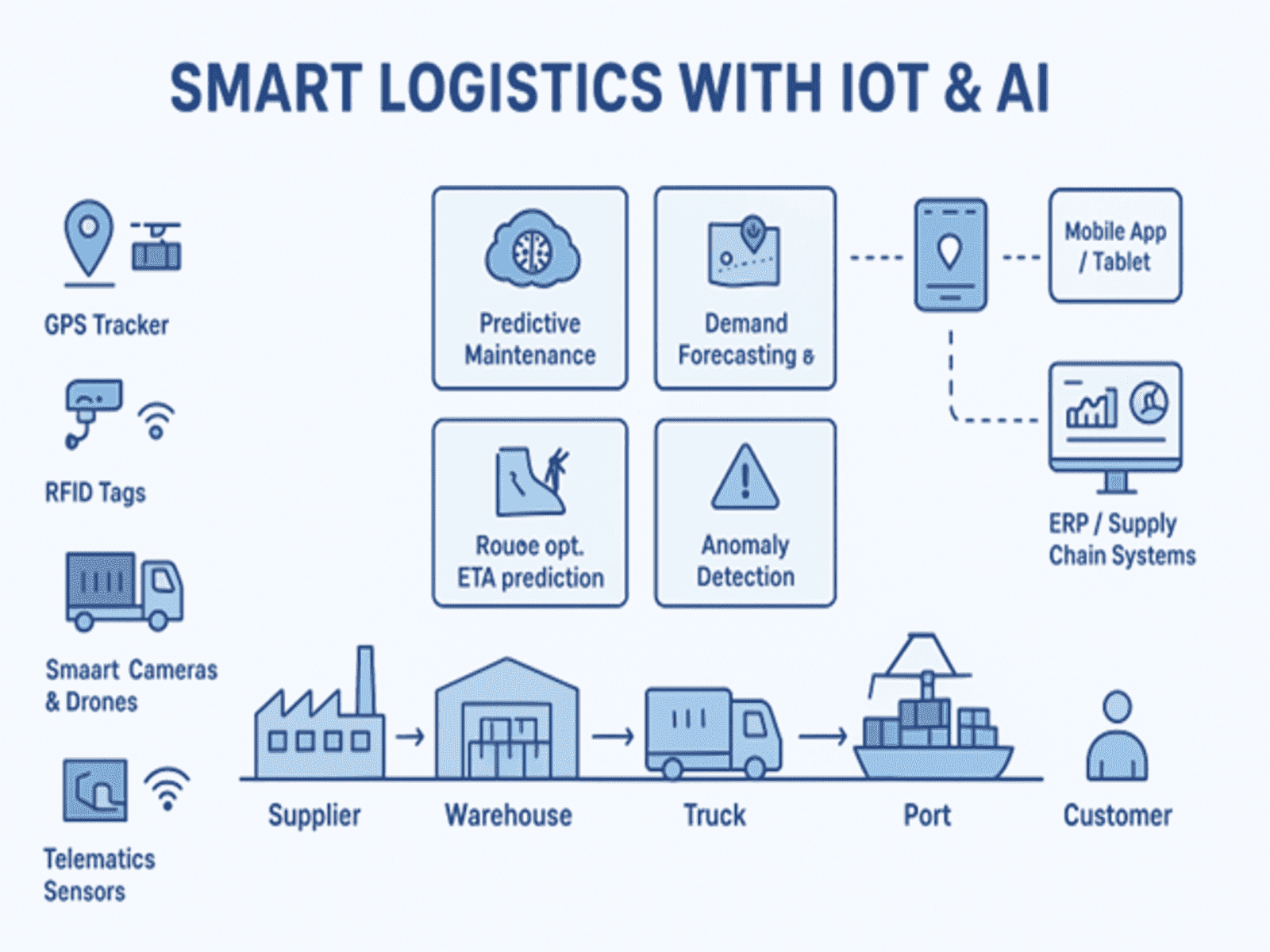
🚛 Storyboard / Diagram Layout: IoT & AI in Logistics
1. Logistics Network (Centerpiece)
- Central supply chain flow: Supplier → Warehouse → Truck → Port → Retailer → Customer.
- Arrows showing movement of goods.
2. IoT Layer (Sensors & Devices)
(placed along the supply chain with icons + signals 📡)- GPS Trackers on trucks & ships.
- RFID Tags & Smart Labels on pallets/containers.
- Temperature/Humidity Sensors for cold chain.
- Smart Cameras & Drones in warehouses.
- Telematics Sensors (fuel, tire pressure, engine health).
3. AI Layer (Analytics & Decision Making)
(placed above supply chain, connected by dotted arrows)- Predictive Maintenance (vehicles, machines).
- Route Optimization & ETA prediction.
- Demand Forecasting & Inventory Planning.
- Anomaly Detection (delays, theft, damage).
- AI Dashboard for logistics managers.
4. Data Flow
IoT devices 📡 → IoT Gateway → AI Cloud Brain 🧠 → Decisions → Back to logistics operations5. External Interfaces
- Mobile App / Tablet for real-time shipment tracking.
- ERP / Supply Chain Systems
- Customer Portal (track package, reschedule delivery).
6. Heading / Title
“Smart Logistics with IoT & AI” 👉 The final flow will look like: Goods in transit (IoT sensors) → AI cloud analysis → Optimized operations & customer visibility.Related Posts
Sea Water Desalination Through Multi-Effect Distillation (MED) With Thermal Vapour Compression (TVC)
read more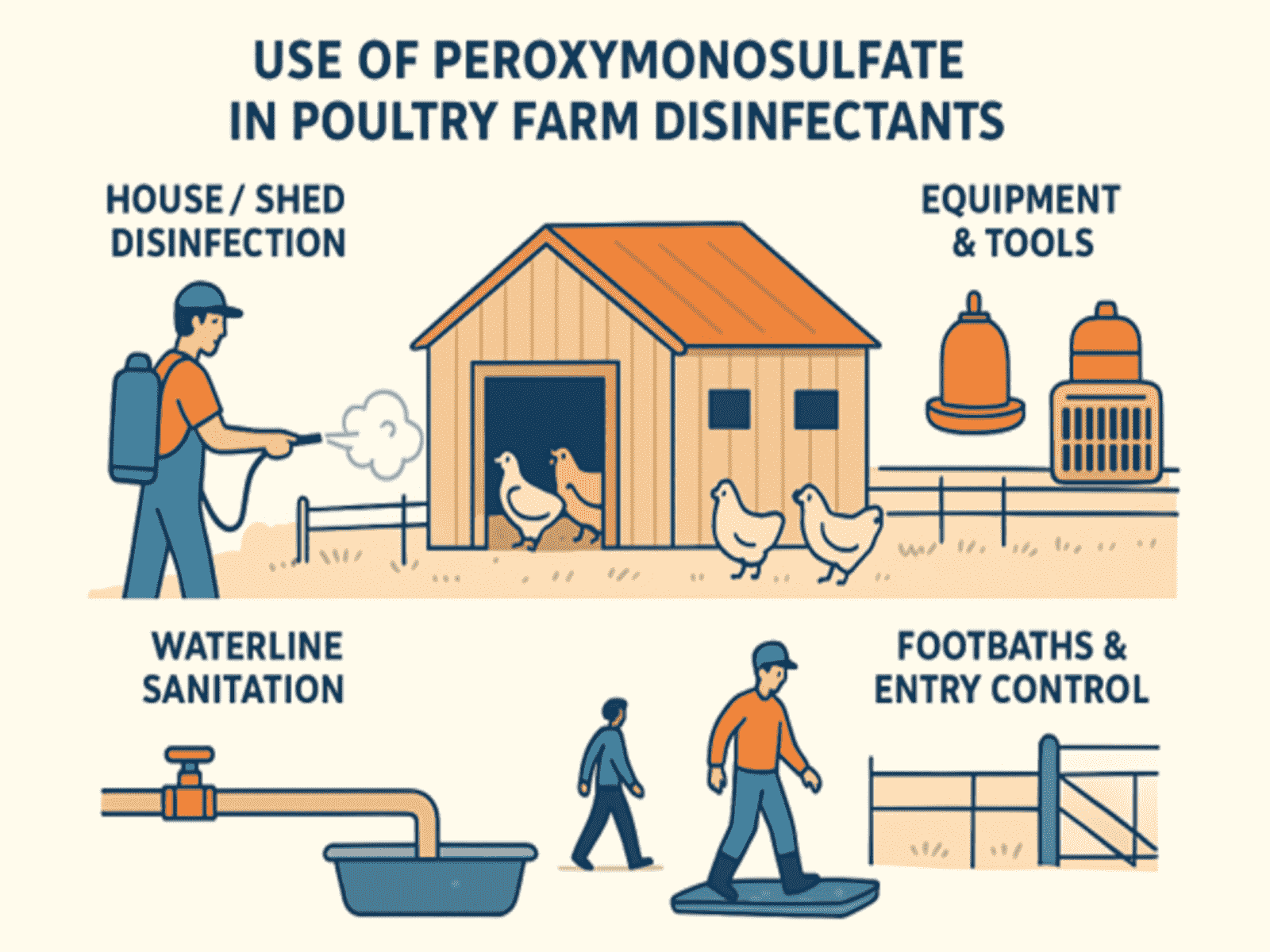
Disinfectant for Poutry Farm
read more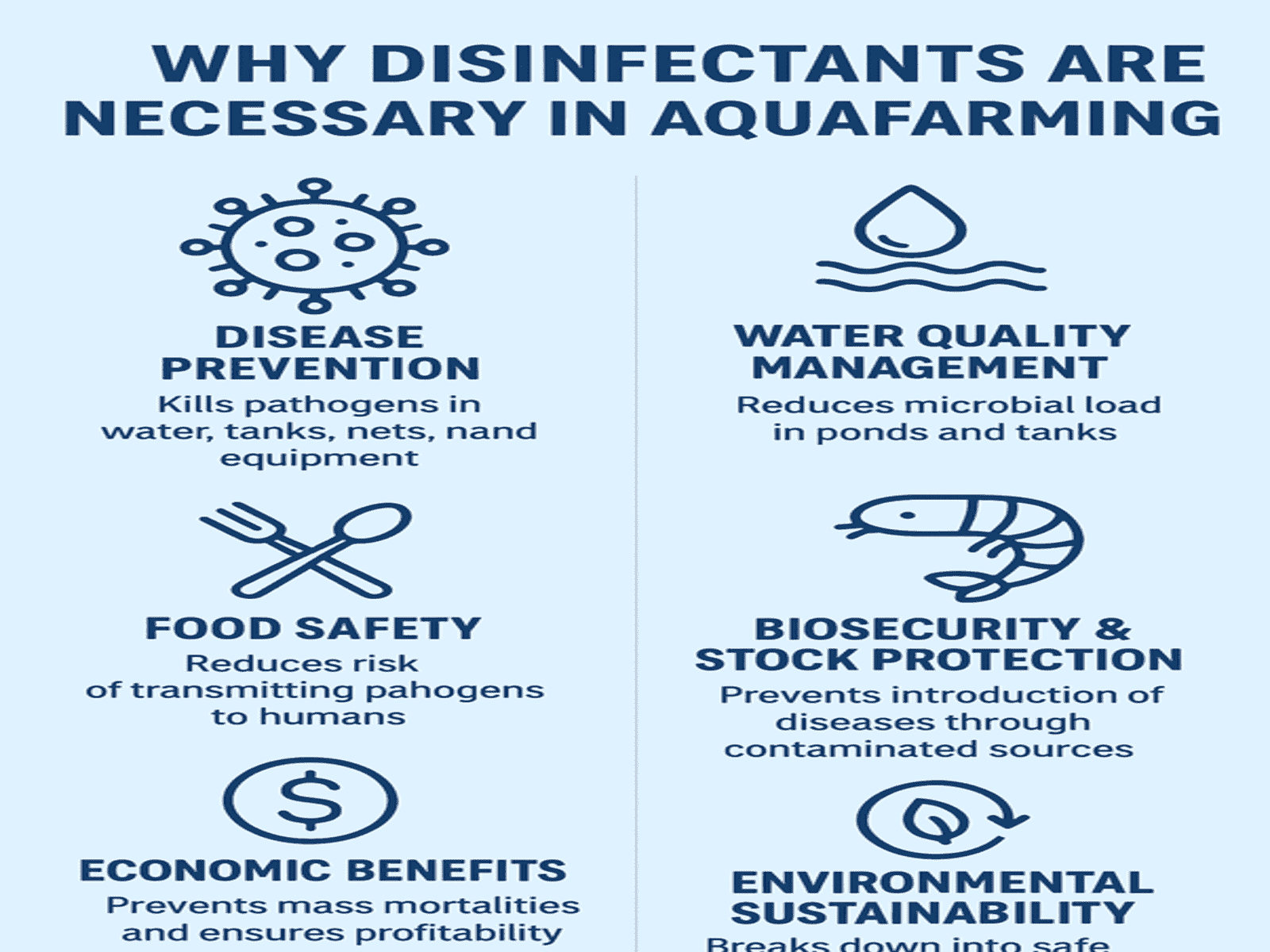
Why disinfectant is necessary for aquafarming
read more
How profitability in aquafarming depends on the use of disinfectants
read more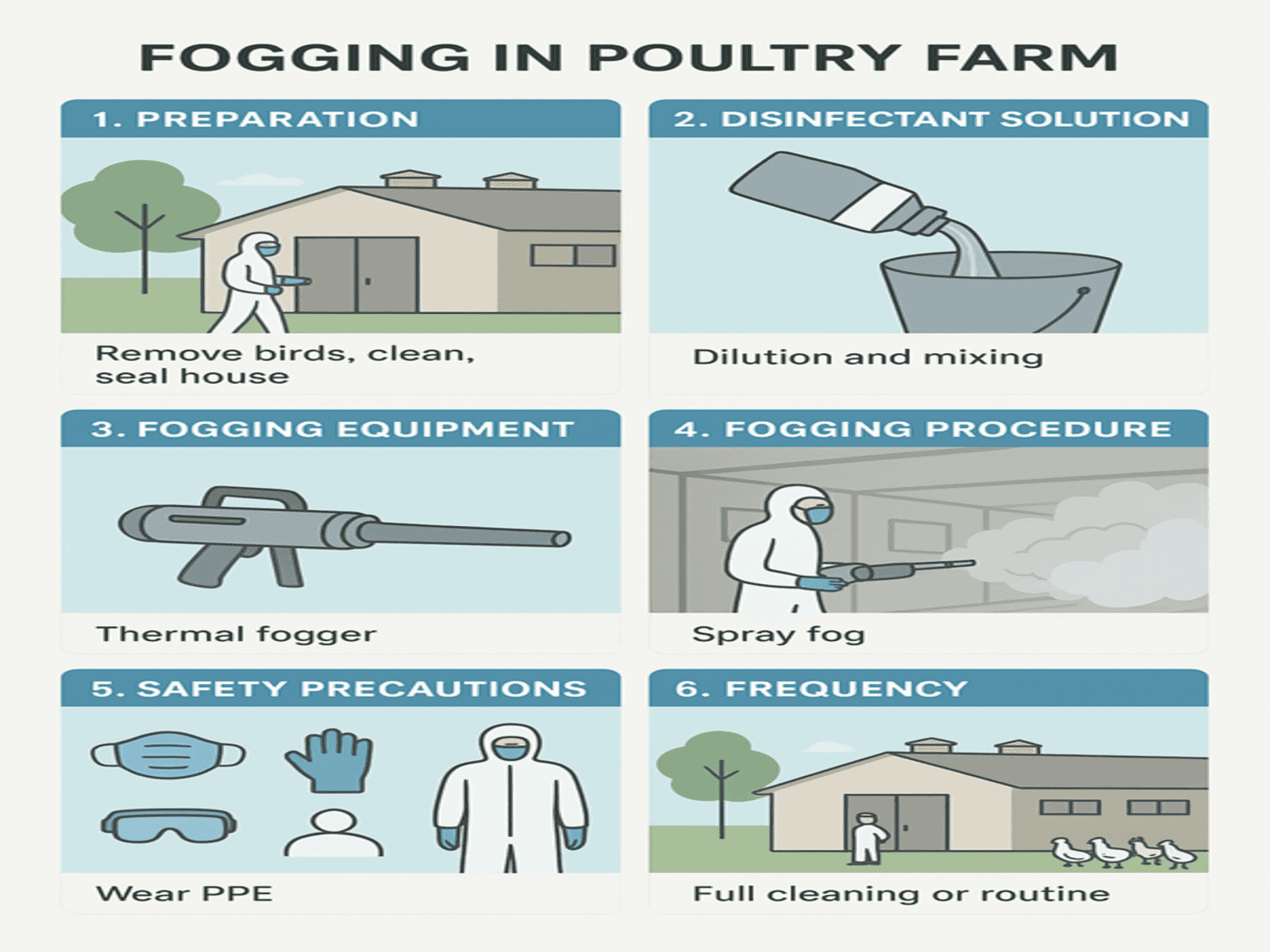
Bio Security in poultry farm—Fogging procedure of disinfectant
read more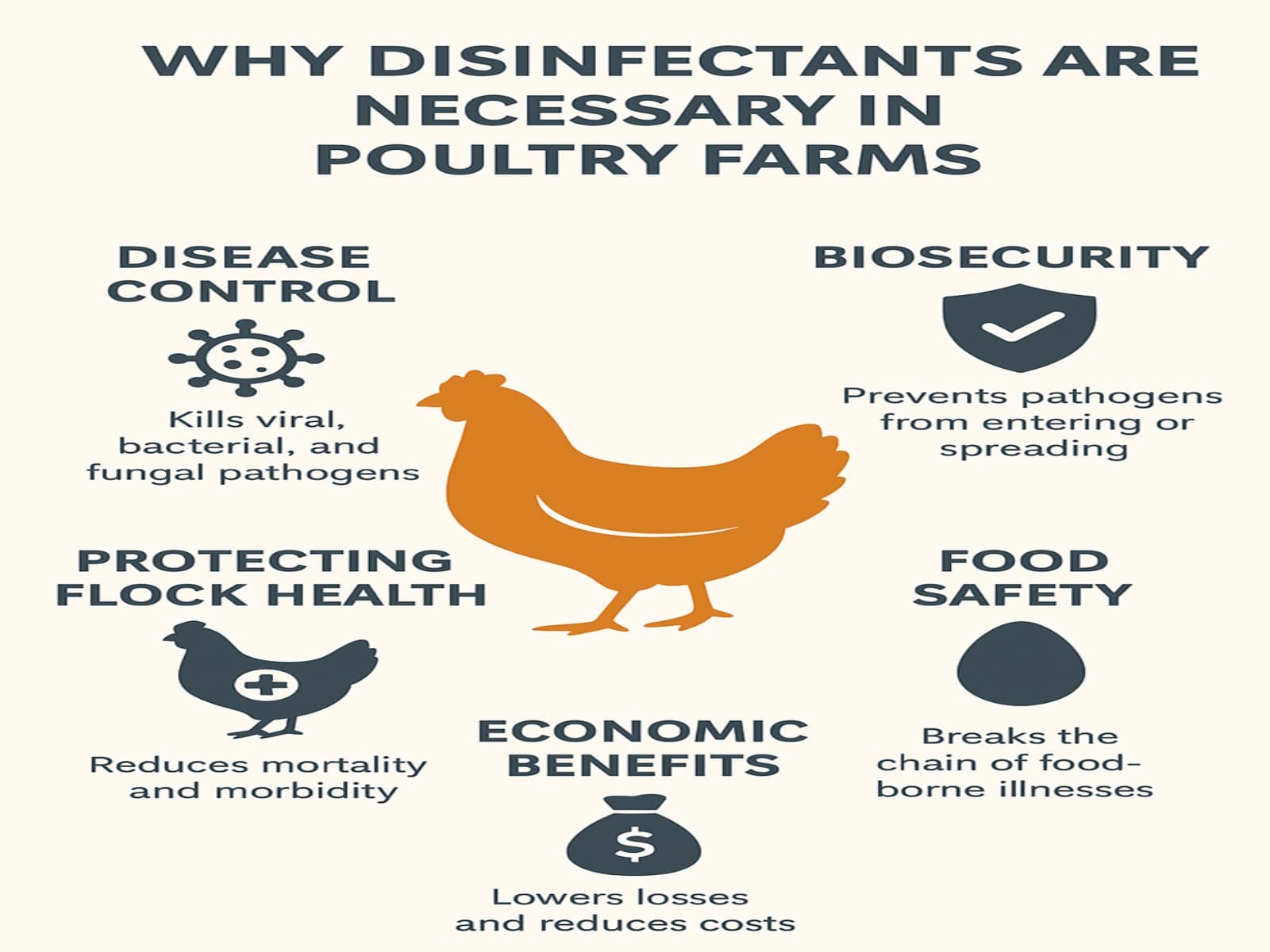
Why Disinfectants Are Necessary in Poultry Farms
read more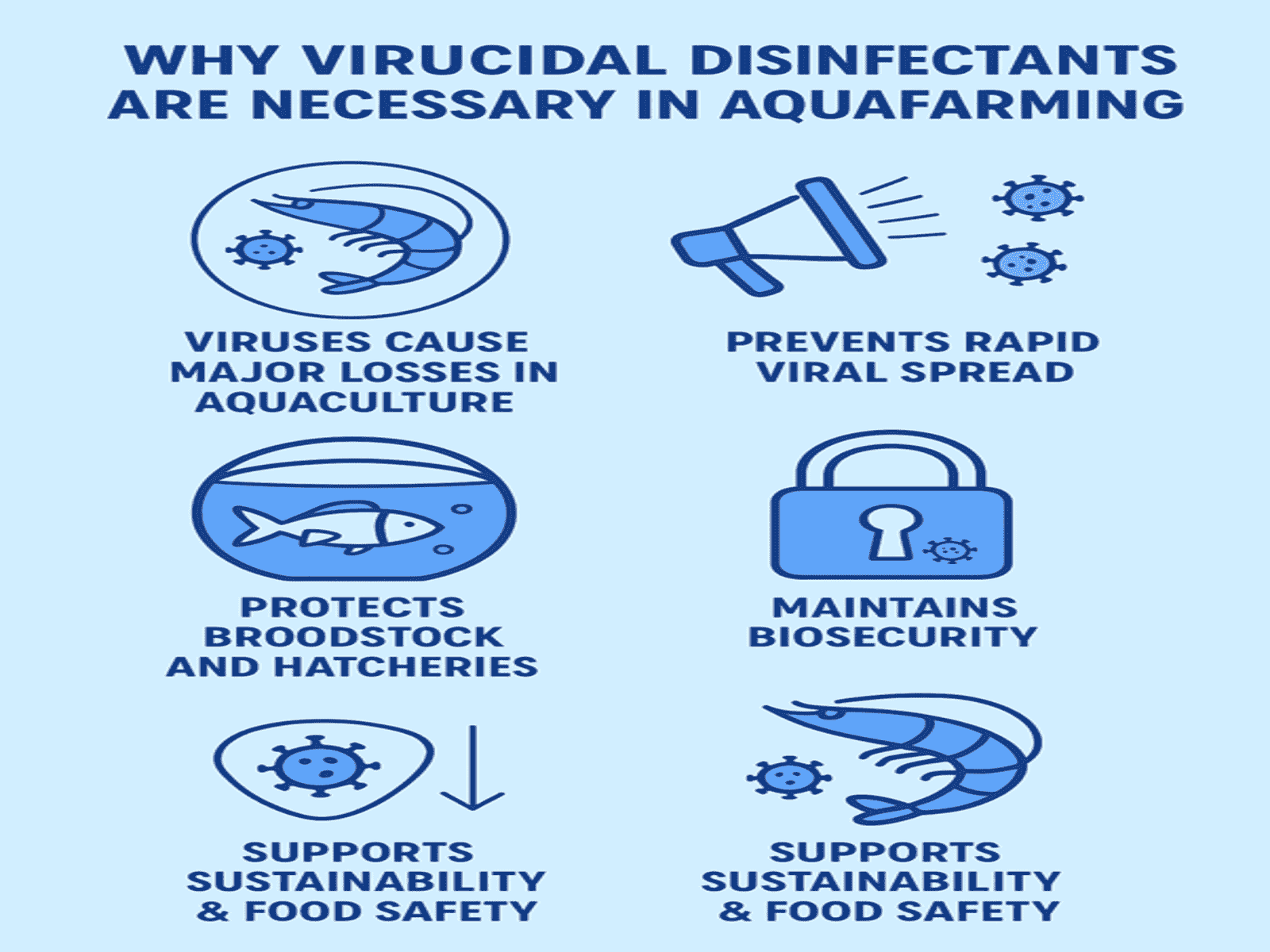
Virucidal importance in disease control in AQUAFARMING
read more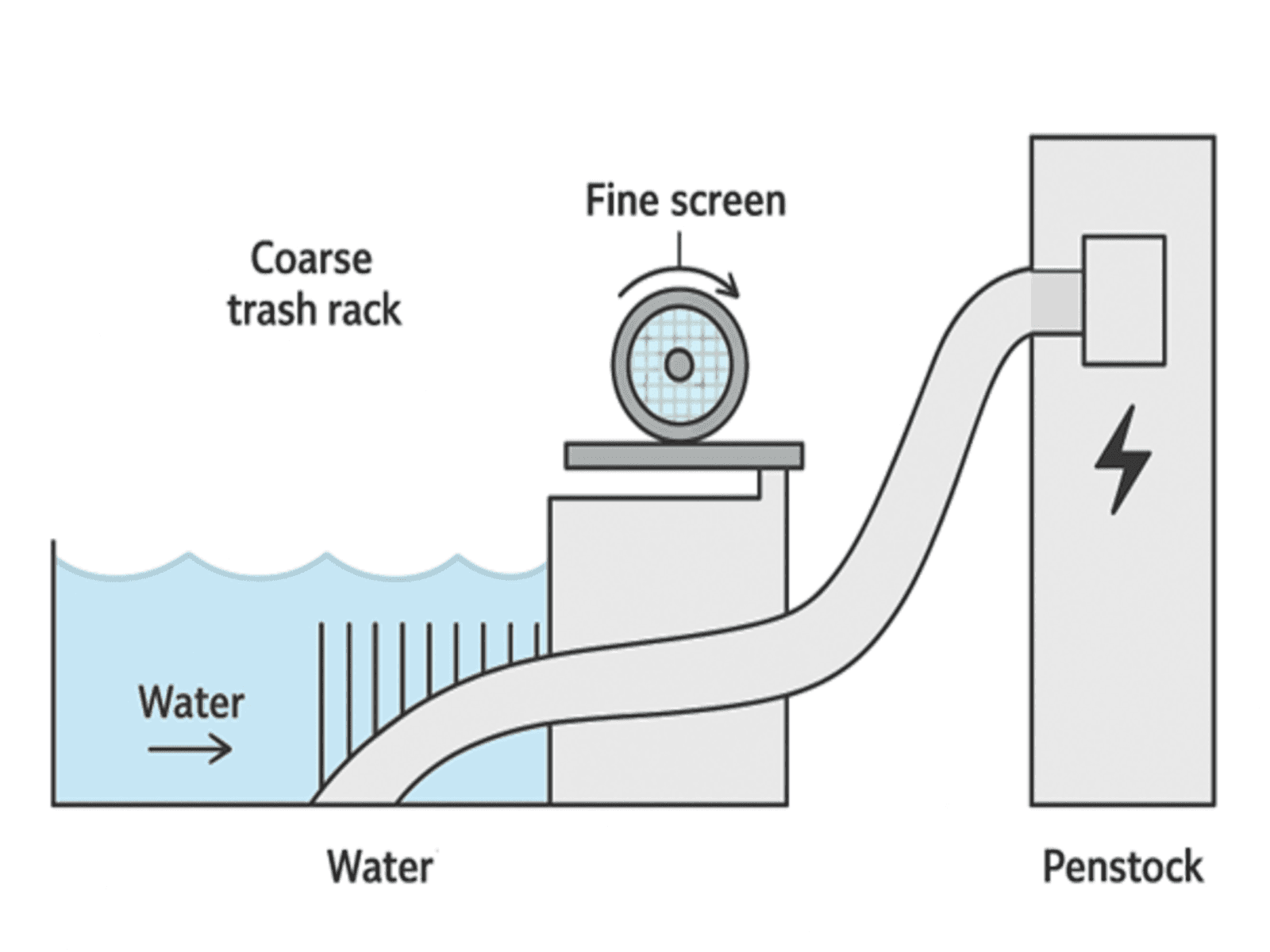
Water Filter Screens in Hydroelectric Power Stations
read more