In-Depth Technical Elaboration on IoT and AI for Theft, Robbery, and Leak Prevention in Utility Supply Systems
admin
In-Depth Technical Elaboration on IoT and AI for Theft, Robbery, and Leak Prevention in Utility Supply Systems
1. Internet of Things (IoT): The Sensory and Communication Backbone
1.1 IoT Sensor Types and Functions
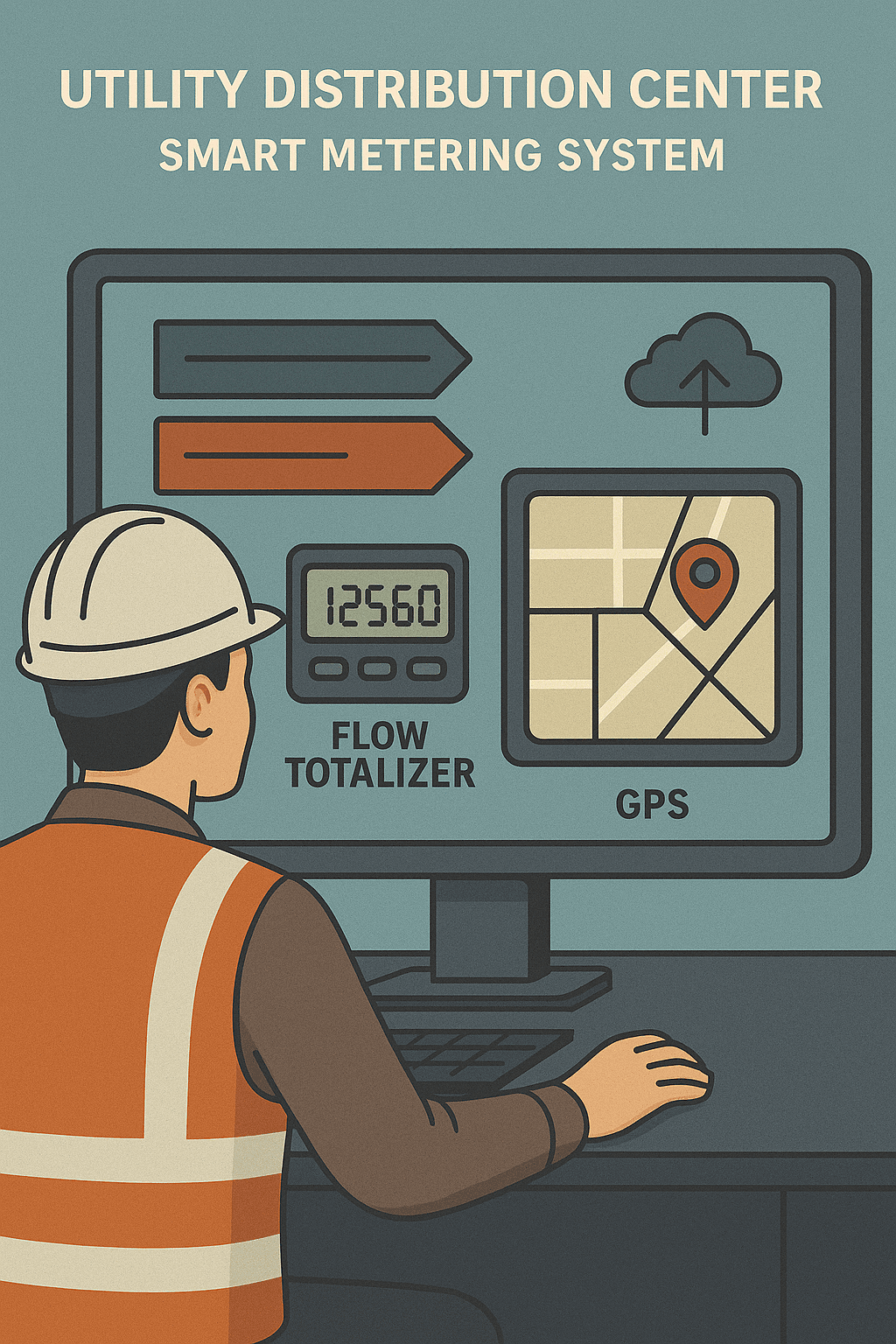
- Flow Sensors: Measure instantaneous and cumulative volume of fluid (water, oil, gas) passing through the pipeline or distribution point.
- Pressure Sensors: Monitor pressure levels upstream and downstream, key for detecting abnormal drops indicating leaks or ruptures.
- Acoustic Sensors: Detect sound/vibrations caused by leaks or mechanical tampering.
- Temperature Sensors: Abnormal temperature changes can hint at leaks, blockages, or tampering.
- Vibration and Motion Sensors: Detect unauthorized physical disturbances or tampering near pipelines or meters.
- Cameras and Drones: Visual monitoring at critical points, integrated with motion detection.
1.2 Communication Infrastructure
- LPWAN Protocols: LoRaWAN, NB-IoT for low-power, long-range data transmission from meters and sensors.
- Mesh Networks: Each IoT node relays data from neighbors to the gateway, increasing robustness.
- Cellular & Satellite: For remote or mobile pipeline segments.
- Edge Gateways: Preprocess sensor data locally, provide initial filtering and response.
1.3 Data Acquisition and Security
- Continuous or periodic sensor data collection.
- Encrypted, authenticated data transmissions.
- Secure firmware to prevent IoT device hacking.
2. Artificial Intelligence (AI): From Data to Intelligence and Action
2.1 Data Analytics and Machine Learning Models
- Anomaly Detection Models:
- Statistical Models: Establish baseline flow, pressure, temperature patterns; detect deviations.
- Supervised Learning: Train classifiers (SVM, Random Forest) on labeled data of known leak/theft events.
- Unsupervised Learning: Clustering and outlier detection to flag new, unseen anomalies.
- Deep Learning: LSTM (Long Short-Term Memory) networks for time-series analysis to predict unusual events.
- Predictive Maintenance Models:
- Use historical sensor data to predict equipment failure or degradation.
- Schedule proactive repairs to avoid leaks or meter malfunctions.
- Behavioral Analytics:
- Profile normal customer or pipeline section consumption.
- Identify irregular usage indicating theft or illegal tapping.
2.2 Real-Time Decision-Making and Automation
- AI systems analyze data streams in real-time, scoring each event’s likelihood of being a leak or theft.
- Alert Generation: Automated alerts sent to operators or maintenance teams.
- Automated Actuation: Integration with valves and shutoff mechanisms for automatic isolation of affected pipeline sections.
Dynamic Resource Allocation: Prioritize field crews based on AI-assessed severity and location.
3. Specific Use Cases: Theft, Robbery, and Leak Prevention Mechanisms
3.1 Theft Detection via IoT + AI
- Unusual Flow Patterns: AI flags sudden drop to zero or sharp increase inconsistent with historical consumption.
- Flow Reversal Detection: Some meters can detect flow direction; reverse flow can indicate bypass or tampering.
- Pressure Anomalies: Unexpected pressure changes near customer premises often indicate illegal tapping.
- Tamper Sensors: Detect opening of meter boxes or physical meter damage.
- AI Behavioral Models: Continuously learn and update normal usage patterns, flagging suspicious deviations.
3.2 Leak Detection and Localization
- Pressure Gradient Analysis: IoT sensors measure pressure at multiple points; AI calculates expected pressure drops and flags abnormal losses.
- Acoustic Leak Detection: Microphone arrays and AI analyze sound signatures to detect and locate leaks with high precision.
- Flow Imbalance: Comparison of inlet vs outlet flow in pipeline segments highlights losses.
- Temperature and Humidity Sensors: Detect moisture or temperature changes indicative of underground leaks.
3.3 Robbery Prevention
- Video Analytics: AI analyzes camera feeds for unauthorized access attempts.
- Intrusion Detection Systems: Motion and vibration sensors trigger immediate alerts.
- Geofencing and GPS Tracking: Track pipeline inspection and maintenance vehicles to prevent internal theft or sabotage.
4. Architecture and Data Flow Example for Leak/Theft Detection System
[IoT Sensors] --> [Edge Gateway / Local Processing] --> [Cloud Platform & AI Engines] --> [Operator Dashboard & Alerts]
| | | |
|---- Data Preprocessing |---- Anomaly Detection Models ----|--- Real-time Alerts -------|
| | | |
|---- Immediate Valve Control (actuation) <-----------------|
- IoT devices measure and transmit data.
- Edge gateways filter noise, perform initial threshold checks.
- Cloud AI models analyze trends, detect anomalies.
- Operators receive alerts and visualized analytics.
- Automated valves can shut off sections immediately upon critical alerts.
5. Benefits and Impact of IoT + AI in Theft and Leak Prevention
| Benefit | Description |
| Rapid Detection & Response | Early leak/theft detection reduces water/oil loss and environmental damage. |
| Reduced Operational Costs | Automated monitoring reduces manual inspections and emergency repairs. |
| Improved Revenue Protection | Detects theft quickly, reducing financial losses. |
| Enhanced Safety & Environmental Protection | Quick leak isolation prevents accidents and contamination. |
| Optimized Maintenance Scheduling | Predictive analytics avoid costly unexpected failures. |
6. Practical Examples and Industry Implementations
- Oil & Gas Pipeline Monitoring: Companies use IoT flow and pressure sensors combined with AI platforms like Microsoft Azure or AWS IoT Analytics to detect leaks within seconds.
- Municipal Water Utilities: Smart meters integrated with AI leak detection reduced non-revenue water by up to 30% in pilot projects.
- Cross-Border Gas Pipelines: Real-time AI analytics on IoT sensor data enable remote monitoring of sensitive international pipelines with immediate alerting on sabotage or illegal tapping.
7. Challenges and Advanced Solutions
| Challenge | Advanced IoT + AI Solutions |
| Sparse Sensor Deployment | AI uses data interpolation and models to estimate conditions in unmonitored segments. |
| Data Quality & Noise | Edge AI performs real-time data cleaning and noise filtering. |
| Cybersecurity Threats | AI-based anomaly detection identifies unusual network traffic or device behavior. |
| Scalability | Cloud AI platforms handle millions of sensor inputs with distributed processing. |
8. Summary
- IoT provides the physical sensing and communication capabilities to continuously monitor pipelines and distribution networks.
- Artificial Intelligence analyzes this massive, high-frequency data to detect leaks, theft, and tampering early and accurately.
- Together, IoT and AI enable automated, real-time protection of pipeline infrastructure, saving costs, protecting resources, and enhancing safety.
Related Posts
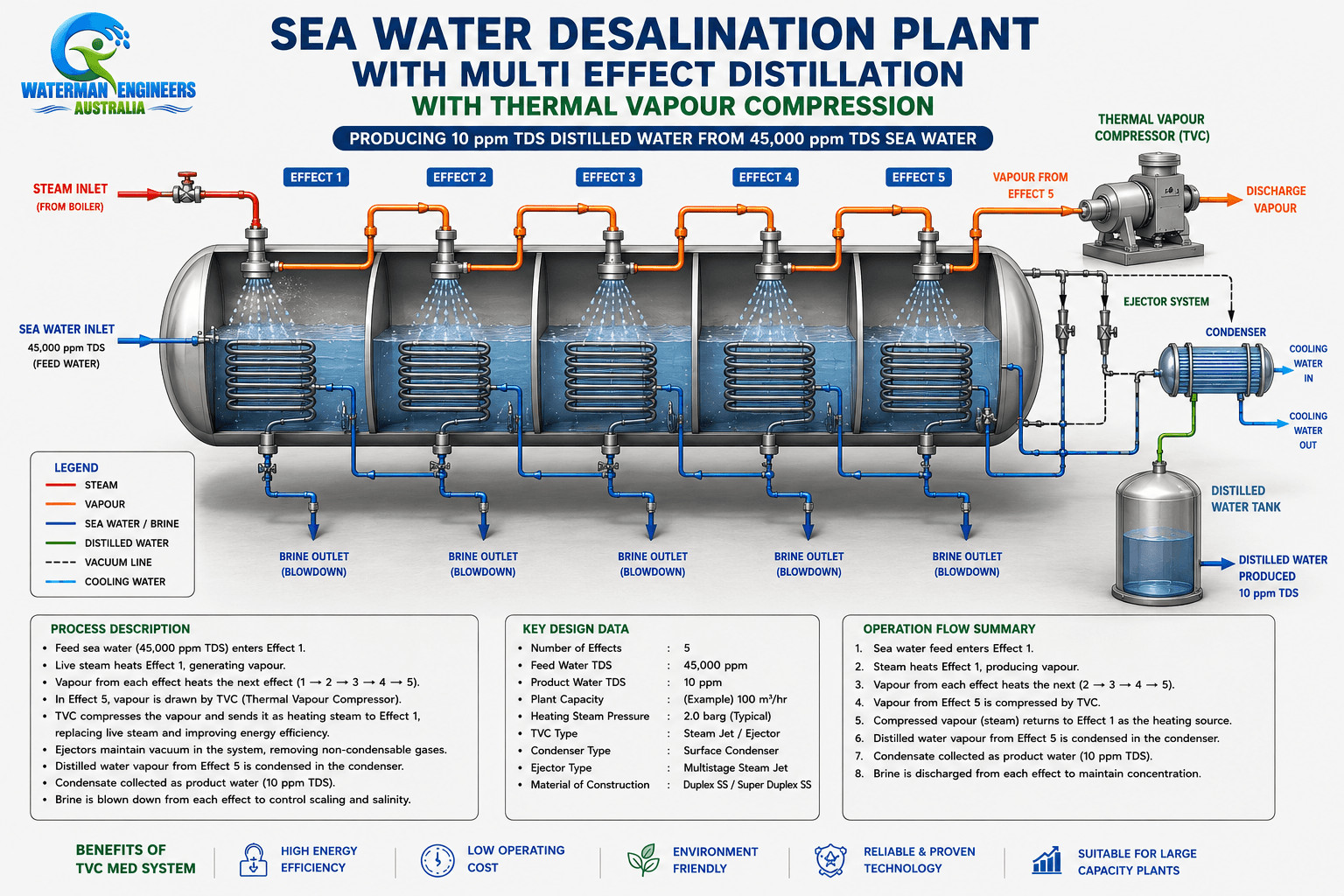
Sea Water Desalination Through Multi-Effect Distillation (MED) With Thermal Vapour Compression (TVC)
read more
Disinfectant for Poutry Farm
read more
Why disinfectant is necessary for aquafarming
read more
How profitability in aquafarming depends on the use of disinfectants
read more
Bio Security in poultry farm—Fogging procedure of disinfectant
read more
Why Disinfectants Are Necessary in Poultry Farms
read more
Virucidal importance in disease control in AQUAFARMING
read more
Water Filter Screens in Hydroelectric Power Stations
read more