Importance of Machine Learning for Desalination Plants in Artificial Intelligence Usage
admin

Importance of Machine Learning for Desalination Plants in Artificial Intelligence Usage
Desalination plants play a critical role in ensuring water security by converting saline water into freshwater. However, these systems are energy-intensive and complex to operate efficiently. Machine Learning (ML), a subset of Artificial Intelligence, offers robust solutions to optimize processes, reduce costs, enhance reliability, and maintain water quality. By learning patterns from data and making predictions or decisions without explicit programming, ML enables a transition from reactive to proactive, data-driven operations.
1. Predictive Maintenance and Fault Detection
Challenges:
- Unexpected equipment failure
- High repair and downtime costs
- Inefficient maintenance schedules
ML Solutions:
- Supervised learning to classify and predict failure modes
- Anomaly detection in sensor data
- Predicting Remaining Useful Life (RUL) for components like membranes and pumps
Benefits:
- Fewer unplanned outages
- Optimized maintenance intervals
- Reduced spare part costs and downtime
2. Energy Optimization
Challenges:
- High energy consumption (up to 50% of total OPEX)
- Variable energy efficiency due to input conditions
ML Solutions:
- Predicting optimal pump speeds and pressures
- Adjusting operations to minimize energy per unit of water produced
- Real-time optimization based on historical and current data
Benefits:
- 10–20% reduction in energy use
- Enhanced energy planning and integration with renewables
- Lower operational costs and emissions
3. Membrane Fouling Prediction and Management
Challenges:
- Decreased performance due to fouling and scaling
- High cleaning and replacement frequency
ML Solutions:
- Classification of fouling types
- Predictive models for fouling events based on pressure drop, conductivity, and flow data
- Optimized cleaning schedules
Benefits:
- Extended membrane life
- Reduced chemical use
- Improved process continuity
4. Water Quality Prediction and Assurance
Challenges:
- Variability in feedwater and risk of non-compliance
- Delays in lab testing
ML Solutions:
- Time-series models to forecast feedwater quality changes
- Predicting treated water parameters (e.g., TDS, pH)
- Real-time alerts for potential quality breaches
Benefits:
- Consistent water output quality
- Automated quality assurance
- Faster decision-making
5. Dynamic Process Control and Optimization
Challenges:
- Fixed control logic cannot adapt to real-time changes
- Difficulty managing complex multivariate systems
ML Solutions:
- Reinforcement learning for adaptive control strategies
- Model Predictive Control (MPC) for multi-variable systems
- Self-learning control loops
Benefits:
- Better recovery rates
- Greater stability
- Reduction in manual tuning and interventions
6. Forecasting and Strategic Planning
Challenges:
- Inaccurate water demand forecasts
- Poor planning of maintenance and upgrades
ML Solutions:
- Demand forecasting using historical and environmental data
- Brine and chemical usage predictions
- Lifecycle planning for assets
Benefits:
- Better resource allocation
- Improved infrastructure planning
- Lower operational risk
7. Integration with Digital Twins and IoT
Challenges:
- Lack of system-wide visibility
- Difficulty validating operational decisions
ML Solutions:
- Powering digital twins with ML models
- Continuous simulation and optimization
- Automated learning from IoT sensor data
Benefits:
- Risk-free experimentation
- Holistic process optimization
- Real-time decision support
8. Environmental Impact Reduction
Challenges:
- Environmental concerns about brine discharge
- Carbon emissions from high energy use
ML Solutions:
- Predicting brine impact and salinity patterns
- CO₂ emissions estimation models
- Optimization for minimal environmental load
Benefits:
- Better environmental compliance
- Sustainability performance tracking
- Improved stakeholder confidence
Conclusion
Machine Learning is becoming an essential tool for modern desalination plants, enabling them to transition from traditional reactive models to intelligent, predictive systems. From optimizing energy use and membrane performance to ensuring water quality and environmental compliance, ML empowers plant operators with actionable insights and automation capabilities. Embracing machine learning is key to making desalination sustainable, resilient, and economically viable for future water needs.
Related Posts
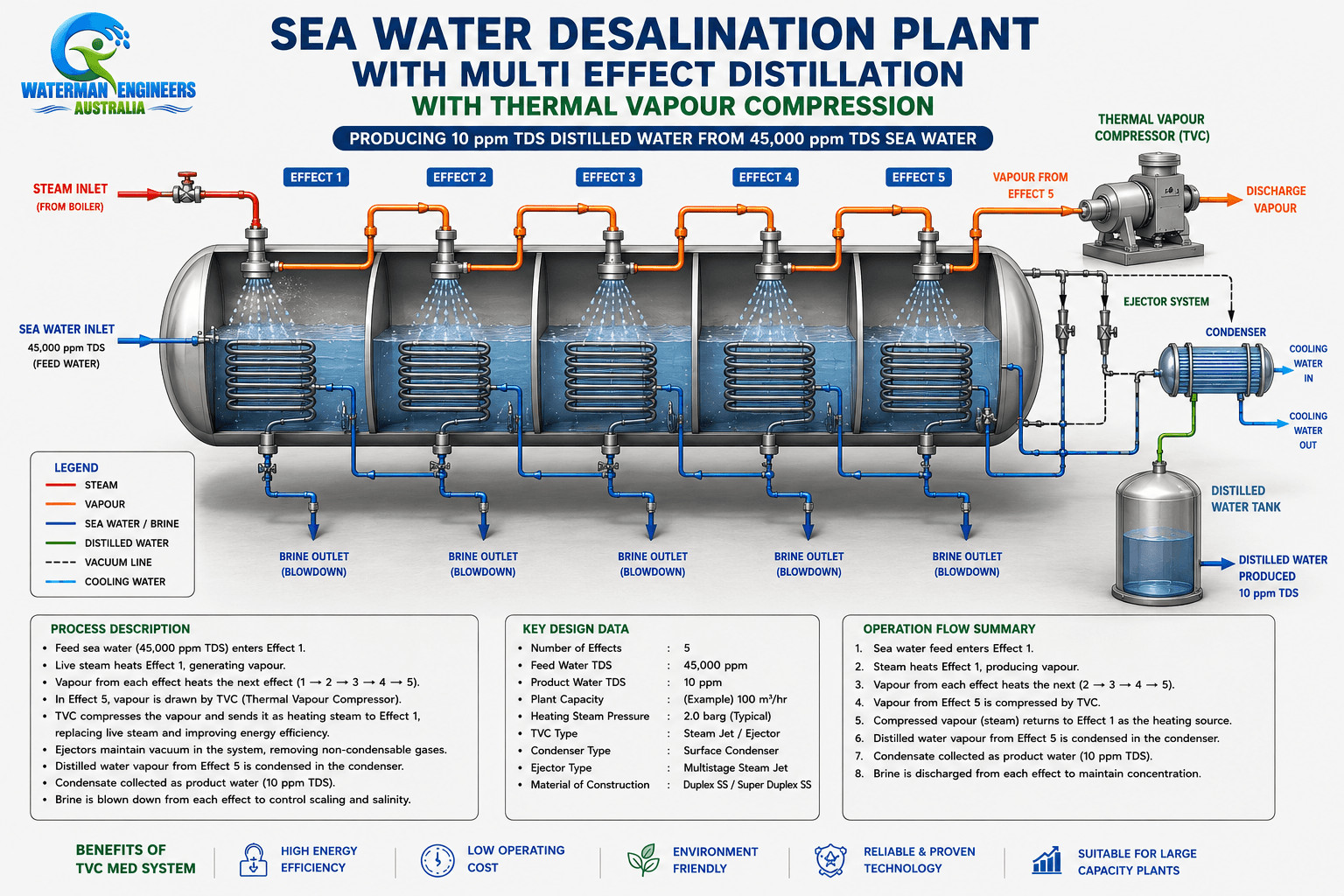
Sea Water Desalination Through Multi-Effect Distillation (MED) With Thermal Vapour Compression (TVC)
read more
Disinfectant for Poutry Farm
read more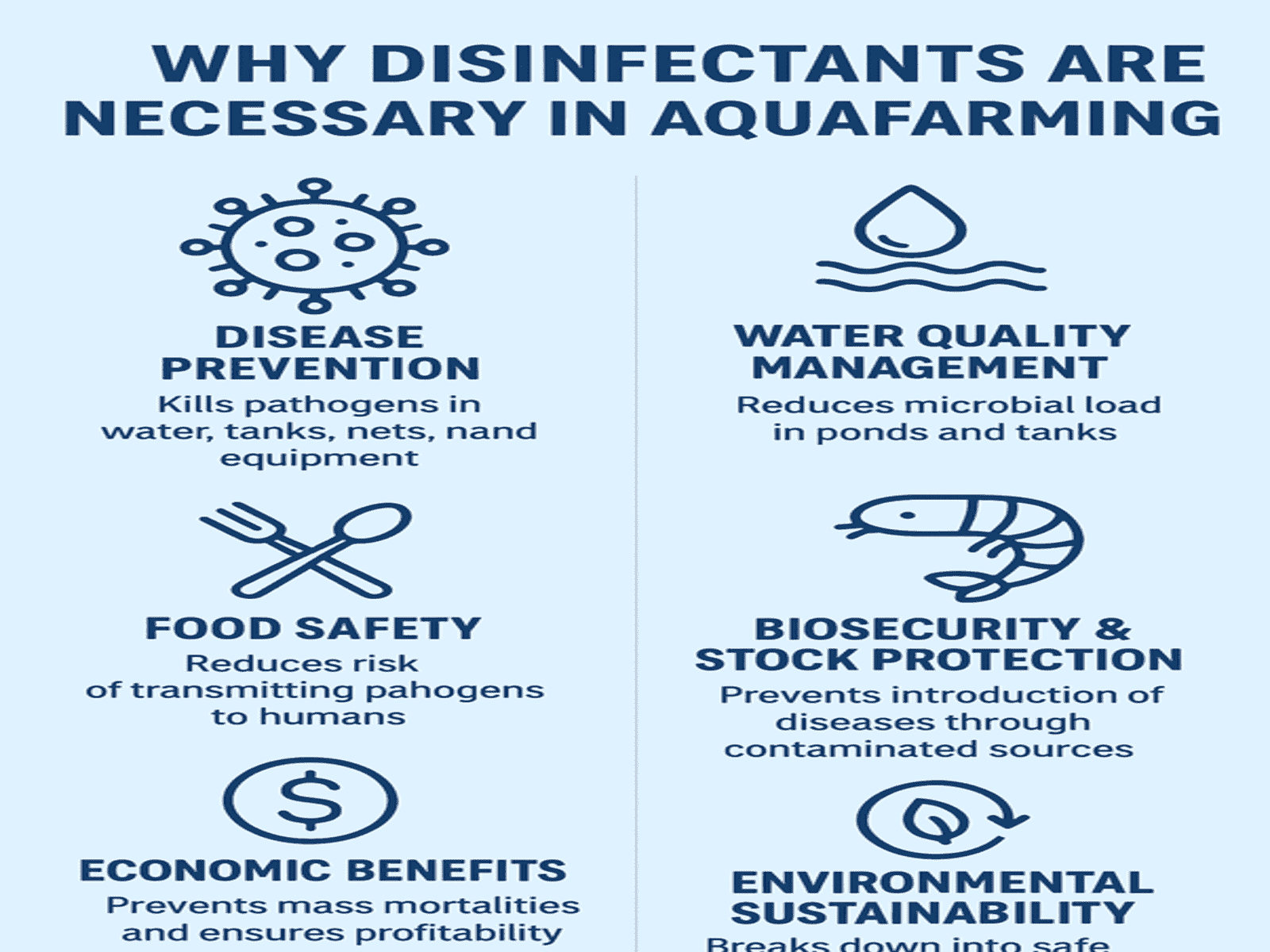
Why disinfectant is necessary for aquafarming
read more
How profitability in aquafarming depends on the use of disinfectants
read more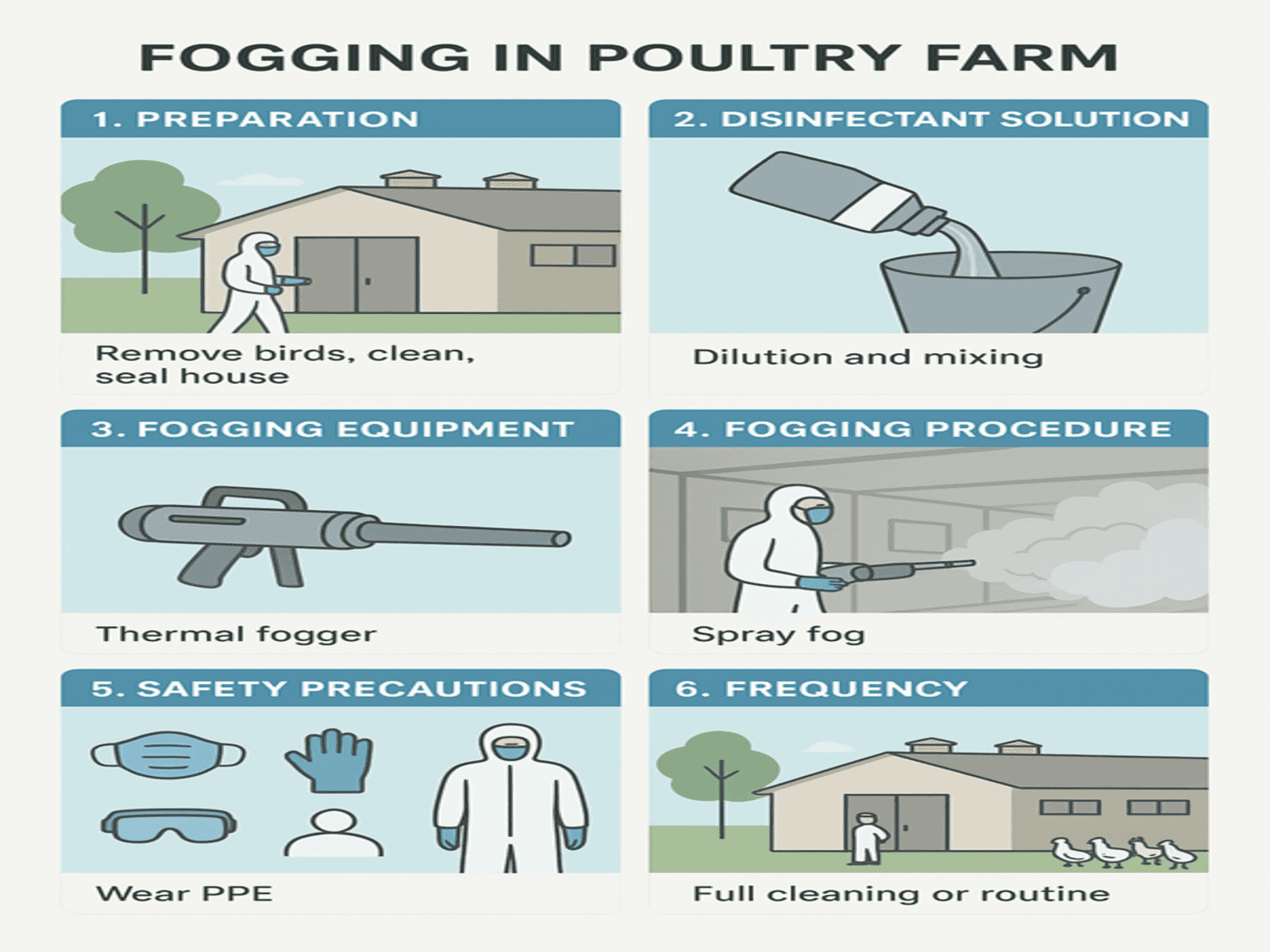
Bio Security in poultry farm—Fogging procedure of disinfectant
read more
Why Disinfectants Are Necessary in Poultry Farms
read more
Virucidal importance in disease control in AQUAFARMING
read more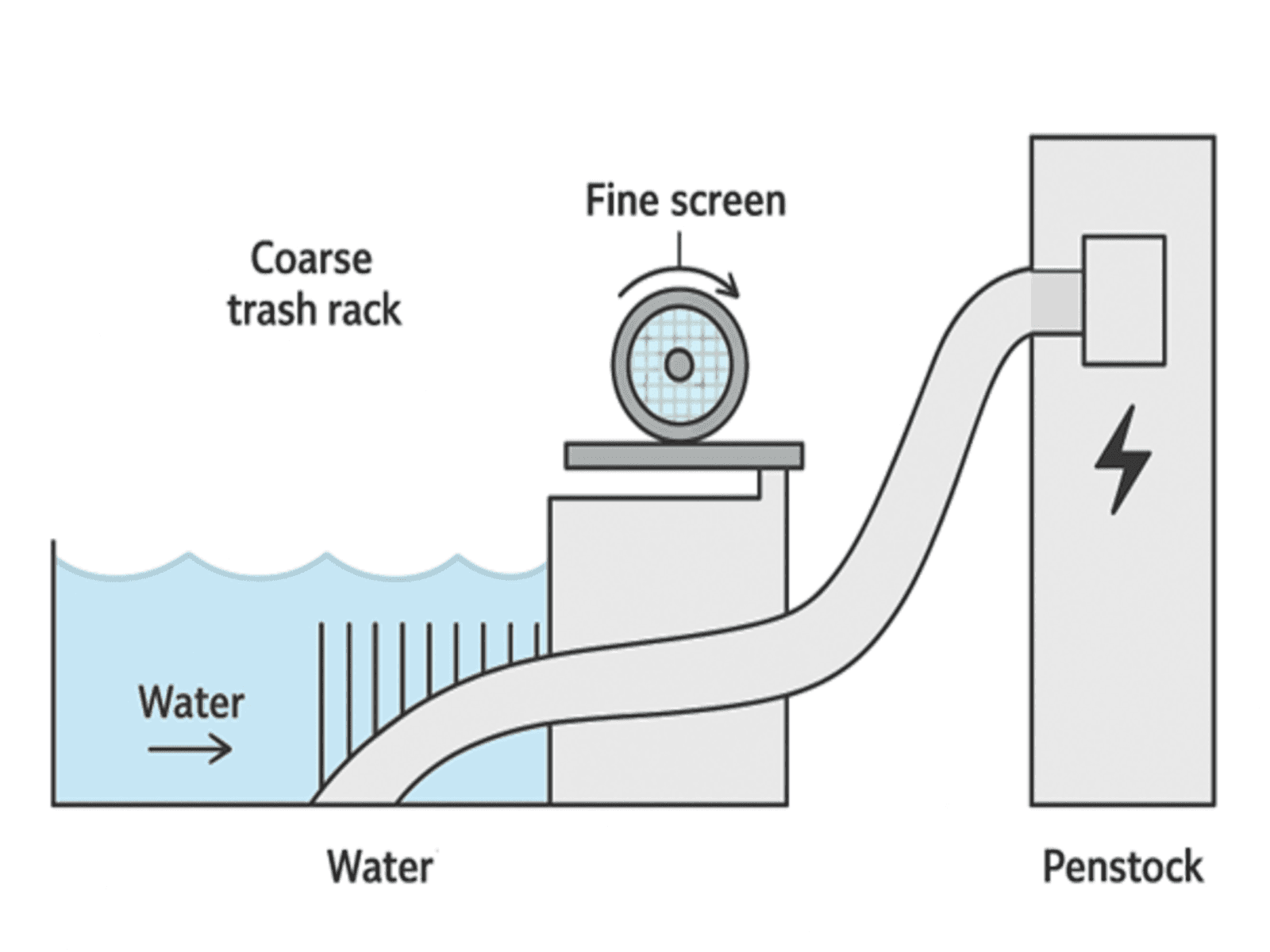
Water Filter Screens in Hydroelectric Power Stations
read more