How to Monitor and Maintain Zero Liquid Discharge Systems?
open
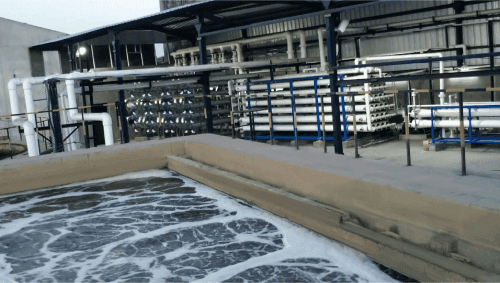
Zero liquid discharge (ZLD) systems are highly effective at minimizing wastewater discharge and reducing environmental impact. However, to ensure the continued success of these systems, it is essential to monitor and maintain them properly. Here are some tips on how to monitor and maintain ZLD systems, along with an example schema code to help structure a maintenance plan.
Monitoring ZLD SystemsRegular monitoring of ZLD systems helps identify any issues early on, preventing more significant problems from occurring. Here are some steps to follow when monitoring a ZLD system:
- Record flow rates: Keep a record of the flow rate of feedwater and concentrate. Any significant changes can indicate issues in the system.
- Monitor conductivity: Conductivity is an indicator of the total dissolved solids in the water. Monitoring it helps ensure the ZLD system is functioning correctly.
- Check pH levels: pH levels outside of the normal range can indicate issues with the system's membrane or chemical treatment.
- Monitor membrane fouling: Membrane fouling can affect system performance. Regular monitoring can help identify fouling issues before they cause significant problems.
- Monitor chemical dosing: Ensure that the correct dosage of chemicals is being used, and monitor for any signs of over or under-dosing.

Maintaining ZLD Systems
Maintaining a ZLD system involves ensuring that all components are functioning correctly and addressing any issues as they arise. Here are some tips on how to maintain a ZLD system:
- Regular cleaning: Membrane cleaning is necessary to maintain their performance. A regular cleaning schedule helps prevent fouling.
- Replace consumables: Replace consumable components such as filters and membranes according to the manufacturer's recommendations.
- Check pumps and valves: Regularly inspect pumps and valves to ensure that they are functioning correctly.
- Inspect electrical components: Check electrical components such as motors, sensors, and control systems to ensure that they are working correctly.
- Perform chemical analysis: Regularly test the chemical makeup of the feedwater and concentrate to ensure that chemical dosing is correct.
Related Posts
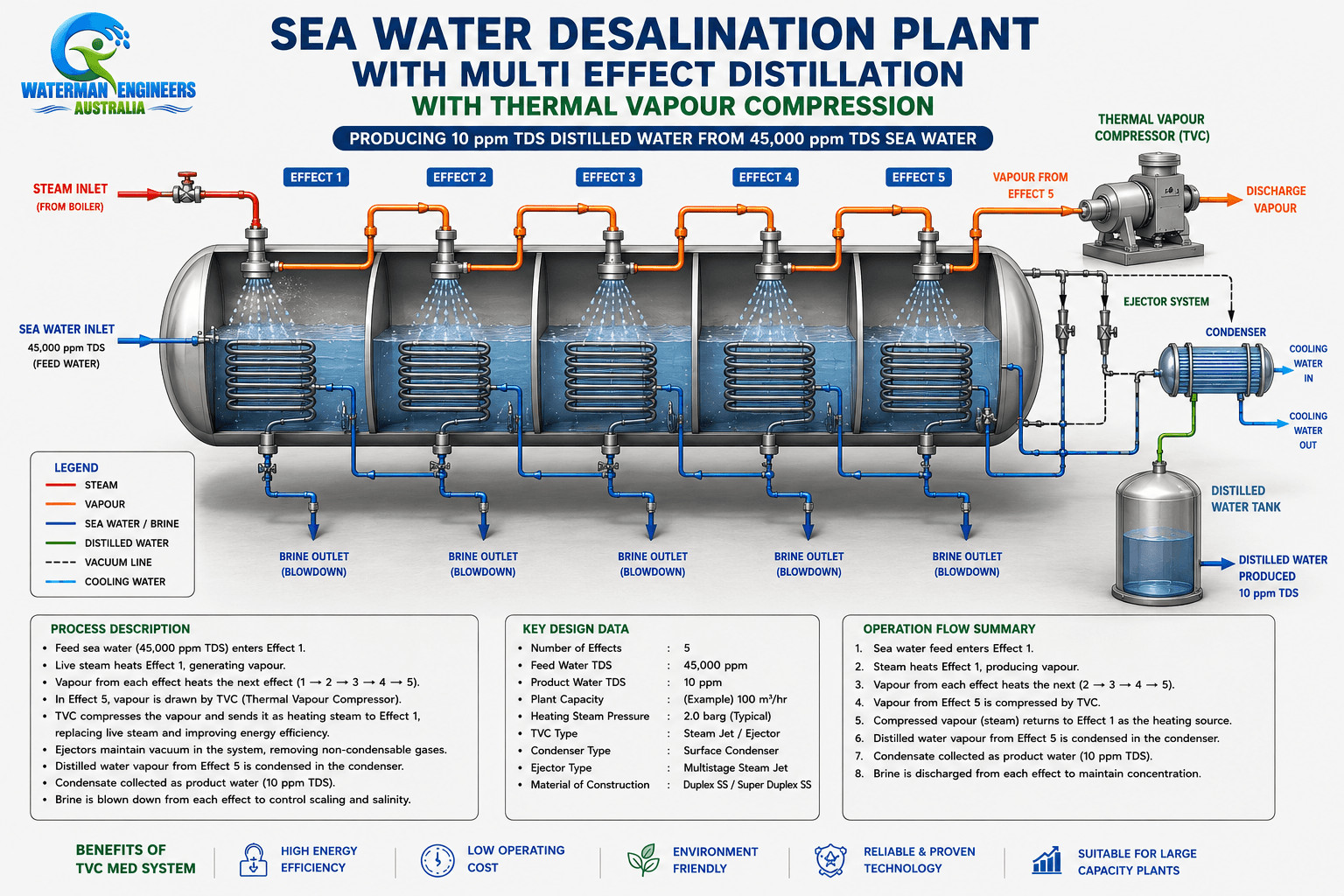
Sea Water Desalination Through Multi-Effect Distillation (MED) With Thermal Vapour Compression (TVC)
read more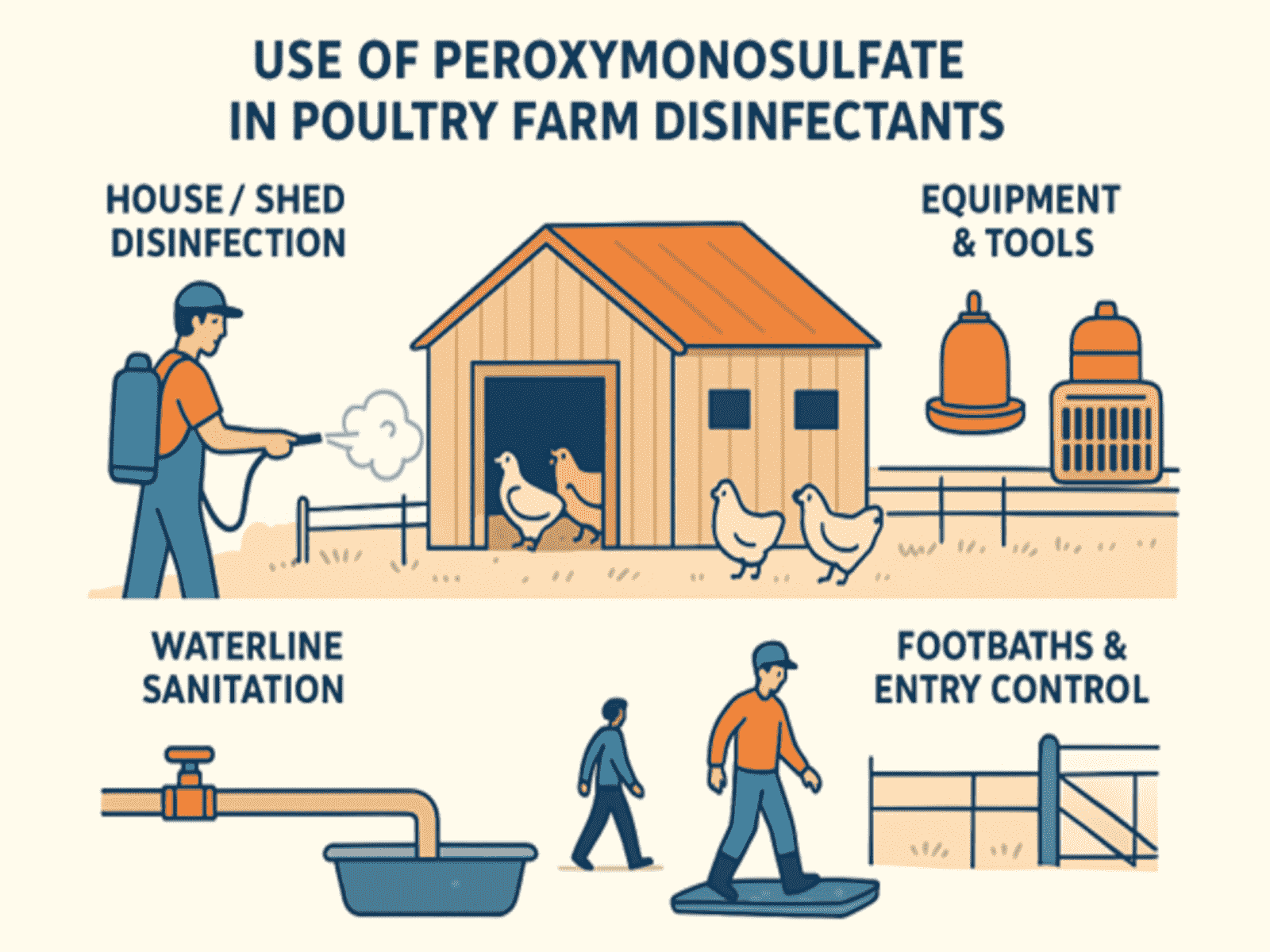
Disinfectant for Poutry Farm
read more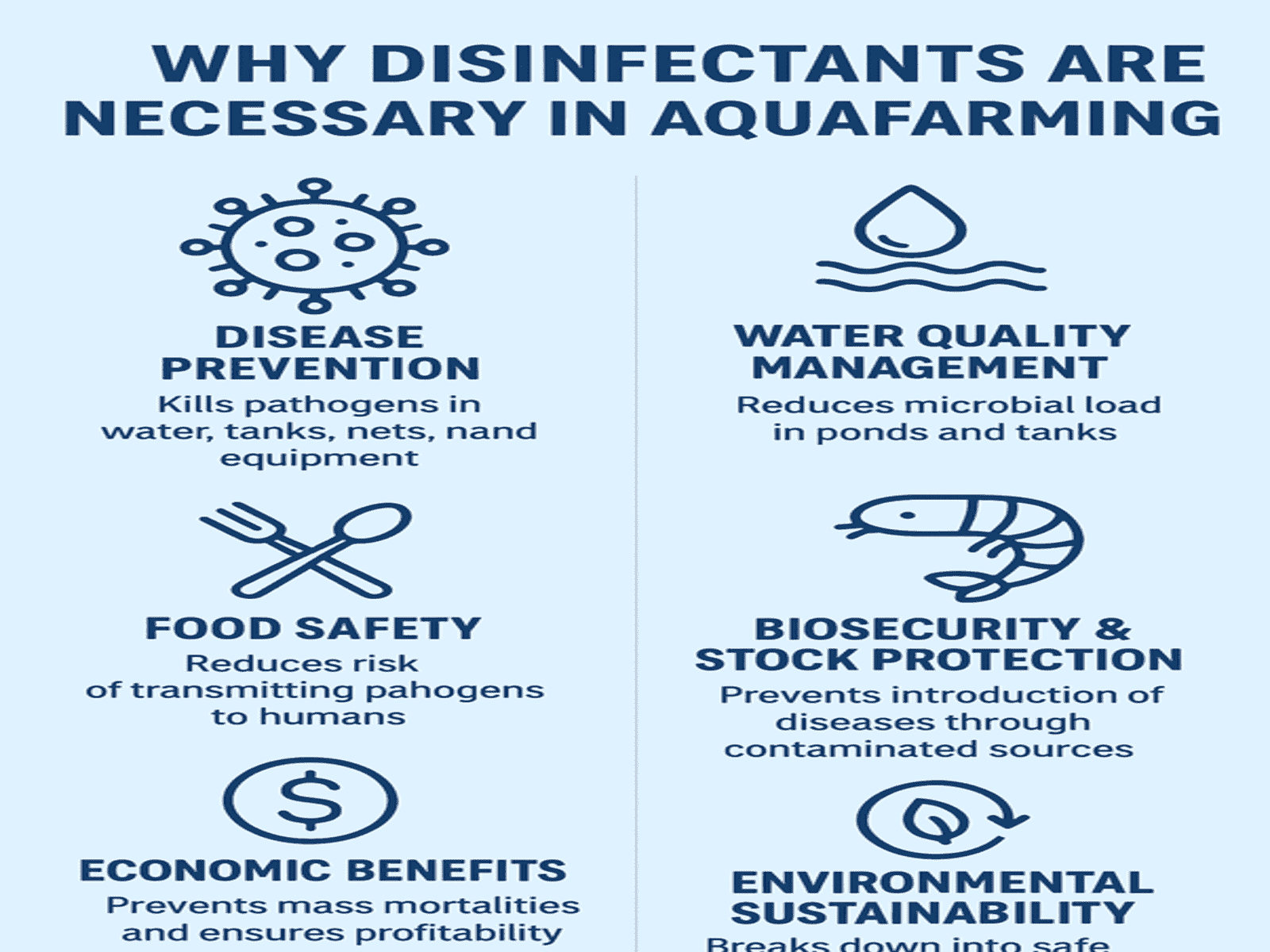
Why disinfectant is necessary for aquafarming
read more
How profitability in aquafarming depends on the use of disinfectants
read more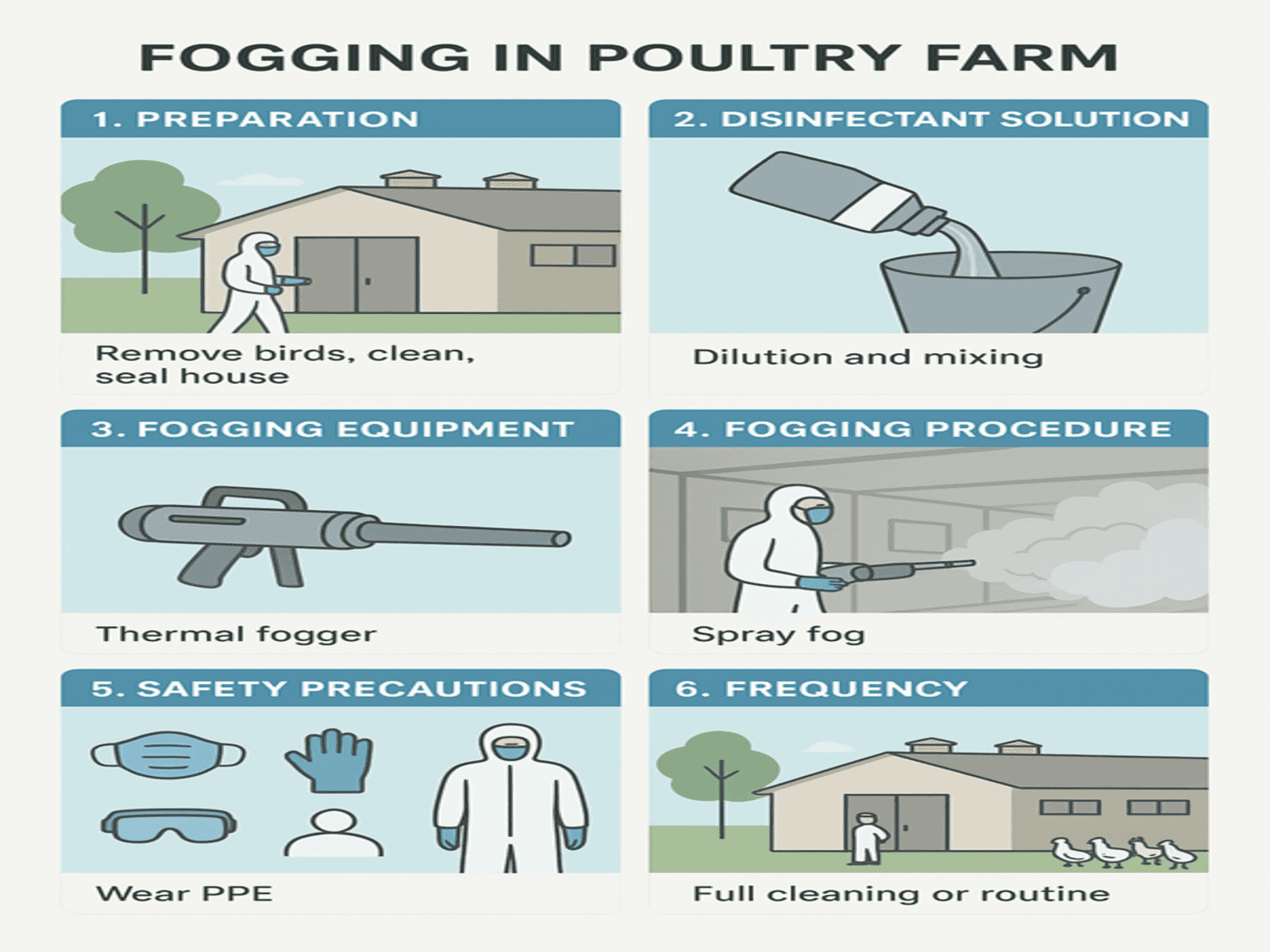
Bio Security in poultry farm—Fogging procedure of disinfectant
read more
Why Disinfectants Are Necessary in Poultry Farms
read more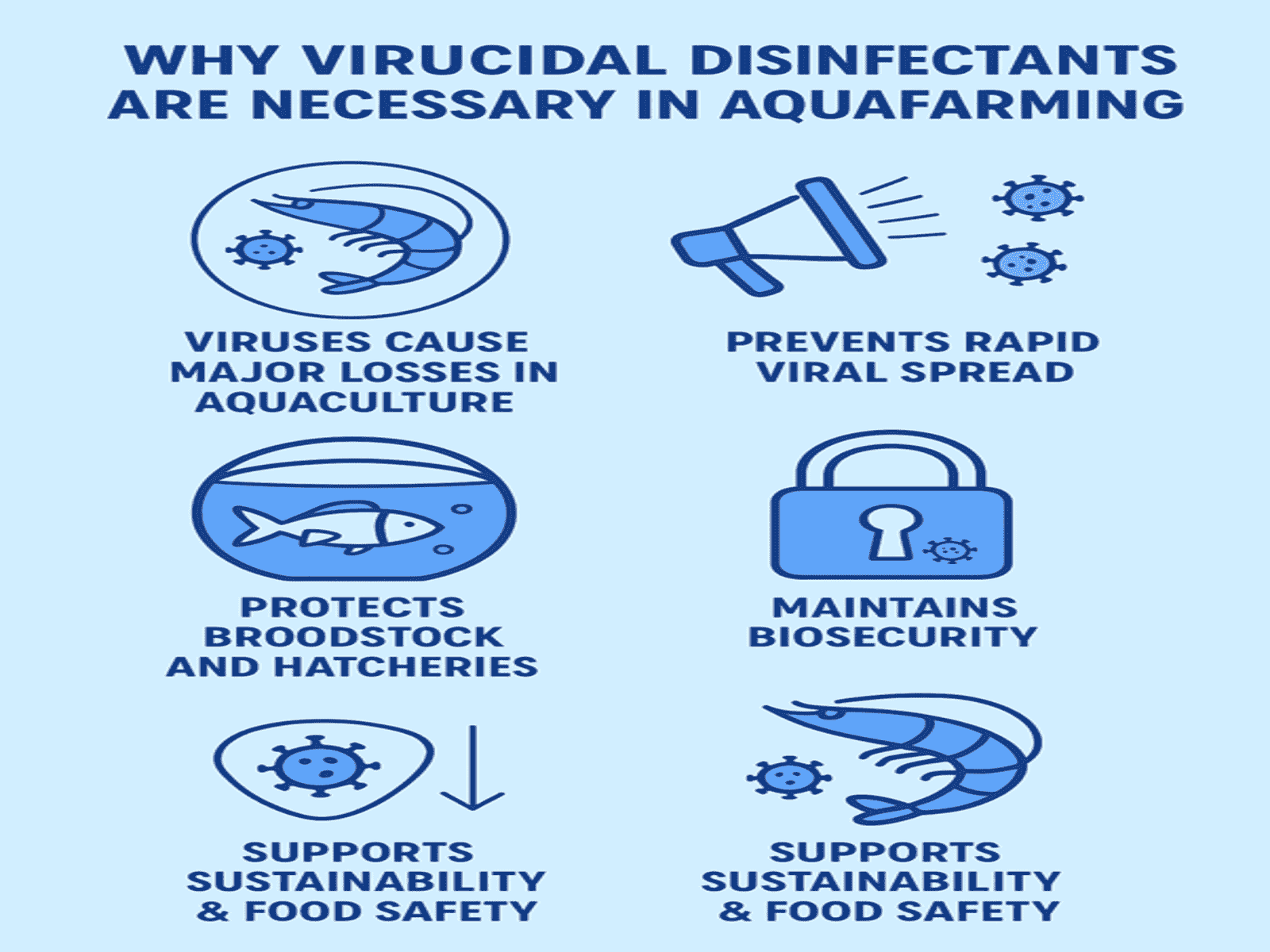
Virucidal importance in disease control in AQUAFARMING
read more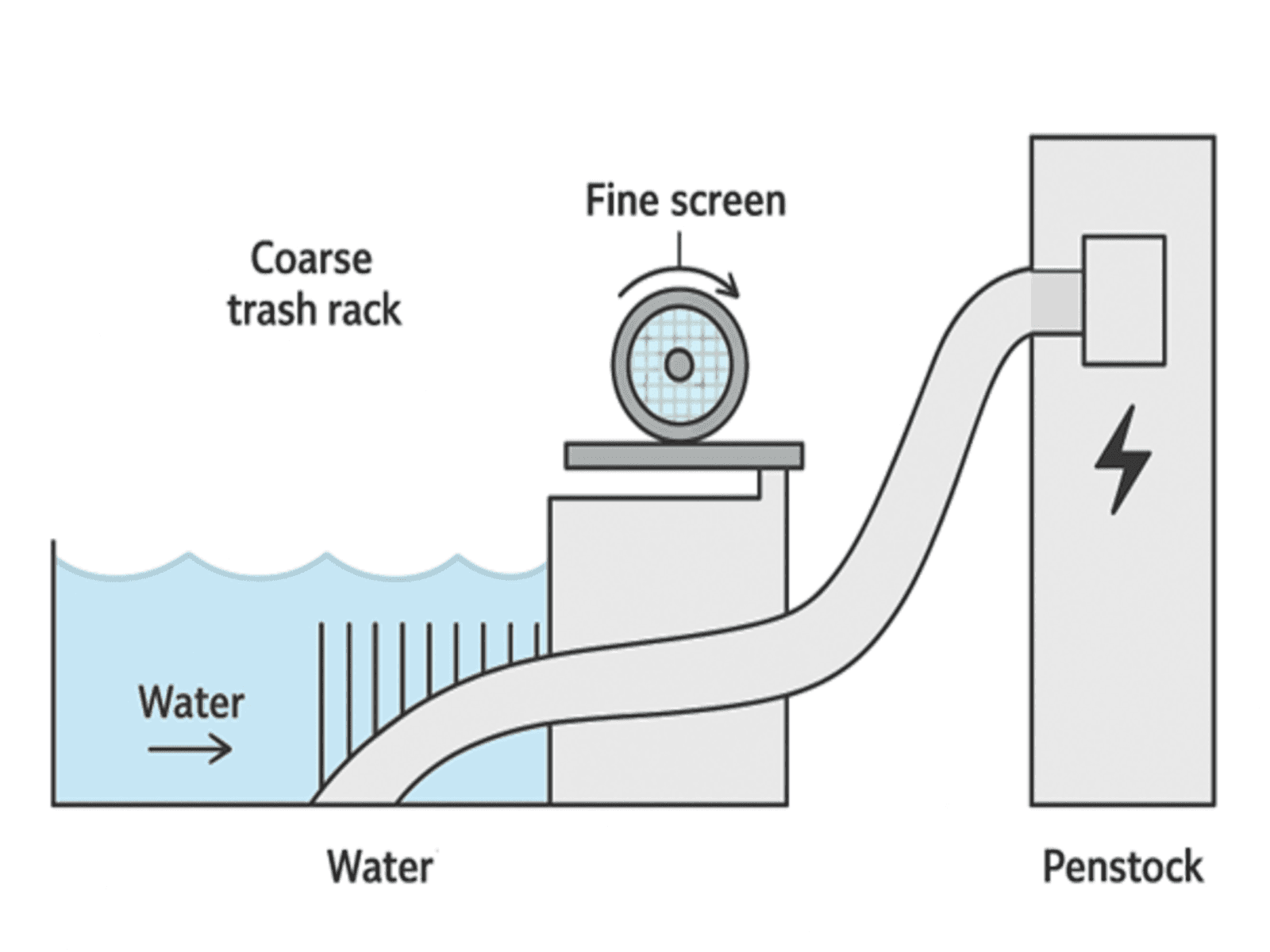
Water Filter Screens in Hydroelectric Power Stations
read more