How to Conduct Cost-Benefit Analysis for Zero Liquid Discharge Implementation?
open
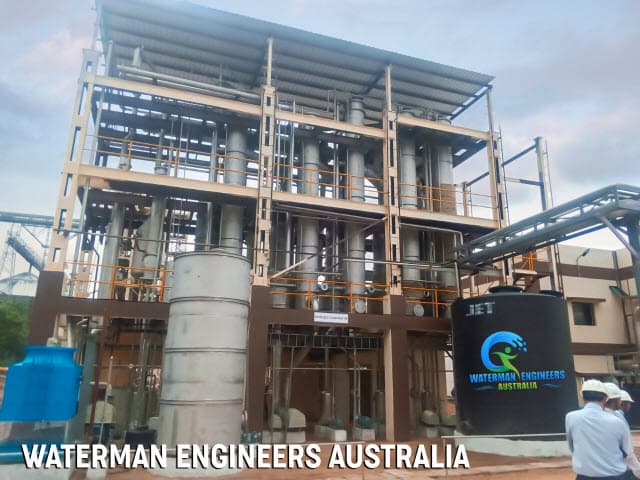
Zero Liquid Discharge (ZLD) is a process where wastewater is purified and recycled, and all pollutants and contaminants are removed before the water is discharged into the environment. The implementation of ZLD systems can be expensive, so conducting a cost-benefit analysis is crucial to determine whether the benefits outweigh the costs. Here's a step-by-step guide on how to conduct a cost-benefit analysis for ZLD implementation:
 Step 1: Identify the Costs First, identify all the costs associated with implementing a ZLD system. These costs include capital costs (i.e., the cost of purchasing and installing equipment), operating costs (i.e., the cost of energy, chemicals, and labor required to operate the system), and maintenance costs (i.e., the cost of repairing and replacing equipment).
Step 2: Quantify the Costs Once you have identified the costs, quantify them by estimating the amount of money that will be required to cover each cost. Use quotes from suppliers and contractors to estimate capital costs. Use historical data and industry benchmarks to estimate operating and maintenance costs.
Step 3: Identify the Benefits Next, identify all the benefits associated with implementing a ZLD system. These benefits include reduced water consumption, reduced wastewater discharge, and reduced pollution. Quantify the benefits by estimating the amount of money that will be saved or gained from each benefit.
Step 4: Quantify the Benefits Estimate the amount of money that will be saved or gained from each benefit. For example, if the ZLD system reduces water consumption by 50%, estimate the amount of money that will be saved on water bills.
Step 5: Calculate the Net Present Value (NPV) Calculate the NPV of the costs and benefits over the expected lifetime of the ZLD system. The NPV is the difference between the present value of the benefits and the present value of the costs. This calculation takes into account the time value of money and allows you to determine whether the benefits of the ZLD system outweigh the costs.
Step 6: Analyze the Sensitivity of the Analysis Analyze the sensitivity of the analysis by varying the assumptions used in the cost-benefit analysis. For example, increase or decrease the cost of energy or chemicals to see how it affects the NPV.
By conducting a cost-benefit analysis using the steps outlined above, you can determine whether implementing a ZLD system is a financially viable option for your organization.
Step 1: Identify the Costs First, identify all the costs associated with implementing a ZLD system. These costs include capital costs (i.e., the cost of purchasing and installing equipment), operating costs (i.e., the cost of energy, chemicals, and labor required to operate the system), and maintenance costs (i.e., the cost of repairing and replacing equipment).
Step 2: Quantify the Costs Once you have identified the costs, quantify them by estimating the amount of money that will be required to cover each cost. Use quotes from suppliers and contractors to estimate capital costs. Use historical data and industry benchmarks to estimate operating and maintenance costs.
Step 3: Identify the Benefits Next, identify all the benefits associated with implementing a ZLD system. These benefits include reduced water consumption, reduced wastewater discharge, and reduced pollution. Quantify the benefits by estimating the amount of money that will be saved or gained from each benefit.
Step 4: Quantify the Benefits Estimate the amount of money that will be saved or gained from each benefit. For example, if the ZLD system reduces water consumption by 50%, estimate the amount of money that will be saved on water bills.
Step 5: Calculate the Net Present Value (NPV) Calculate the NPV of the costs and benefits over the expected lifetime of the ZLD system. The NPV is the difference between the present value of the benefits and the present value of the costs. This calculation takes into account the time value of money and allows you to determine whether the benefits of the ZLD system outweigh the costs.
Step 6: Analyze the Sensitivity of the Analysis Analyze the sensitivity of the analysis by varying the assumptions used in the cost-benefit analysis. For example, increase or decrease the cost of energy or chemicals to see how it affects the NPV.
By conducting a cost-benefit analysis using the steps outlined above, you can determine whether implementing a ZLD system is a financially viable option for your organization.
Step 1: Identify the Costs First, identify all the costs associated with implementing a ZLD system. These costs include capital costs (i.e., the cost of purchasing and installing equipment), operating costs (i.e., the cost of energy, chemicals, and labor required to operate the system), and maintenance costs (i.e., the cost of repairing and replacing equipment).
Step 2: Quantify the Costs Once you have identified the costs, quantify them by estimating the amount of money that will be required to cover each cost. Use quotes from suppliers and contractors to estimate capital costs. Use historical data and industry benchmarks to estimate operating and maintenance costs.
Step 3: Identify the Benefits Next, identify all the benefits associated with implementing a ZLD system. These benefits include reduced water consumption, reduced wastewater discharge, and reduced pollution. Quantify the benefits by estimating the amount of money that will be saved or gained from each benefit.
Step 4: Quantify the Benefits Estimate the amount of money that will be saved or gained from each benefit. For example, if the ZLD system reduces water consumption by 50%, estimate the amount of money that will be saved on water bills.
Step 5: Calculate the Net Present Value (NPV) Calculate the NPV of the costs and benefits over the expected lifetime of the ZLD system. The NPV is the difference between the present value of the benefits and the present value of the costs. This calculation takes into account the time value of money and allows you to determine whether the benefits of the ZLD system outweigh the costs.
Step 6: Analyze the Sensitivity of the Analysis Analyze the sensitivity of the analysis by varying the assumptions used in the cost-benefit analysis. For example, increase or decrease the cost of energy or chemicals to see how it affects the NPV.
By conducting a cost-benefit analysis using the steps outlined above, you can determine whether implementing a ZLD system is a financially viable option for your organization.
Related Posts
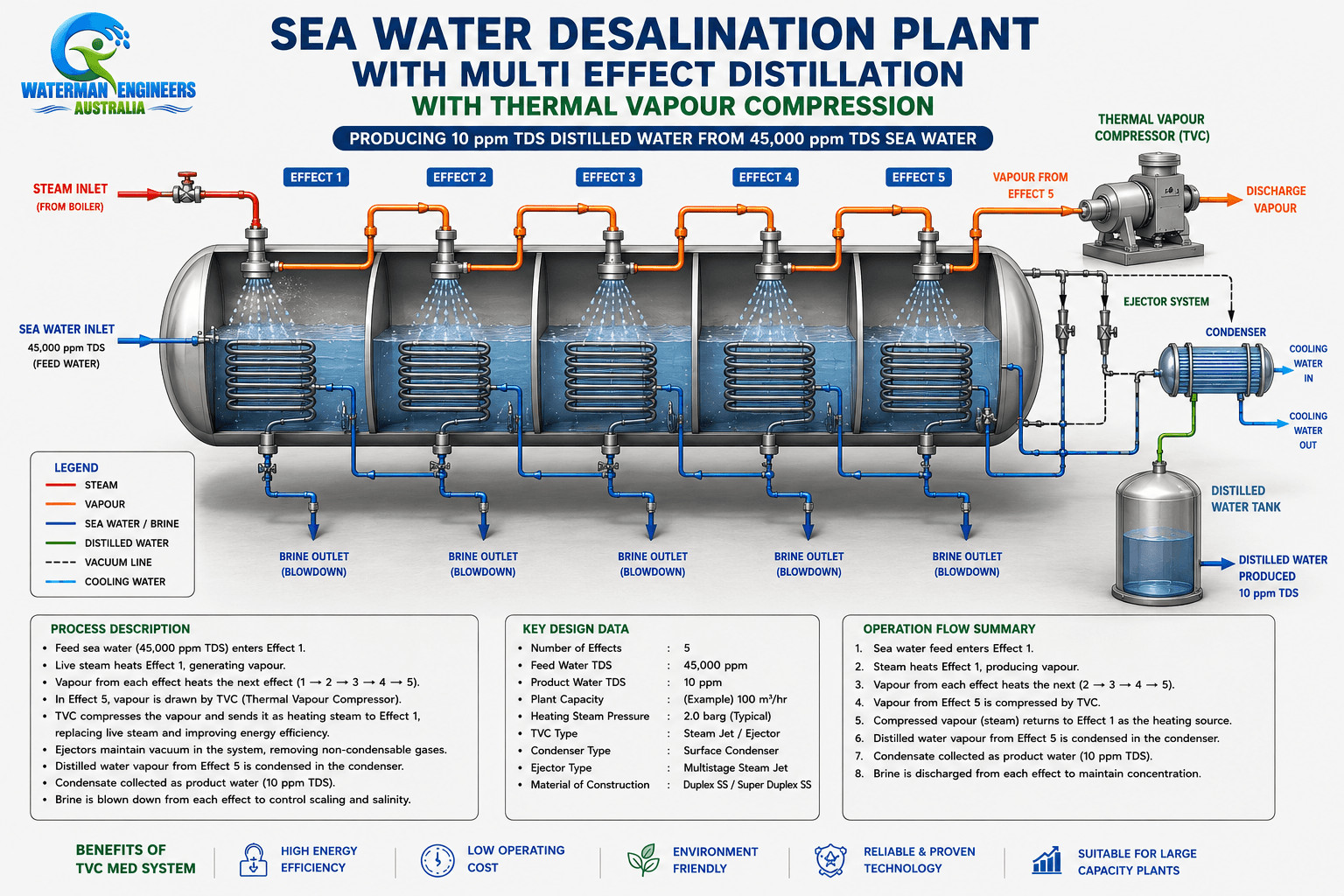
Sea Water Desalination Through Multi-Effect Distillation (MED) With Thermal Vapour Compression (TVC)
read more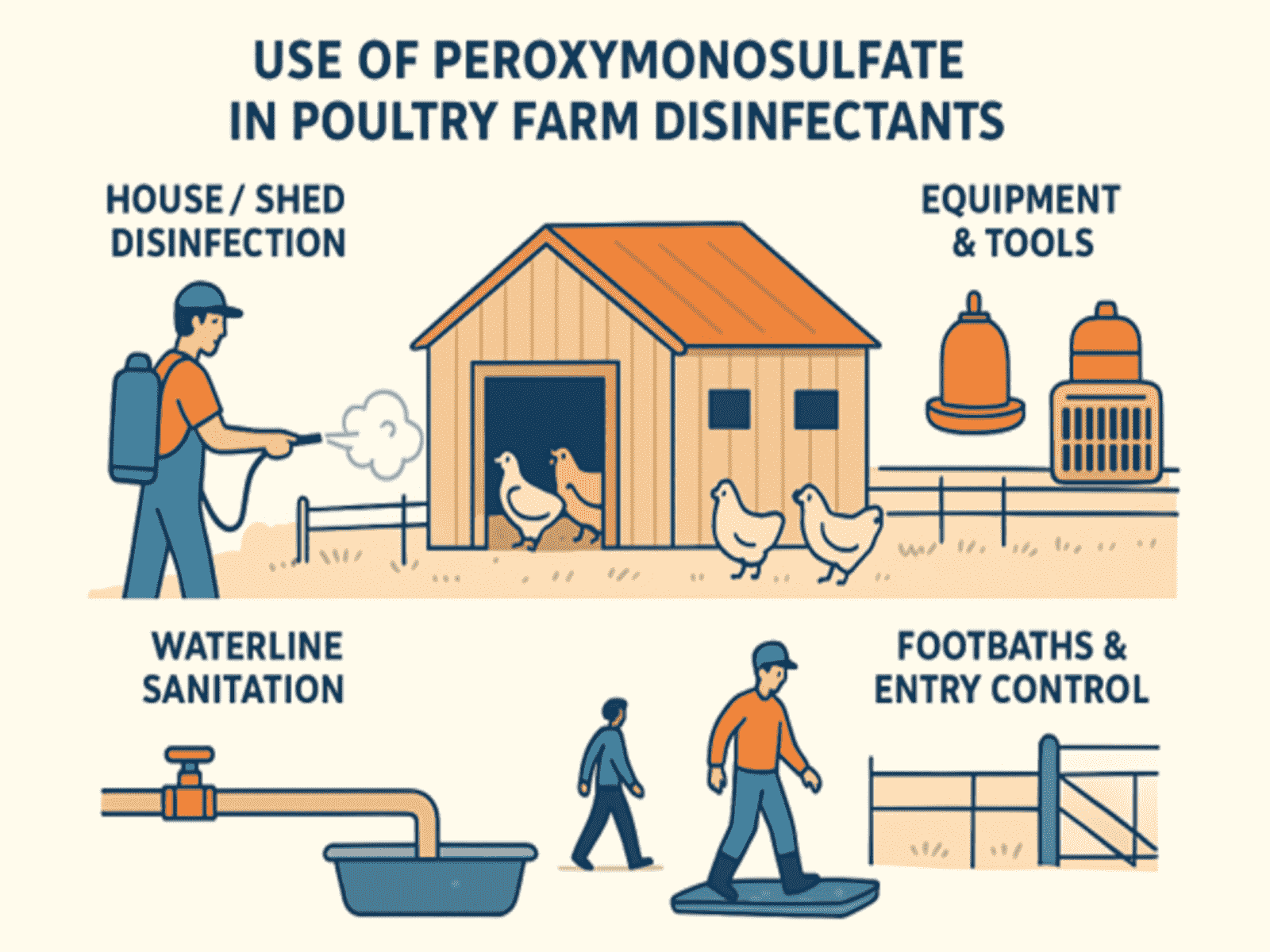
Disinfectant for Poutry Farm
read more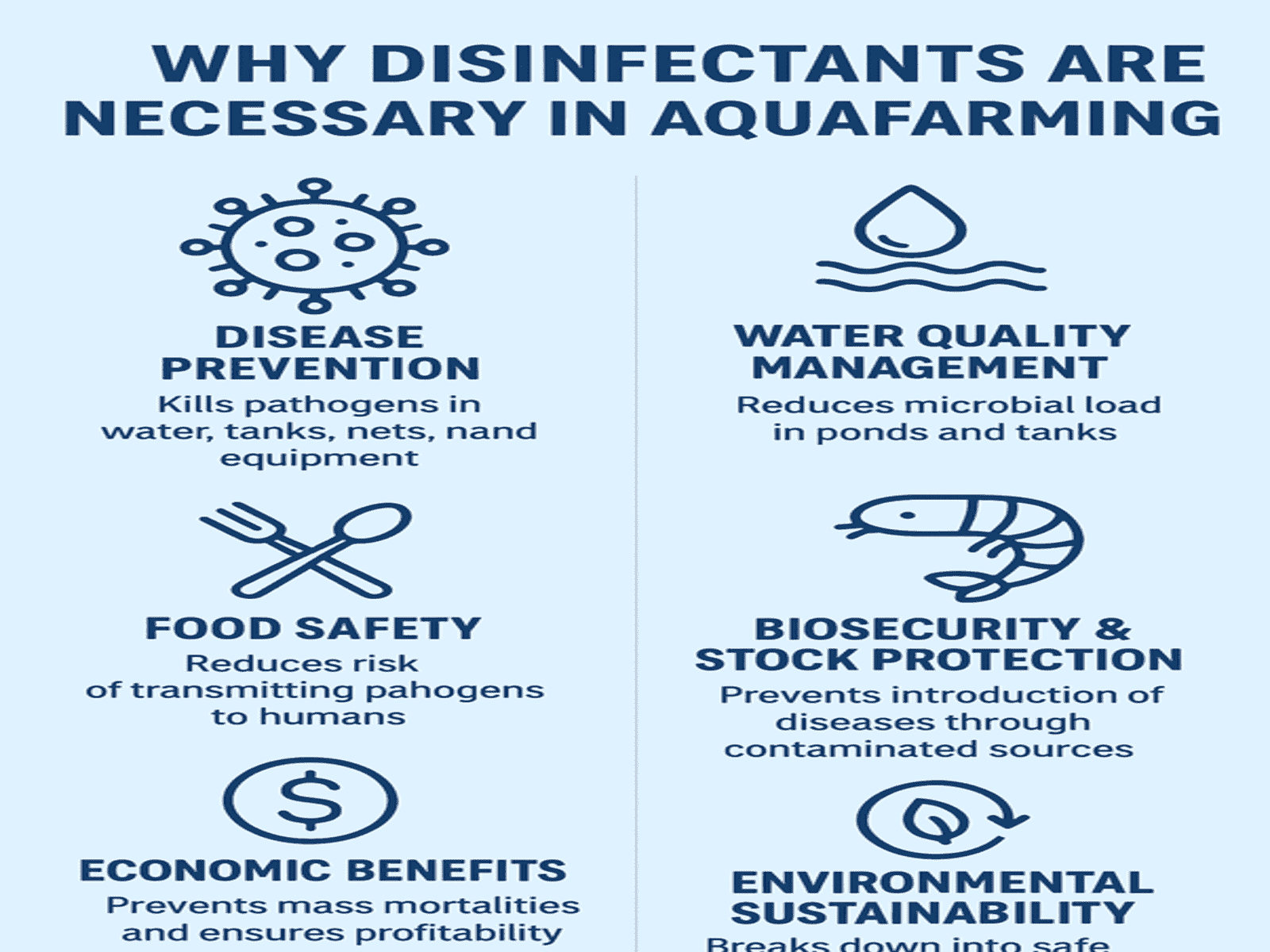
Why disinfectant is necessary for aquafarming
read more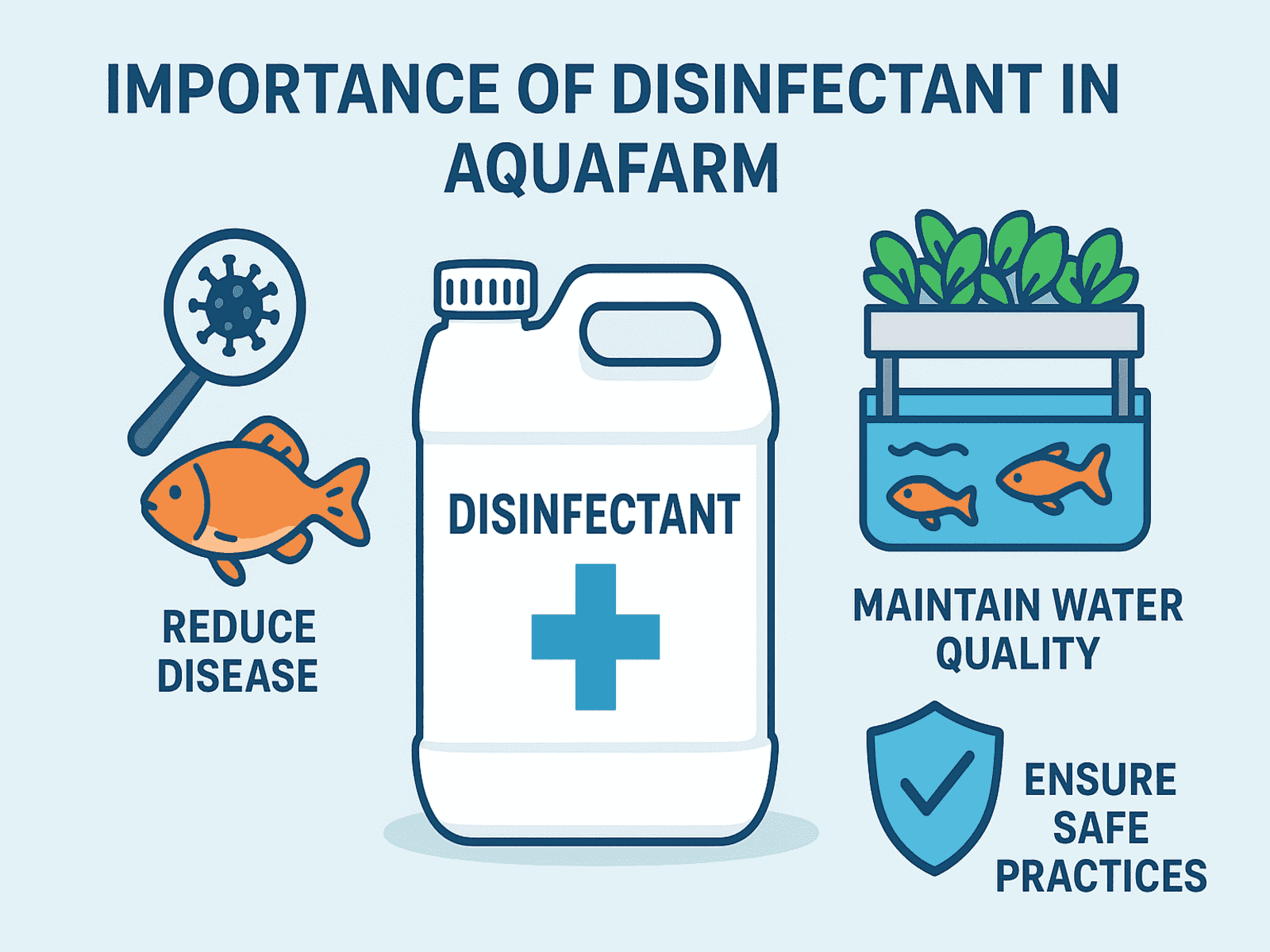
How profitability in aquafarming depends on the use of disinfectants
read more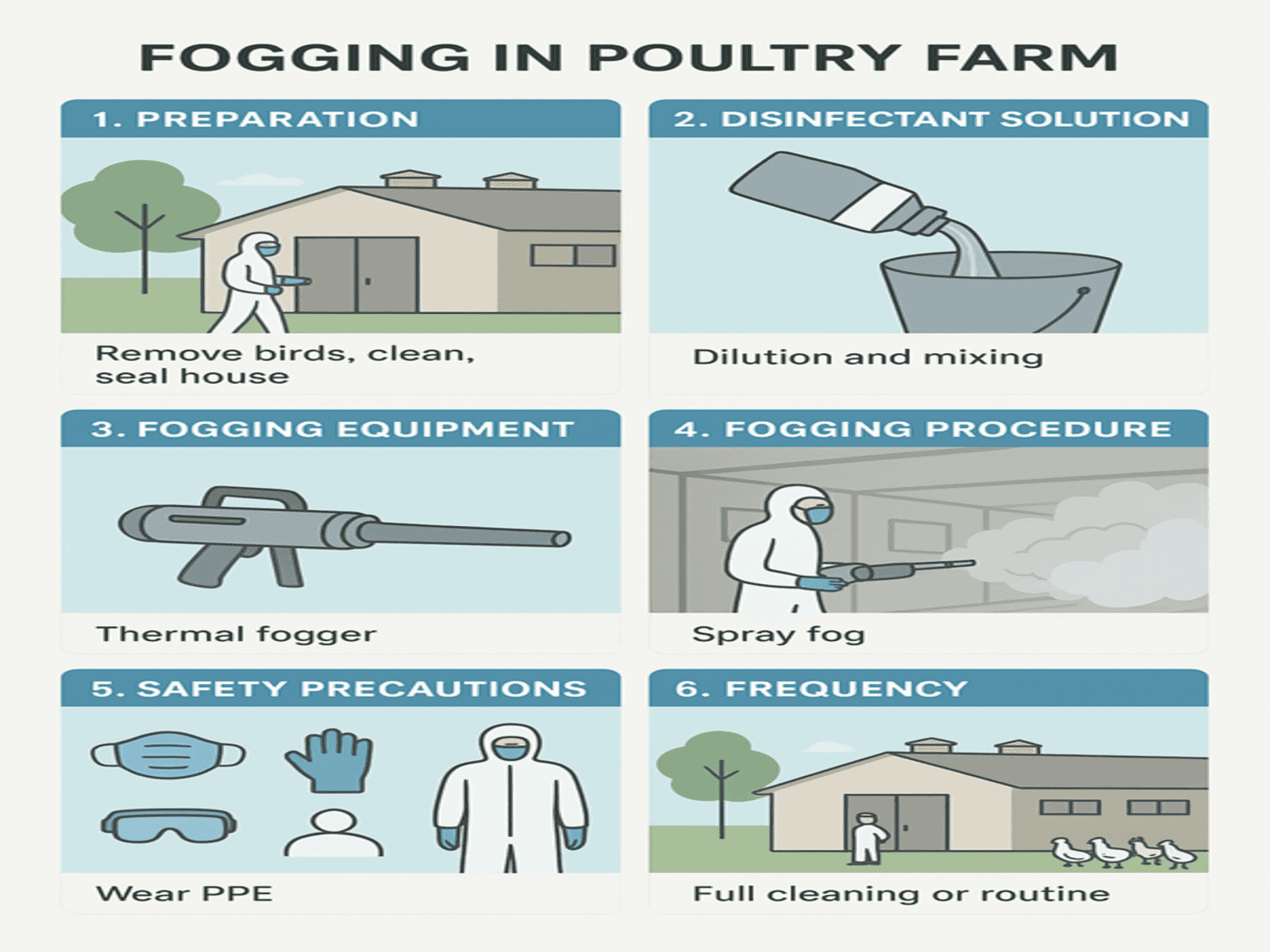
Bio Security in poultry farm—Fogging procedure of disinfectant
read more
Why Disinfectants Are Necessary in Poultry Farms
read more
Virucidal importance in disease control in AQUAFARMING
read more
Water Filter Screens in Hydroelectric Power Stations
read more