ETP Plants - Characteristics of Textile Sludge and Its Treatment
open
Did you know? 800,000 tonnes of textile waste have been discarded by Australians every year? A rate of 15 tonnes every 10 minutes.
Textile industries are regarded as large industrial consumers of water in addition to the major producers of wastewaters. Although the main purpose of tightening environmental standards is to treat wastewater before discharging it safely. But generally, various pollutants are concentrated during different wastewater treatment process steps (WTP) into the sludge (consisting of between one to two percent weight of dry solids). A semi-solid part obtained after the treatment of effluent in the effluent treatment plant (ETP) is known as sludge. It is an inevitable by-product of textile WTP. Sludge from Effluent Recycling Systems usually constitutes clusters of inorganic and organic complexes with high concentrations of chemicals, heavy metals obtained from dyestuff, bleaching, and other process residues. The low efficiency of spillage of chemicals and chemical operations causes a significant pollution hazard. Some generalized physiochemical characteristics of textile sludge are shown in table 1.Table 1: Typical physico-chemical characterization of textile sludge
|
Parameter |
Value |
| pH (1:5 suspension) | 6.46 |
| Electrical conductivity (250C) | 11.93 mS |
| Dry density | 1200-1500 kg/m3 |
| Specific gravity | 1.2-1.5 |
| Parameter | Unit (DM) | Category A | Category B# | Category C |
| Cd | mg/kg | ≤10 | 11-85 | >85 |
| As | mg/kg | ≤40 | 41-75 | >75 |
| Cu | mg/kg | ≤800 | 801-4300 | >4300 |
| Cr | mg/kg | ≤600** | <600 | >600 |
| Ni | mg/kg | ≤200 | 201-420 | >420 |
| Pb | mg/kg | ≤840** | <840 | >840 |
| Hg | mg/kg | ≤8 | 9-57 | >57 |
| Zn | mg/kg | ≤2500 | 2501-7500 | >7500 |
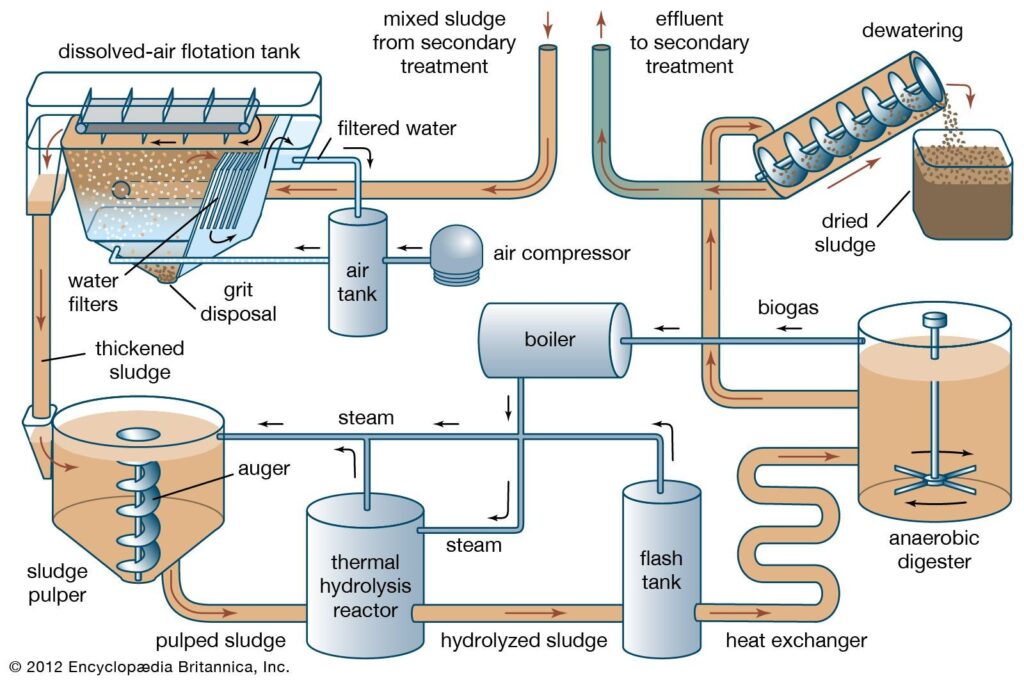
Figure 1:Textile sludge treatment and disposal
An important question arises in our minds how this sludge will be managed?
There are many options available for the management of textile sludge. It can be utilized for the preparation of brick, it can be mixed with cement, can be incinerated for the production of electricity. Moreover, it can be used for sanitary landfilling. Also, it can be used for the generation of biogas and can be used for composting too. As compared to traditional methods, the composting of textile sludge is a more efficient and effective method compared to any other traditional methods for disposal. However, composting is known to be aerobic biological degradation and stabilization of organic substrates under certain conditions that allow the development of thermophilic temperatures as a product of biologically produced heat, for obtaining a stable final product that is free of plant seeds and pathogens and its application can provide benefits to land. In addition to this the process of composting commits to reducing the production of waste products.ETP Plants Frequently Asked Questions
1) What are the characteristics of sludge?
Sludge is a foul, semisolid by-product of wastewater treatment's solid-liquid separation operations that resembles thick, squishy mud. Its composition is typically quite erratic, and it is frequently unmanageable.2) What is sludge ETP?
SLUDGE. Industrial waste water is treated in an ETP (Effluent Treatment Plant) so that it can be recycled or safely dumped into the environment. Untreated industrial waste water is a factor.3) What are the stages of sludge treatment?
4-Step Wastewater Sludge Treatment Process- Sludge Thickening
- Sludge Digestion
- Dewatering
- Disposal
4) What is ETP effluent treatment plant?
Most businesses in a variety of industries utilize effluent treatment plants (ETPs) to purify water and remove any toxic and non-toxic materials or chemicals from it so that it can be reused or released in the environment with less environmental harm.5) Why is sludge treatment important?
Sludge treatment's main goals are to minimize volume and stabilize organic components prior to final disposal. Stabilized sludge can be handled without endangering one's health or producing an unpleasant odour. Having less sludge results in lower pumping and storage costs.6) What is ETP in textile dyeing?
Effluent Treatment Plant or ETP. The dyeing house's effluent treatment facility is utilized to remove the colour and chemicals that are present in the water. Throughout the many stages of production, dye house water contains a number of compounds.7) Which chemical is used in ETP plant?
Liquid Poly Aluminium Chloride, also known as PAC, is a component of water treatment chemicals used for pulp and effluent treatment. Physical features of polyalkyl chloride. Al2O3 - 10% Min. pH - 3-5.Related Posts
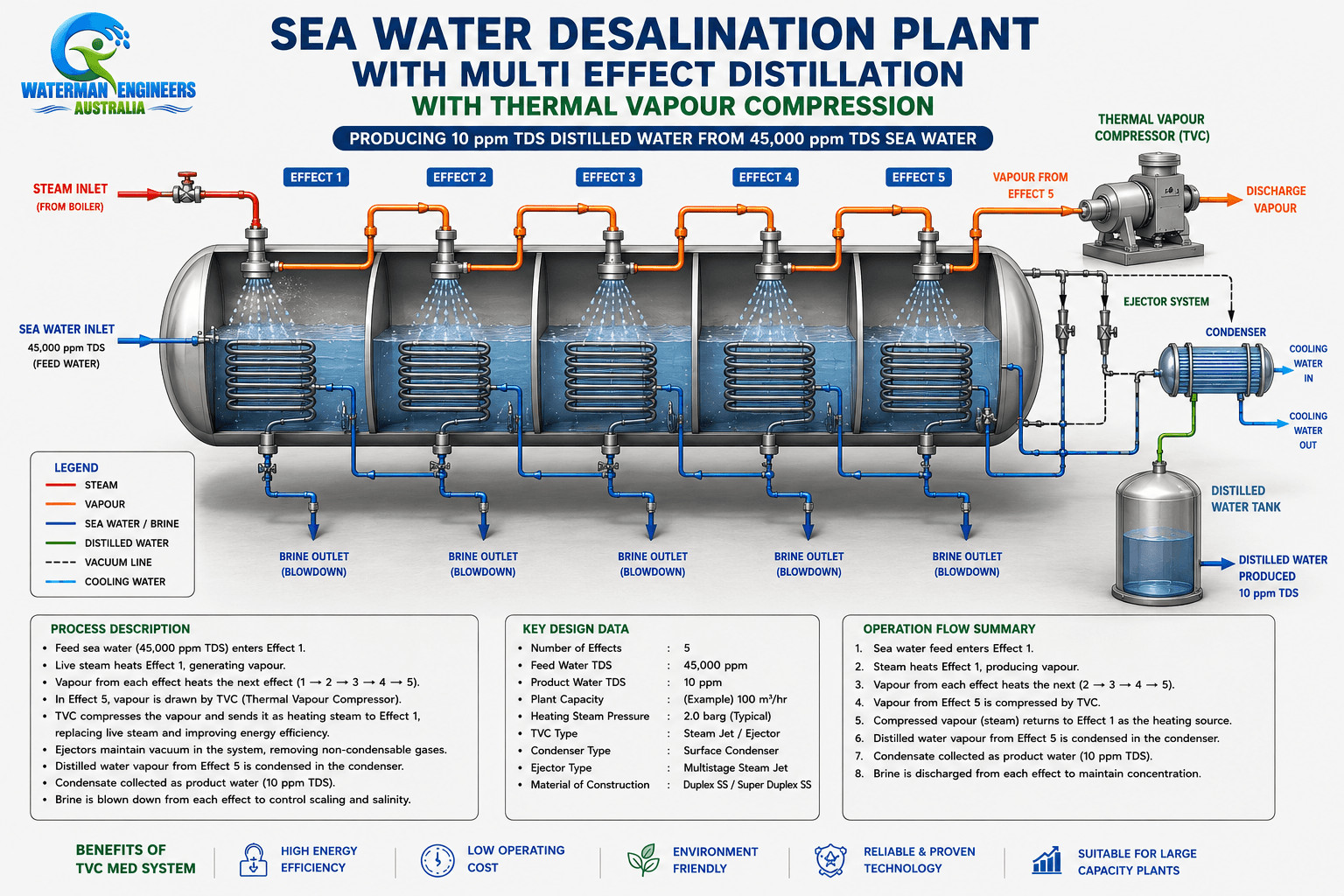
Sea Water Desalination Through Multi-Effect Distillation (MED) With Thermal Vapour Compression (TVC)
read more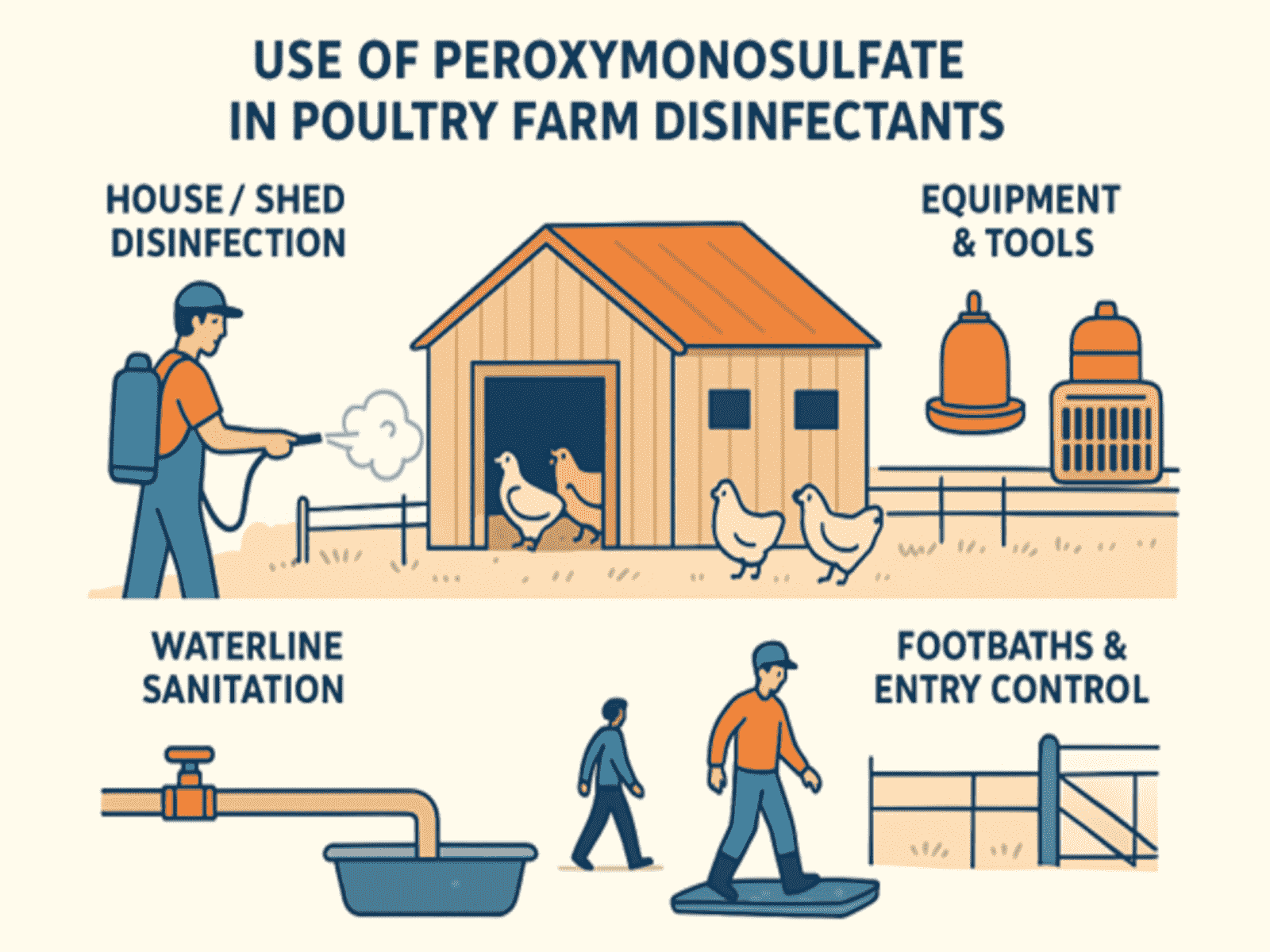
Disinfectant for Poutry Farm
read more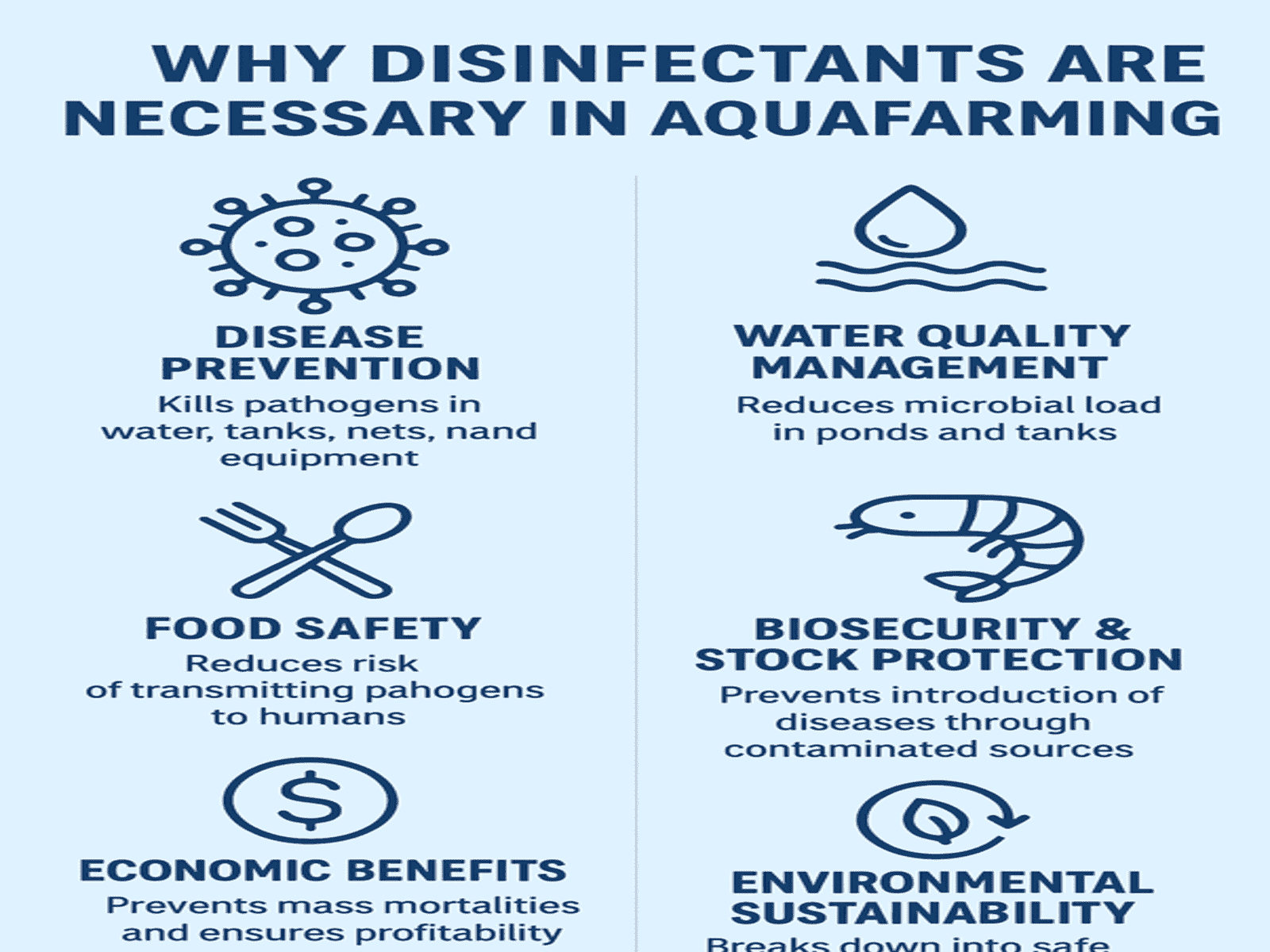
Why disinfectant is necessary for aquafarming
read more
How profitability in aquafarming depends on the use of disinfectants
read more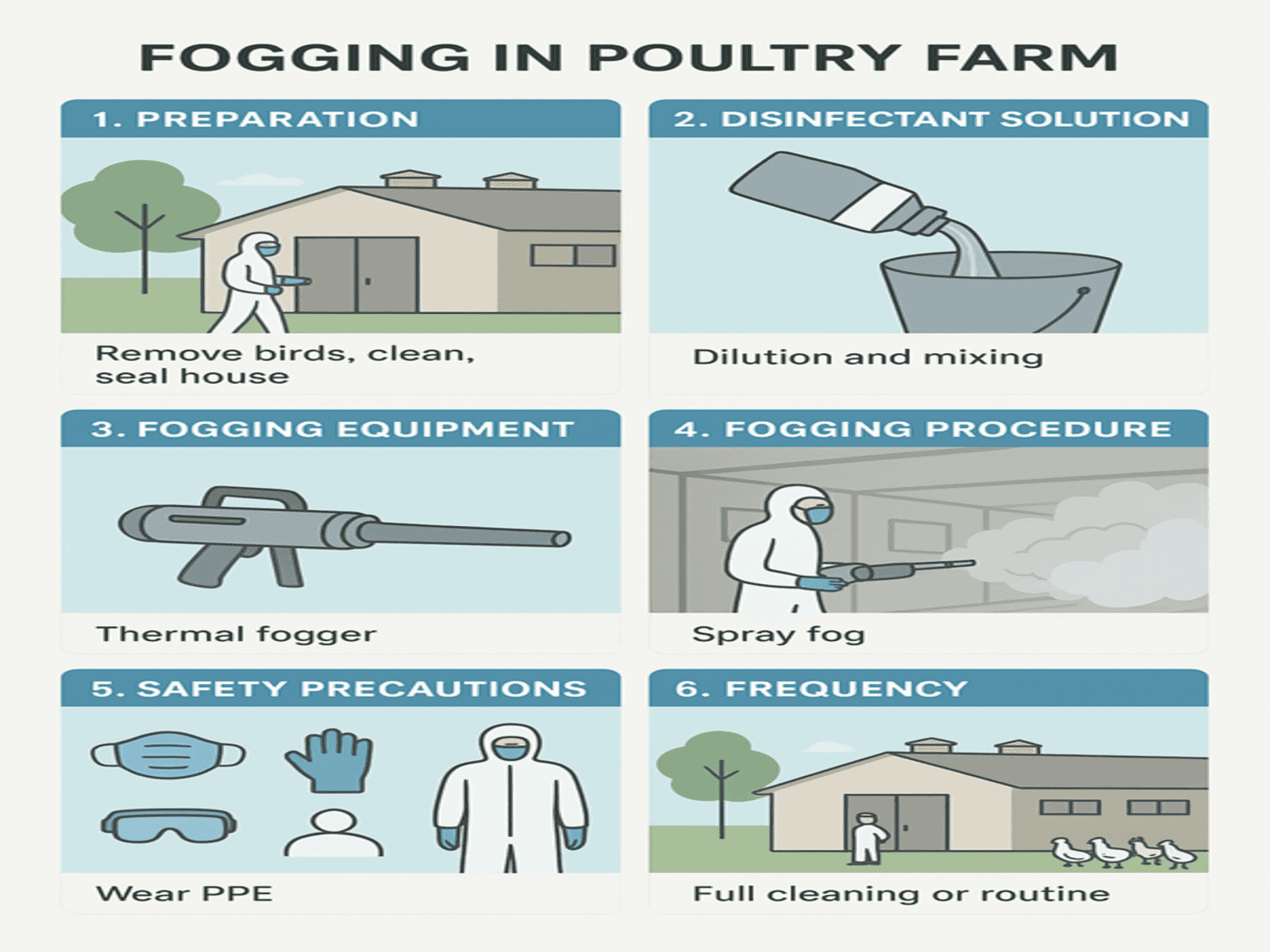
Bio Security in poultry farm—Fogging procedure of disinfectant
read more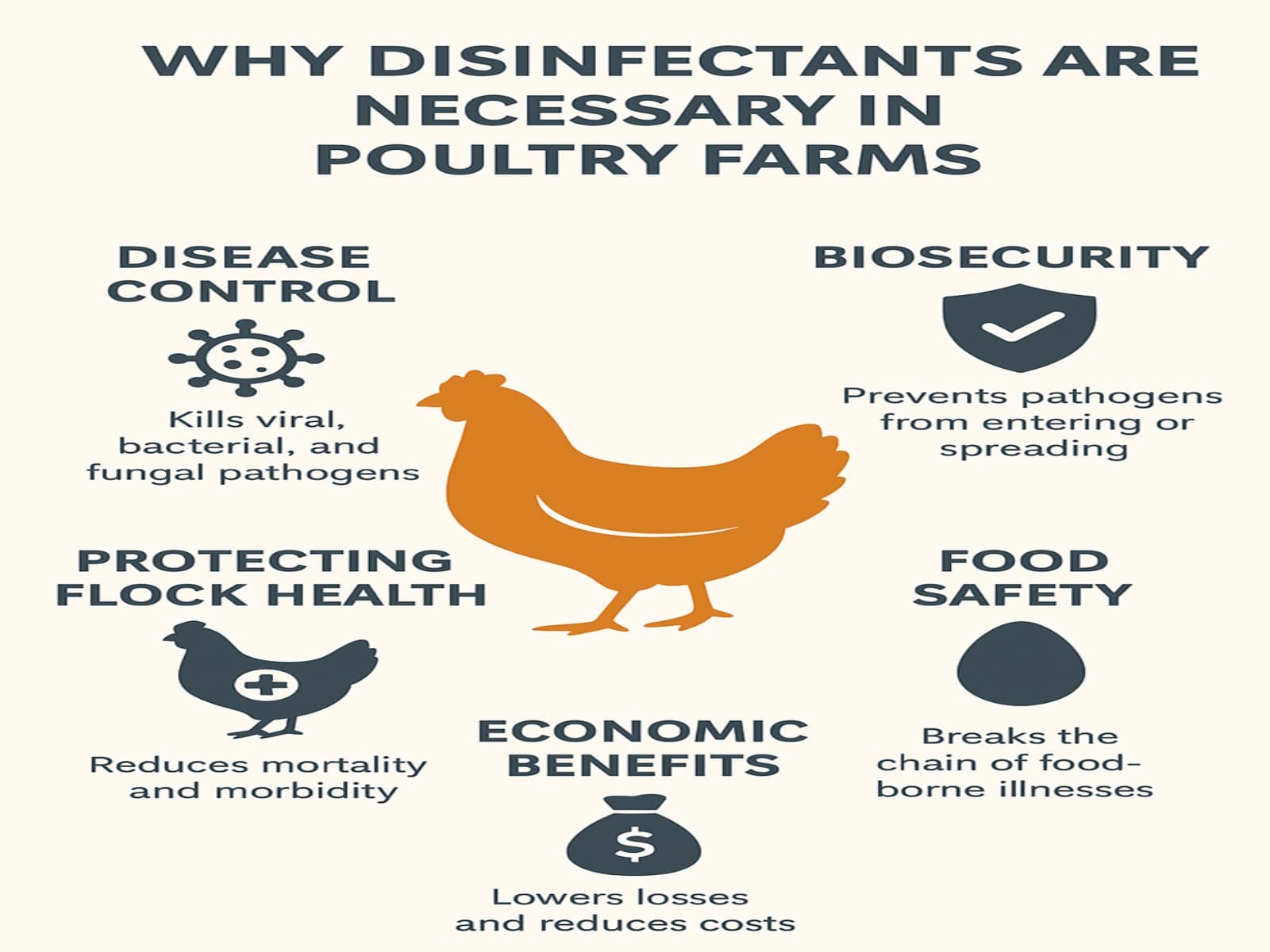
Why Disinfectants Are Necessary in Poultry Farms
read more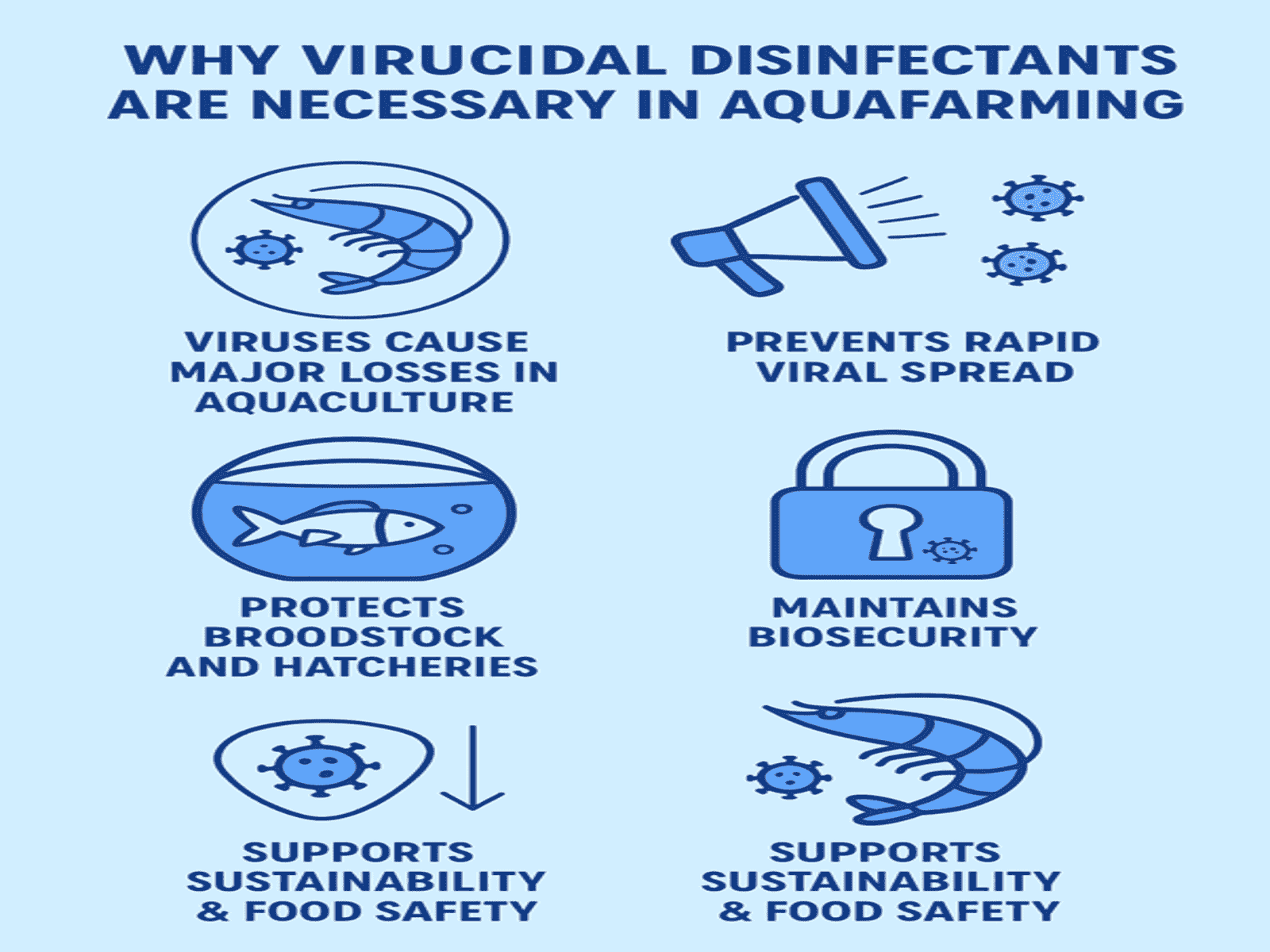
Virucidal importance in disease control in AQUAFARMING
read more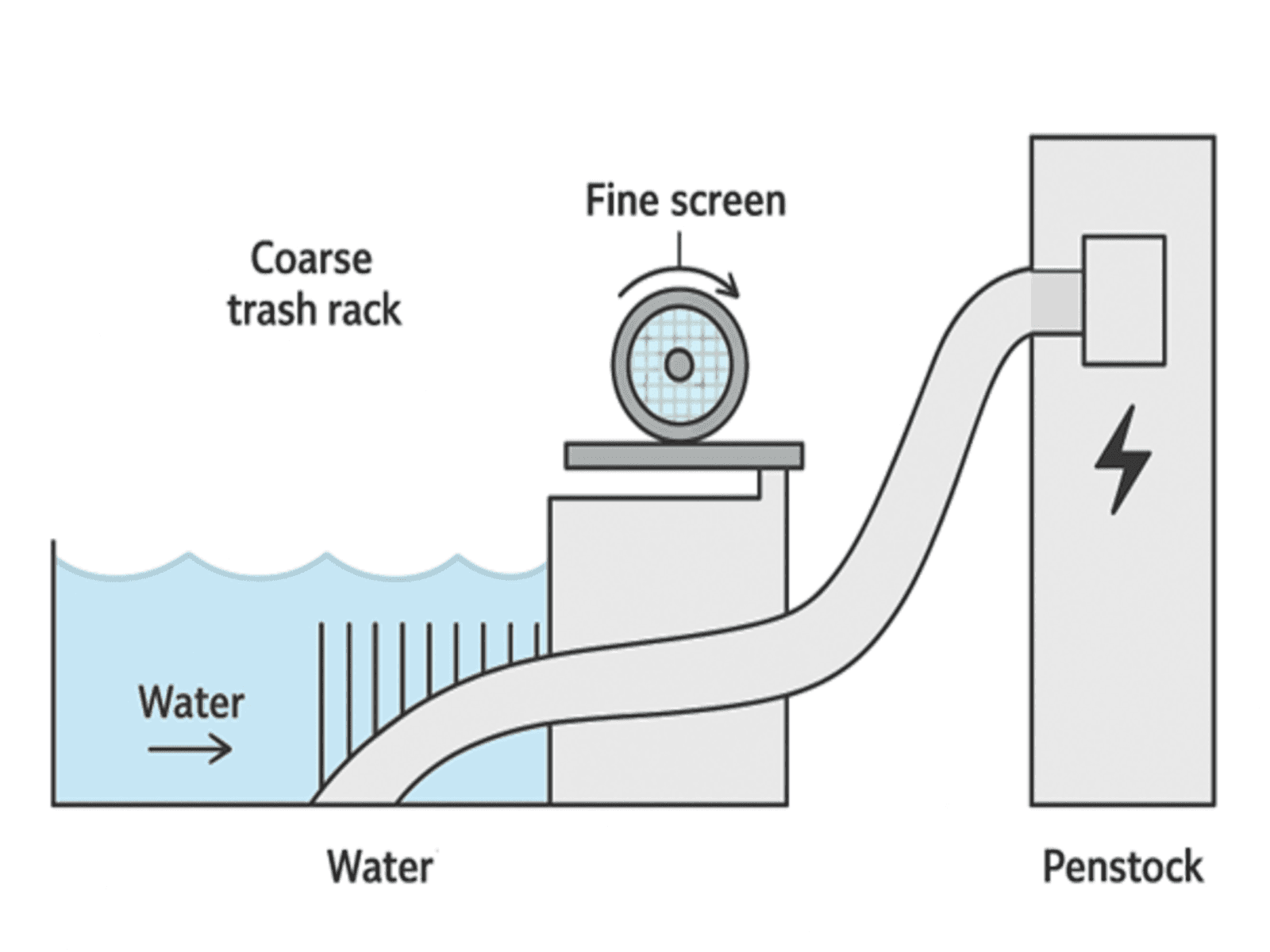
Water Filter Screens in Hydroelectric Power Stations
read more