Environmental, Social, and (Corporate) Governance ESG, Effluent treatment Practices to improve ESG profile
open
The pursuit of sustainability is altering our lifestyles. In recent years, environmental, social, and governance (ESG) issues have dominated many investment decisions. In addition to benefiting the environment and making society more equitable and inclusive, evidence shows that investment made with sustainable financial analysis actually provide superior returns to investors. Sustainable finance is the method of taking environmental, social, and governance issues under considerations while making investment decisions, leading to long-term investments in sustainable economic projects and programs. Its growth has been fuelled by investors' desire to have an impact on the environment and society in addition to the financial performance of their investments.
In recent years, businesses have raised their responsible investing considerably. The Environment, Social and Governance (ESG) metric is one of the instruments from this development. Investors who evaluate a company's style of doing business, as well as its influence on the environment and engaged people, use ESG ratings to grade it. These scores are based on factors in the environmental, social, and governance categories.
- Environmental
- Social
- Governance
- Reduce risk in terms of operations, regulations, and reputation
- Management of waste/pollution cost
- Reduction of effluent treatment carbon footprint
- Disclosure as part of Sustainability Reporting
- Contribution towards SDG Goal 6
Please contact us for ESG, SDG, GRI, TCFD consulting or report making on Email
Frequently Asked Questions
1) What are environmental, social, and governance ESG factors?
ESG stands for environmental, social, and governance. The phrase "environmental, social, and governance" (ESG) refers to a company's corporate financial interests, which primarily centre on ethical and sustainable outcomes. ESG is a tool used by capital markets to assess businesses and forecast their financial success.2) How can ESG governance be improved?
How to Improve Your Corporate ESG Rating- Conduct an ESG readiness and resources assessment
- Complete a materiality assessment
- Engage key ESG ratings stakeholders
- Define your top ESG score priorities
- Determine budgets, headcount, and other resources
- Formalize ESG governance and develop policies
3) What is the main purpose of ESG?
ESG is a framework that aids stakeholders in understanding how a company handles opportunities and risks related to sustainability issues. ESG has developed from earlier movements that prioritized corporate generosity, pollution reduction, and issues of health and safety.4) Who is responsible for ESG in a company?
Company management is accountable for putting ESG into practice; regardless of how competent the board and subcommittees are at overseeing ESG.5) What are the components of ESG?
Environmental, Social, and Governance is the abbreviation for ESG. Investors are using these non-financial aspects more frequently as part of their analytical process to spot important dangers and expansion prospects.
Related Posts
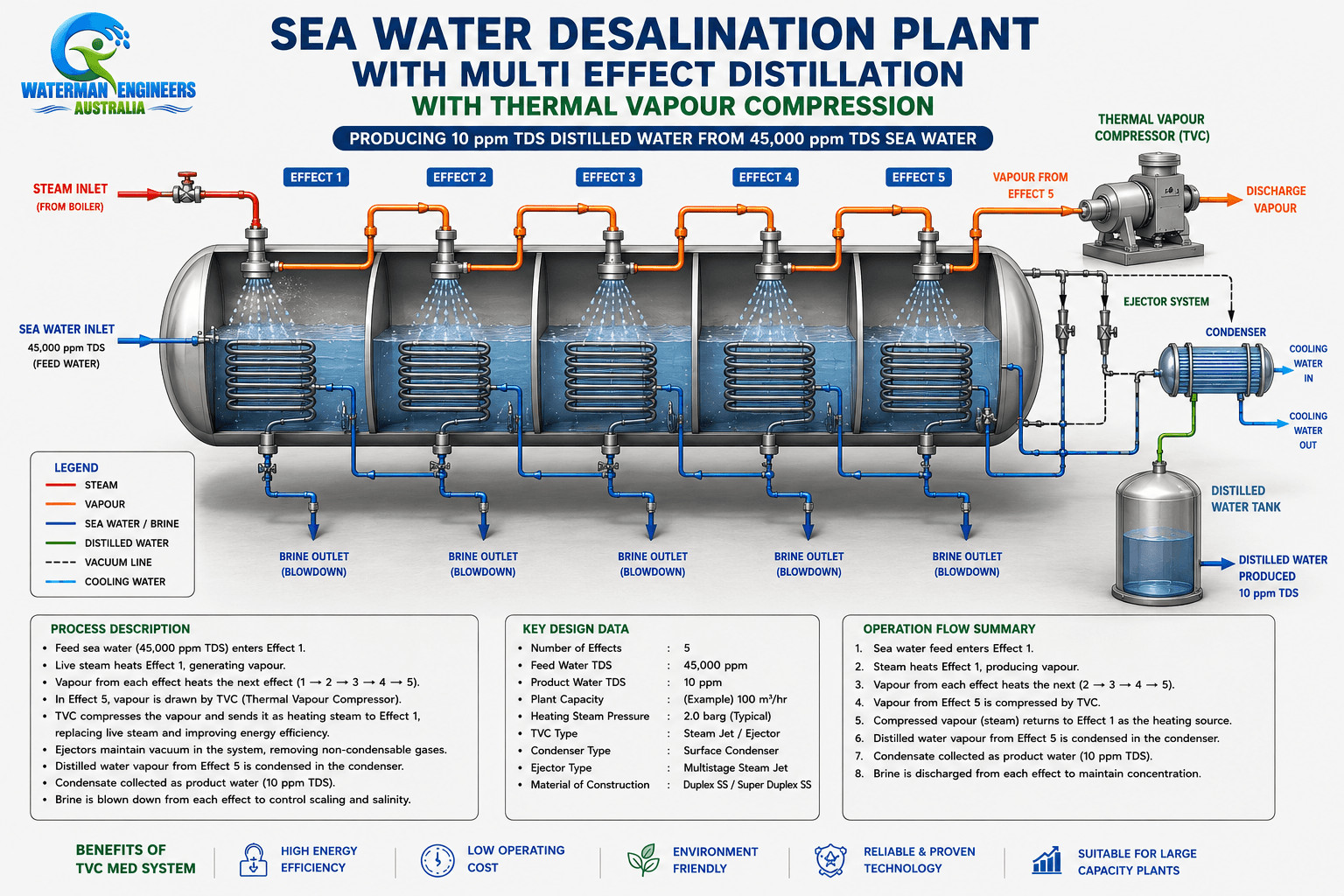
Sea Water Desalination Through Multi-Effect Distillation (MED) With Thermal Vapour Compression (TVC)
read more
Disinfectant for Poutry Farm
read more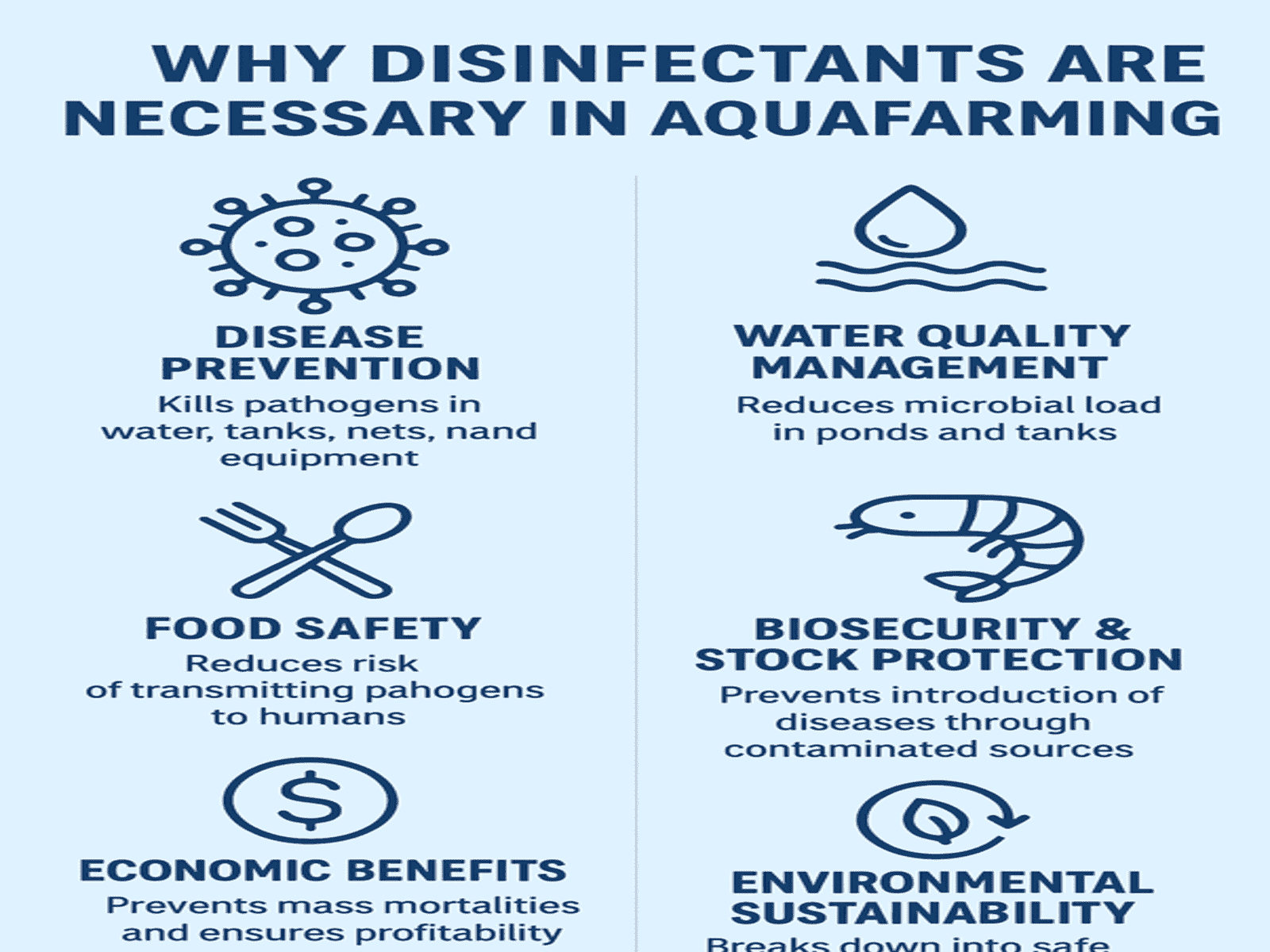
Why disinfectant is necessary for aquafarming
read more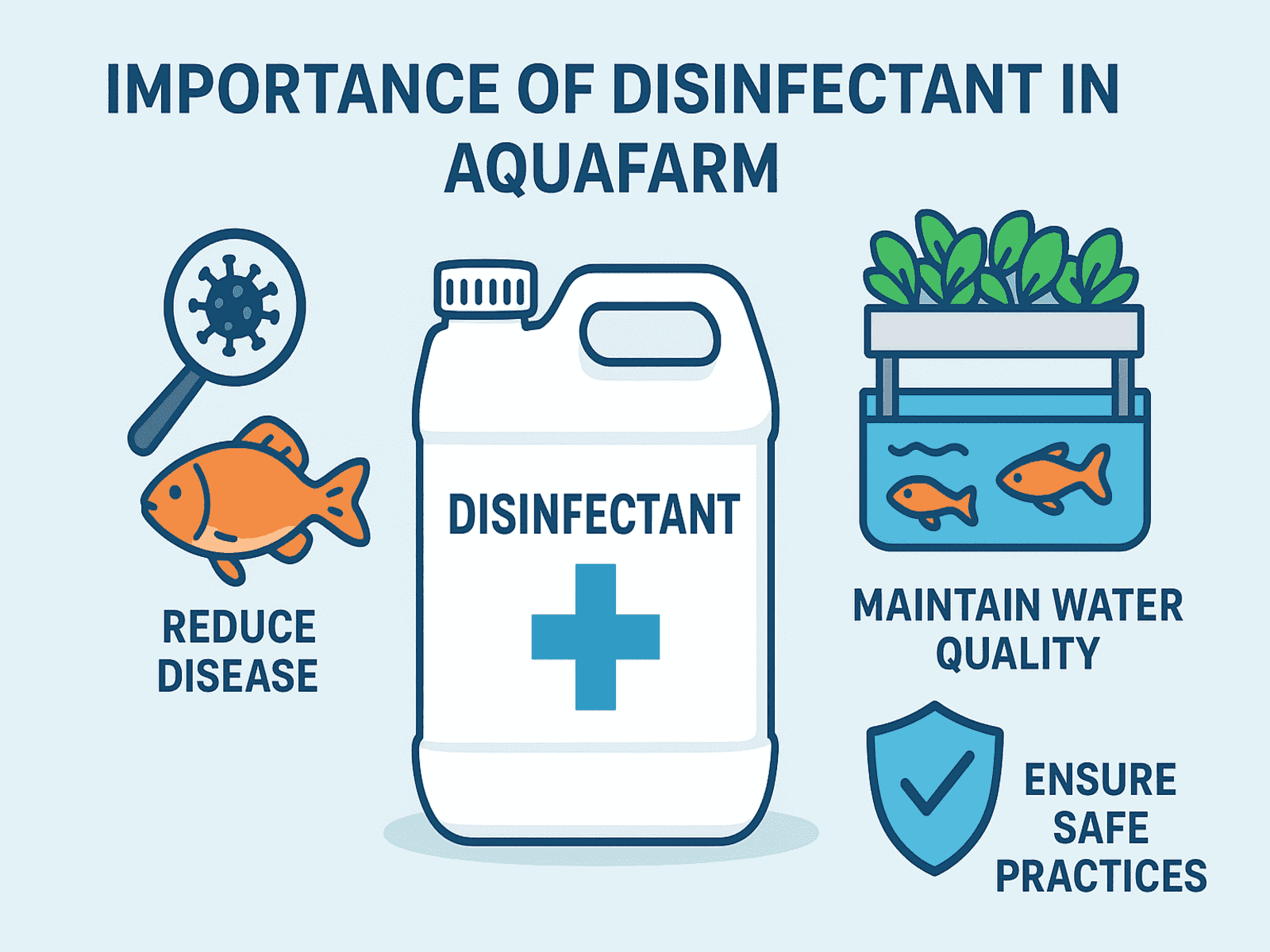
How profitability in aquafarming depends on the use of disinfectants
read more
Bio Security in poultry farm—Fogging procedure of disinfectant
read more
Why Disinfectants Are Necessary in Poultry Farms
read more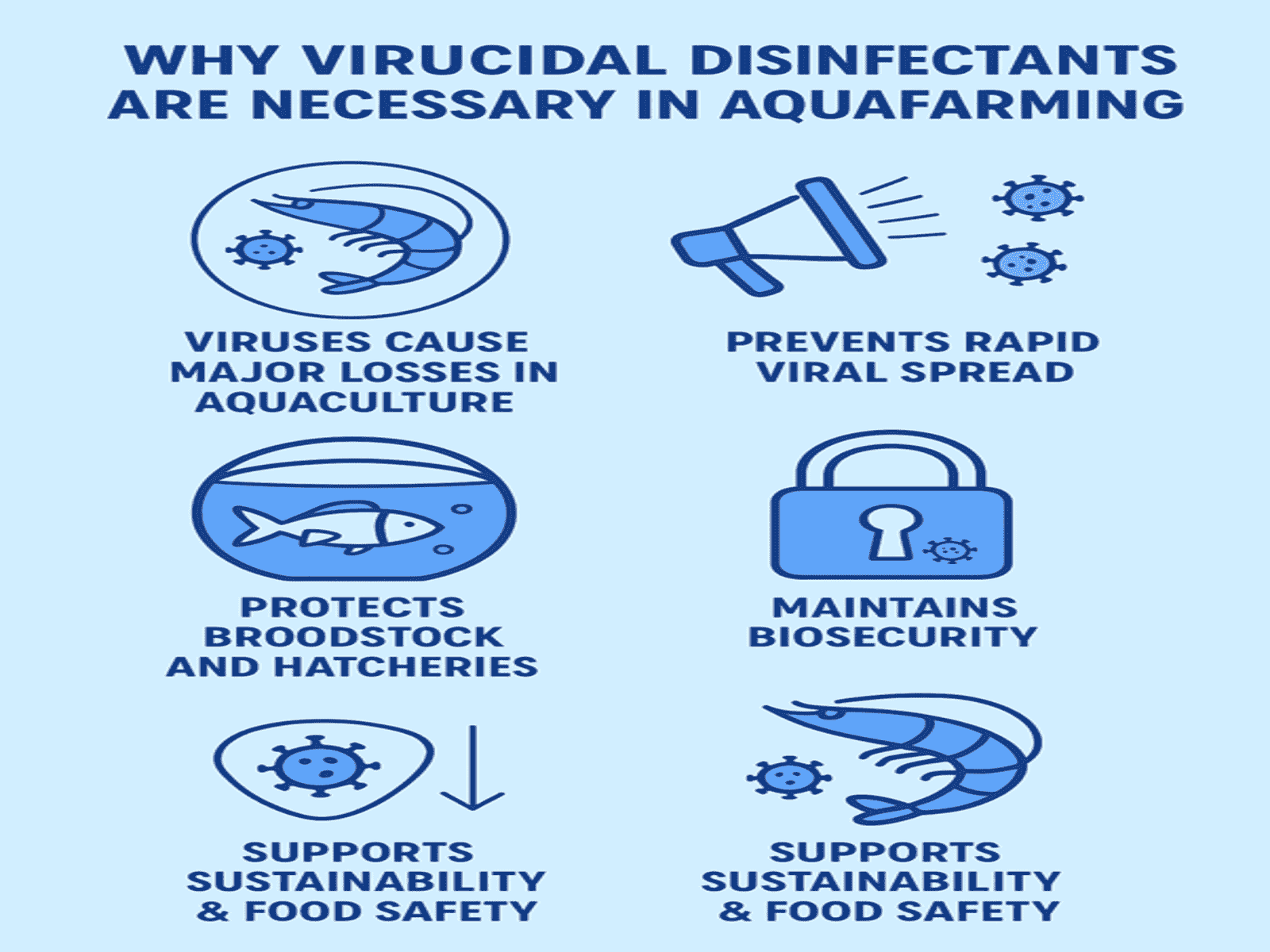
Virucidal importance in disease control in AQUAFARMING
read more
Water Filter Screens in Hydroelectric Power Stations
read more