Benefits of Smart Metering Systems in Municipal Water Distribution
admin
Introduction
Water is one of the most critical natural resources, and its sustainable management is essential for urban development and environmental conservation. As cities grow and climate variability intensifies, water utilities face increasing pressure to optimize distribution, reduce non-revenue water, and enhance customer service. In this context, smart metering systems offer transformative potential by integrating digital technology into water measurement and management. Smart water metering involves the use of advanced meters equipped with communication capabilities that automatically record water consumption data and transmit it to utilities in real time or at regular intervals. These systems enable utilities to monitor water usage patterns, detect anomalies, and engage consumers in more meaningful ways. This article explores the multifaceted benefits of smart metering in municipal water distribution across operational, economic, environmental, and social dimensions.1. Enhanced Accuracy and Real-Time Monitoring
a. Precision in Measurement Traditional water meters are often mechanical, and their accuracy can degrade over time due to wear and tear. In contrast, smart meters—especially ultrasonic and electromagnetic types—offer higher precision and maintain accuracy over longer periods. This ensures that all water usage is measured reliably, reducing disputes and billing errors. b. Real-Time Data Access Smart meters continuously collect consumption data and transmit it to centralized systems. This enables near real-time visibility into water consumption at individual and aggregate levels, allowing utilities to make timely decisions regarding supply management, pressure adjustments, and network performance.2. Reduction in Non-Revenue Water (NRW)
Non-revenue water—water that is produced but not billed due to leaks, theft, or metering inaccuracies—is a major challenge for many utilities. Smart metering helps tackle NRW in the following ways:
a. Leak Detection
By monitoring water flow patterns and identifying unusual spikes or continuous flows, smart meters can signal leaks either within households or in the broader network. Early detection minimizes water loss and reduces infrastructure damage.
b. Meter Tampering Alerts
Smart meters can detect and report signs of tampering or bypassing, helping utilities prevent unauthorized usage and recover lost revenues.
c. Improved Pressure Management
Real-time flow and pressure data allow utilities to optimize distribution pressures, which not only reduces leakage but also extends the life of infrastructure components.
3. Improved Billing and Revenue Collection
a. Automated Meter Reading (AMR)
Smart meters eliminate the need for manual reading, which is labor-intensive, error-prone, and costly. Automated Meter Reading ensures timely, accurate billing based on actual consumption, which enhances customer trust and utility cash flow.
b. Flexible Billing Options
With detailed consumption data, utilities can offer tiered or time-of-use billing structures that encourage conservation. Consumers may be incentivized to reduce usage during peak demand periods, helping balance supply and demand.
c. Prepaid Water Services
Smart meters support prepaid water models, enabling consumers to purchase water credits in advance. This is especially beneficial in low-income or rural areas, where payment flexibility can improve affordability and access.
4. Enhanced Customer Engagement and Transparency
a. Consumption Awareness
Consumers with access to their water usage data via mobile apps or web portals become more aware of their consumption patterns. This increased transparency promotes water conservation and helps identify unusual usage, such as leaks.
b. Dispute Resolution
Detailed consumption records and usage histories make it easier to resolve billing disputes. Smart meters can provide time-stamped data that shows exactly when water was used, reducing ambiguity.
c. Customized Alerts and Notifications
Utilities can send real-time alerts for high consumption, leak detection, or unusual usage. Customers are empowered to take immediate corrective actions, thereby avoiding large bills or water damage.
5. Operational Efficiency for Utilities
a. Workforce Optimization
By reducing the need for manual meter reading and on-site inspections, smart metering allows utilities to reallocate staff to higher-value tasks such as customer service, infrastructure maintenance, and strategic planning.
b. Integration with SCADA and GIS
Smart meters can feed data into Supervisory Control and Data Acquisition (SCADA) systems and Geographic Information Systems (GIS), enhancing the overall situational awareness and decision-making capabilities of utilities.
c. Demand Forecasting
Real-time and historical consumption data enable accurate modeling of water demand. Utilities can forecast short- and long-term needs more effectively, helping in resource planning and capital investment decisions.
6. Environmental Sustainability
a. Water Conservation
Smart metering enables both utilities and consumers to identify wasteful practices and improve efficiency. Reduced consumption leads to lower extraction from natural sources, preserving aquatic ecosystems and ensuring long-term sustainability.
b. Energy Savings
Water production, treatment, and distribution are energy-intensive processes. Reduced consumption through smart metering results in lower energy usage and greenhouse gas emissions, contributing to climate change mitigation.
c. Reduced Infrastructure Strain
By enabling proactive maintenance and pressure management, smart metering extends the life of pipes, valves, and treatment systems. This reduces the environmental impact associated with frequent repairs and replacements.
7. Support for Smart Cities and Digital Transformation
Smart water metering is a foundational component of smart city initiatives. It supports broader digital transformation goals, including:
a. IoT Integration
Smart meters are often part of a larger Internet of Things (IoT) ecosystem that includes sensors for water quality, pressure, and flow. Together, they create an intelligent network that can self-monitor and self-optimize.
b. Big Data and Analytics
The vast amount of data generated by smart meters can be analyzed for patterns, trends, and anomalies. Predictive analytics can forecast equipment failures, demand surges, or potential contamination events.
c. Interoperability
Smart metering systems can integrate with other municipal services such as energy, waste, and transportation, enabling holistic resource management and enhancing urban resilience.
8. Equitable and Inclusive Service Delivery
a. Targeted Subsidies
Smart meters provide granular consumption data that can be used to design and implement targeted subsidies for low-income households, ensuring equitable access to water.
b. Service Accountability
Accurate metering improves accountability and transparency in service delivery. Citizens are better informed about what they are paying for, which enhances trust in municipal governance.
c. Empowerment of Marginalized Groups
With mobile-based interfaces and prepaid models, smart metering can empower women and marginalized communities by giving them control over household water management.
9. Resilience in Crisis Situations
a. Drought Management
During droughts, smart metering enables utilities to enforce restrictions more precisely and monitor compliance in real time. It also helps prioritize water supply to essential services.
b. Emergency Leak Response
Smart meters can pinpoint leak locations rapidly, enabling quicker emergency response and minimizing service disruptions during disasters such as earthquakes or floods.
c. Pandemic Preparedness
During the COVID-19 pandemic, many utilities struggled with in-person meter reading. Smart meters offered a contactless, remote solution that maintained operations while ensuring worker safety.
10. Economic Development and Innovation
a. Local Industry Stimulation
The implementation of smart metering systems often involves local contractors, software developers, and hardware suppliers. This creates jobs and fosters innovation within the local economy.
b. Public-Private Partnerships
Smart metering projects frequently involve partnerships between municipalities, technology providers, and financiers. These collaborations can bring investment and technical expertise to water infrastructure.
c. Data-Driven Policy Making
With access to high-quality data, municipal leaders can make informed decisions on water pricing, conservation incentives, and infrastructure investments, leading to more sustainable economic development.
Challenges and Considerations
While the benefits are compelling, the implementation of smart metering systems is not without challenges:
- Upfront Costs: Smart meters and communication infrastructure can be expensive. However, the return on investment is generally favorable when long-term savings are considered.
- Data Privacy and Security: The transmission of consumption data must be secured against cyber threats and misuse.
- Technical Complexity: Integrating smart metering with legacy systems requires careful planning and skilled personnel.
- Consumer Acceptance: Public education is essential to build trust and encourage responsible usage.
Despite these challenges, many cities around the world are successfully deploying smart metering solutions and realizing significant benefits.
Case Studies
a. Singapore
Singapore’s national water agency, PUB, is implementing a Smart Water Meter Programme aimed at installing 300,000 smart meters. The initiative is expected to reduce water consumption by up to 5% and help detect household leaks early.
b. London, UK
Thames Water, serving over 9 million people, has installed more than 1 million smart water meters. The utility has significantly improved its ability to identify and repair leaks, thereby reducing water losses and customer complaints.
c. Cape Town, South Africa
In response to the 2017 water crisis, Cape Town installed smart meters and flow restrictors in high-consumption households. This contributed to a substantial drop in water usage and delayed the need for expensive desalination projects.
Future Outlook
The future of municipal water distribution lies in digitization, decentralization, and customer-centric services. Smart metering is a key enabler of this transformation. As technology evolves, smart meters will become even more affordable, accurate, and integrated with artificial intelligence and machine learning systems. These advancements will unlock further efficiencies, from autonomous leak repair to real-time demand-responsive pricing.
Municipalities that invest in smart metering today are positioning themselves as leaders in water sustainability, operational excellence, and civic innovation.
Conclusion
Smart metering systems are revolutionizing how municipalities manage water distribution. By delivering accurate, real-time consumption data, they help utilities reduce losses, enhance billing accuracy, engage consumers, and promote sustainability. While challenges exist, the long-term benefits—economic, environmental, and social—far outweigh the initial hurdles.
For municipal leaders, engineers, and policymakers, embracing smart metering is not just a technological upgrade—it is a strategic move toward a more resilient, efficient, and equitable water future.
Related Posts
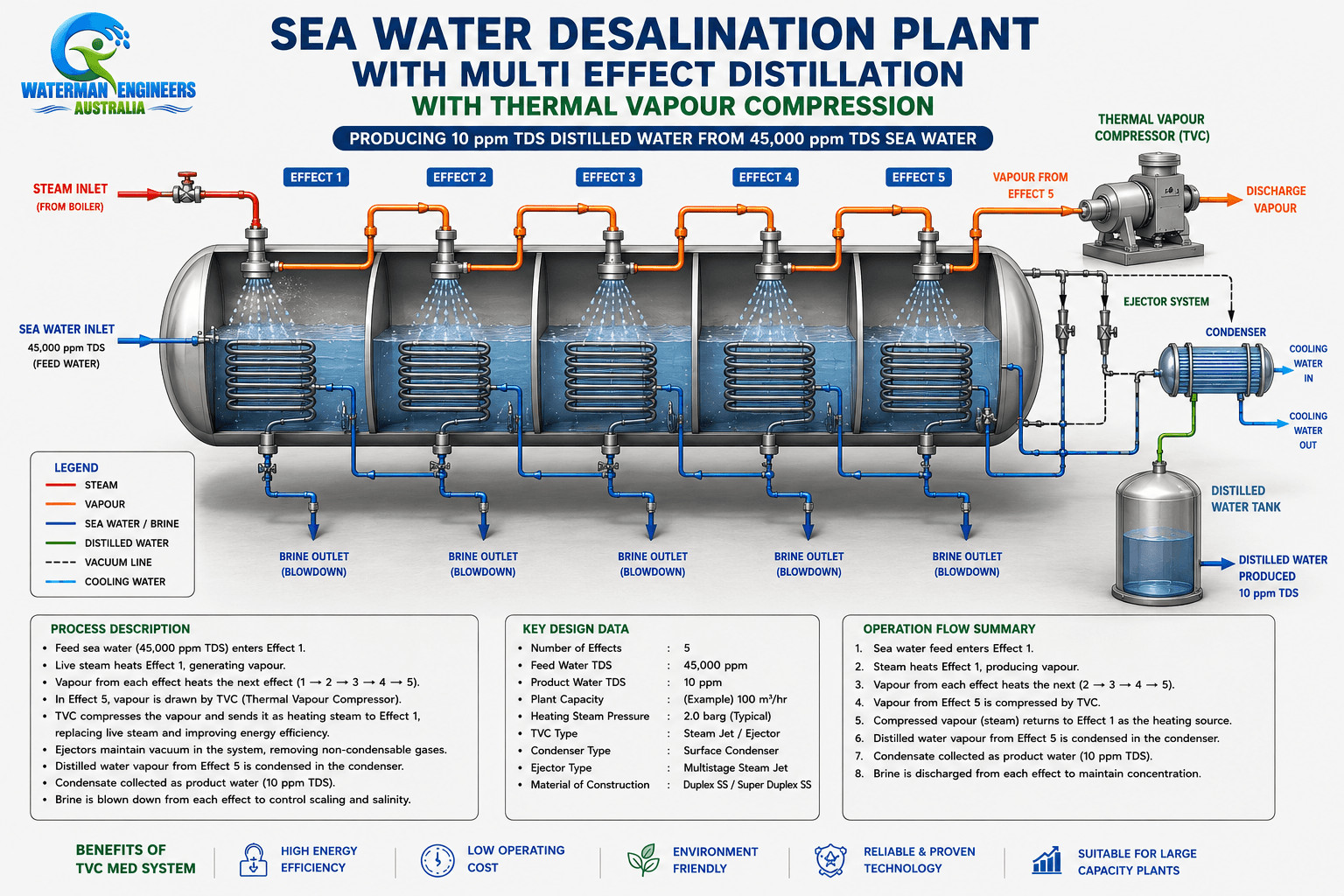
Sea Water Desalination Through Multi-Effect Distillation (MED) With Thermal Vapour Compression (TVC)
read more
Disinfectant for Poutry Farm
read more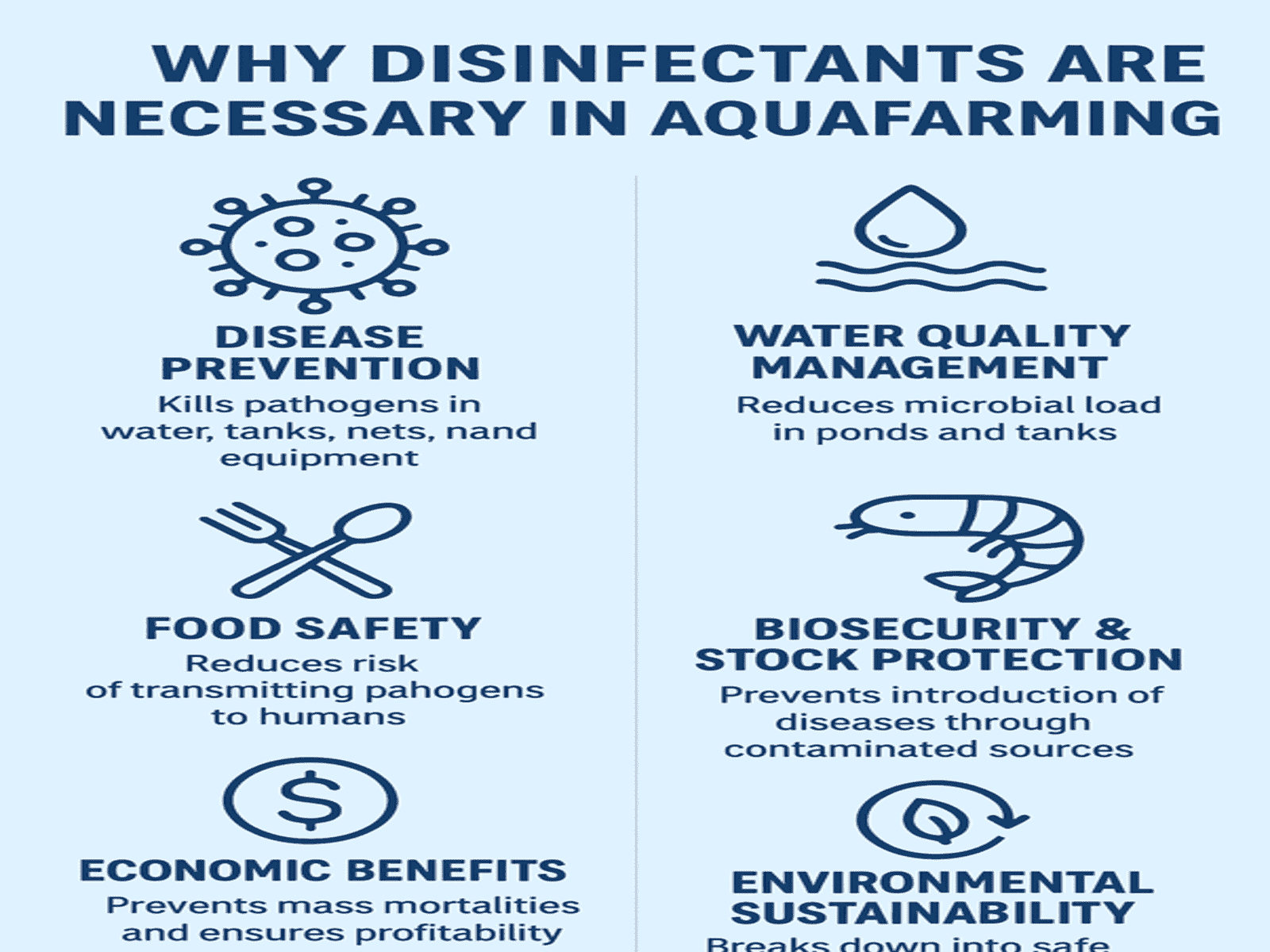
Why disinfectant is necessary for aquafarming
read more
How profitability in aquafarming depends on the use of disinfectants
read more
Bio Security in poultry farm—Fogging procedure of disinfectant
read more
Why Disinfectants Are Necessary in Poultry Farms
read more
Virucidal importance in disease control in AQUAFARMING
read more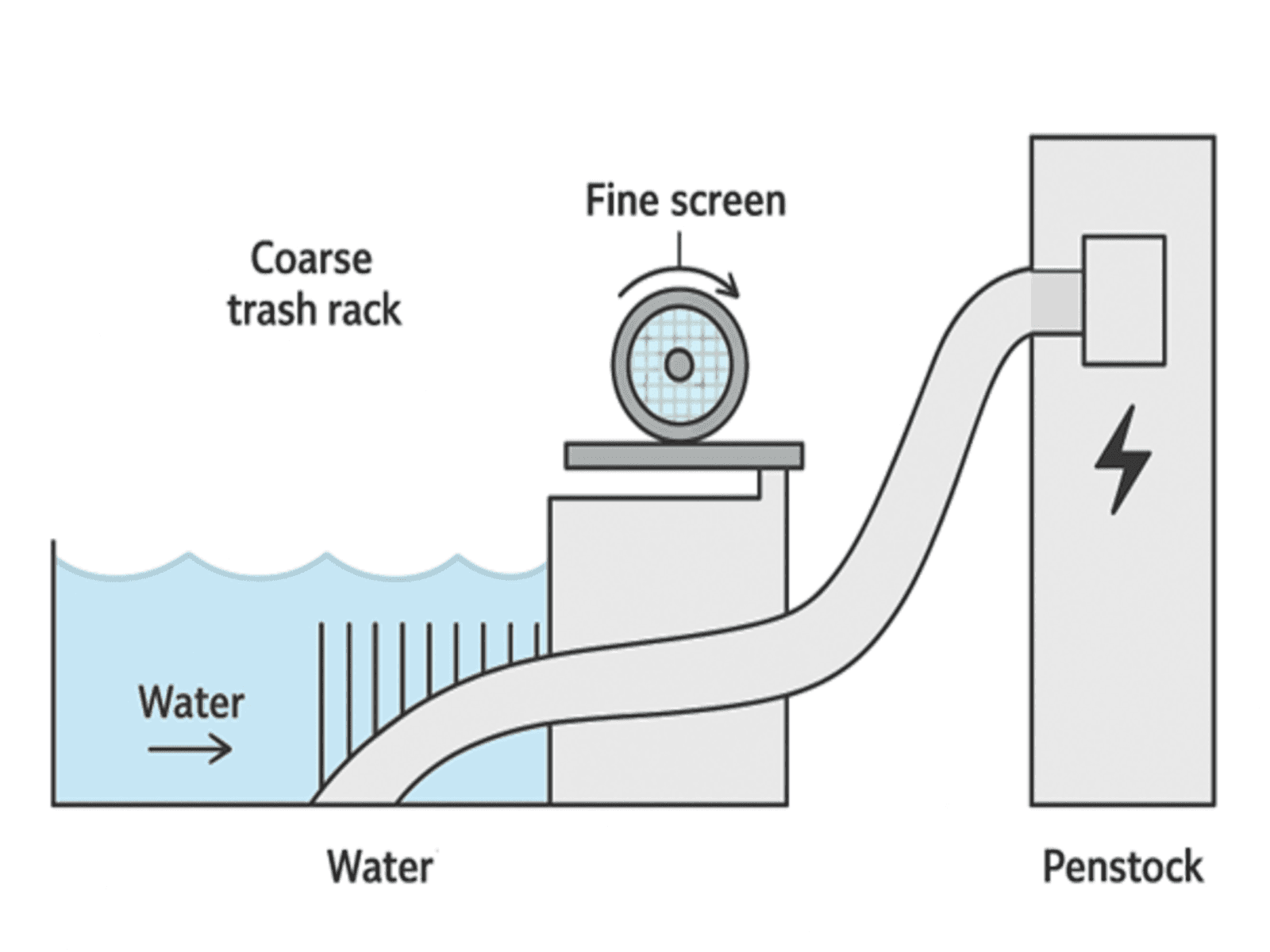
Water Filter Screens in Hydroelectric Power Stations
read more